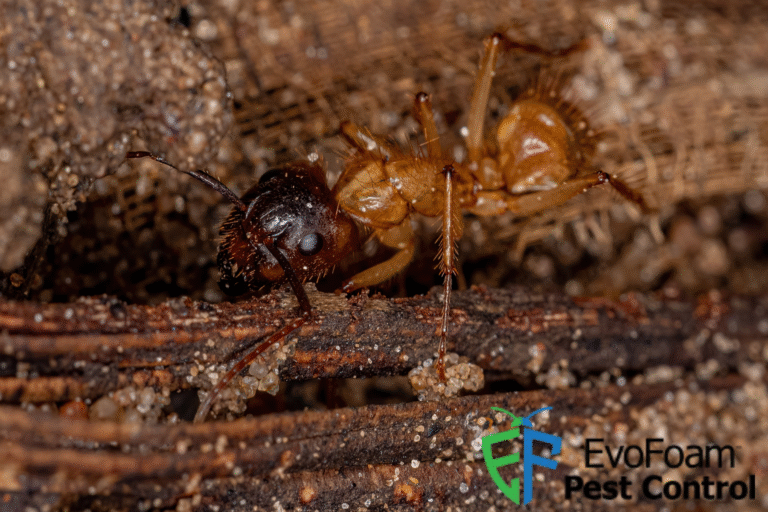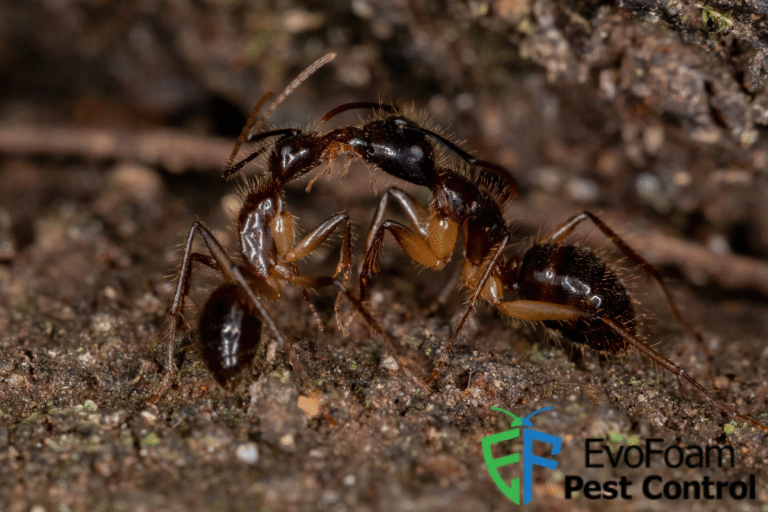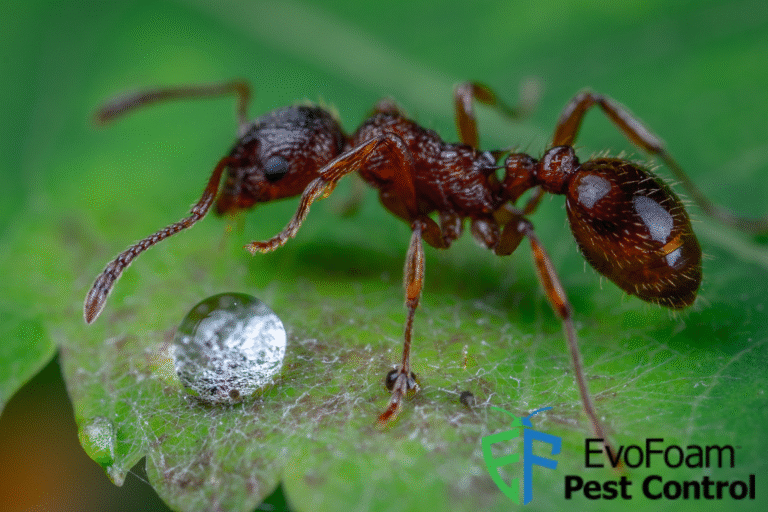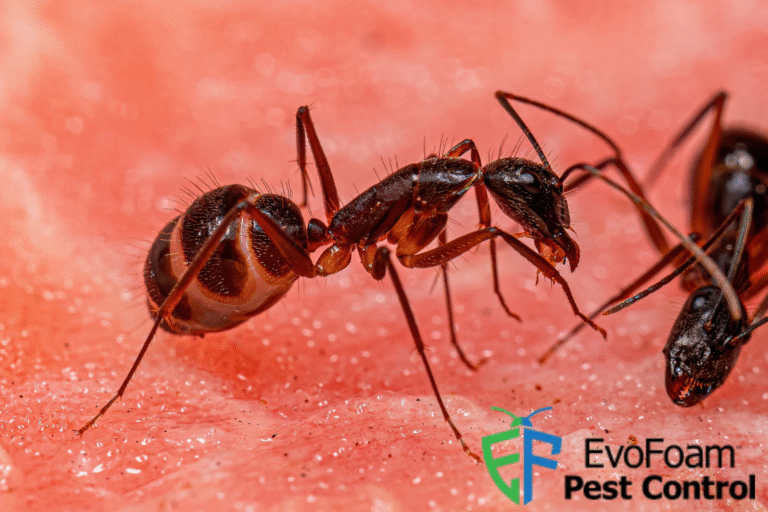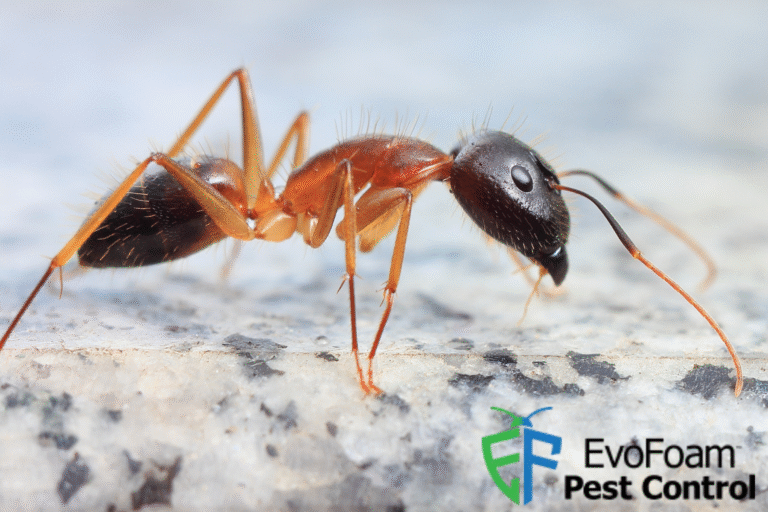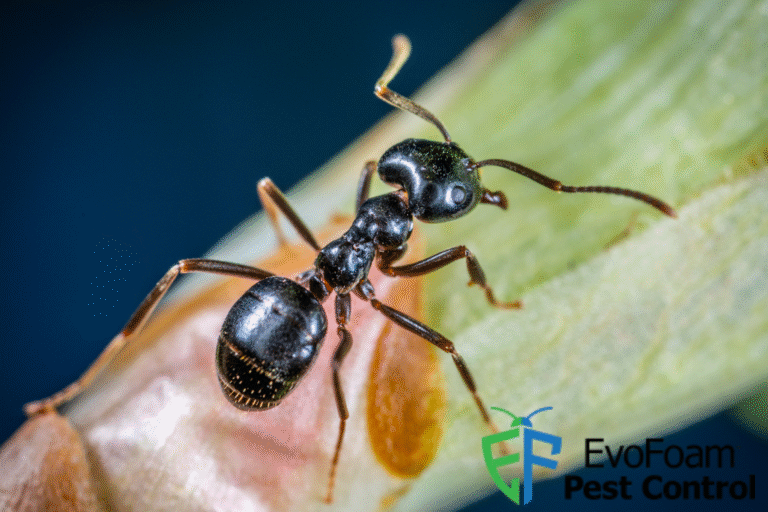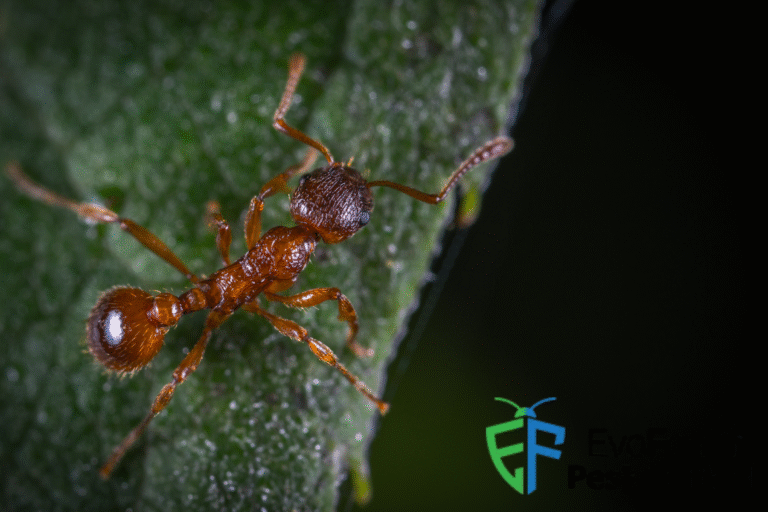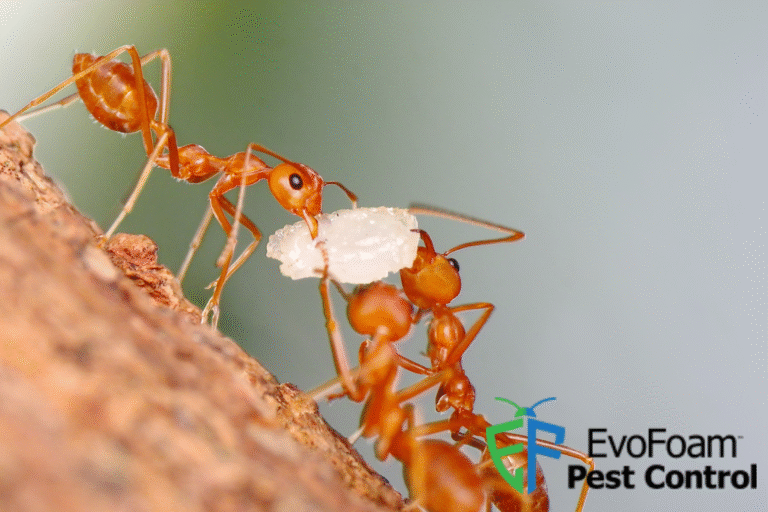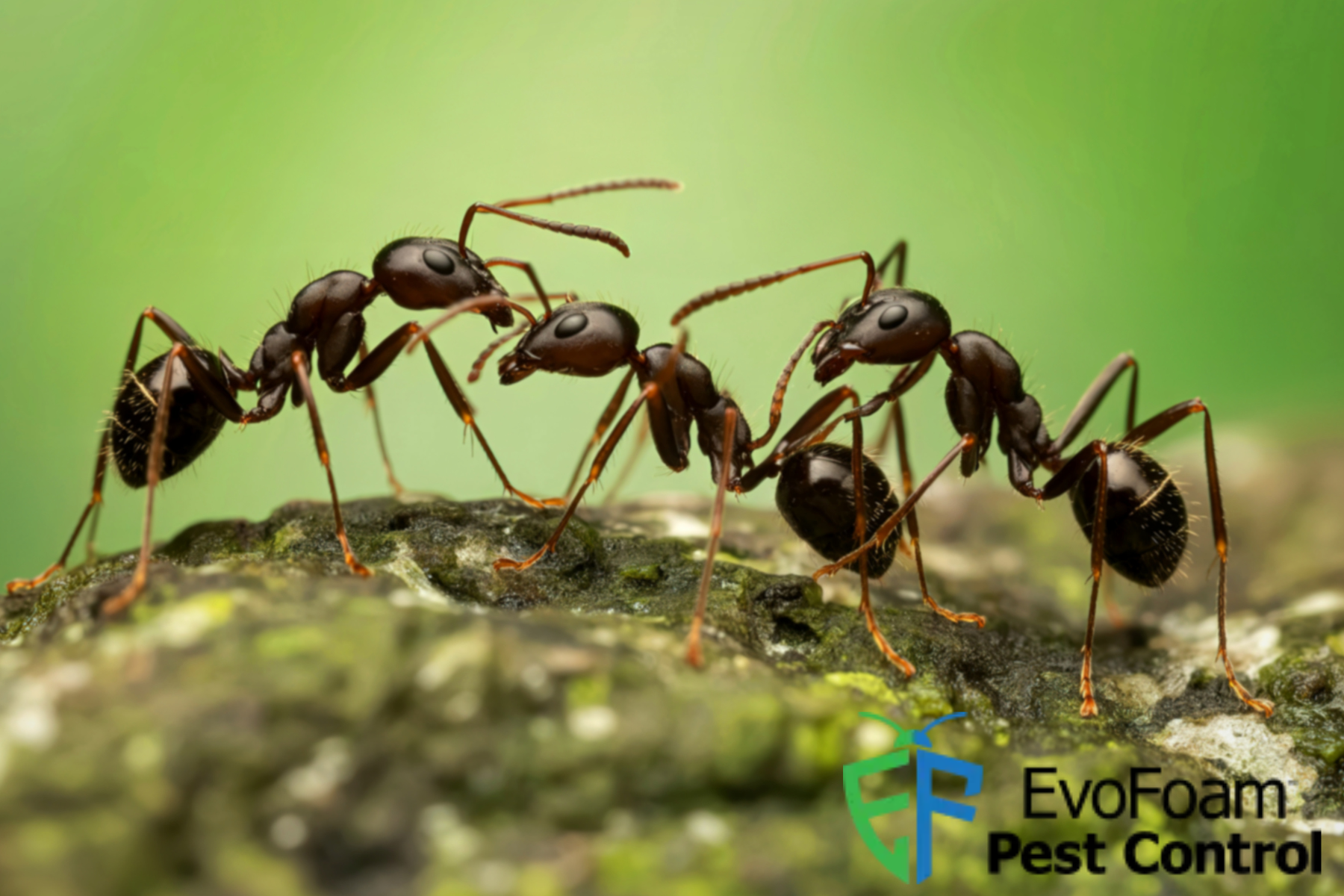
Seeing a trail of black ants in your kitchen or bathroom can be both frustrating and concerning. While they may seem harmless at first glance, persistent infestations can become a real nuisance. Understanding why black ants in house show up in the first place and how to keep them out for good is the key to effective prevention.
Whether you’re dealing with a current ant problem or simply want to protect your home, these expert tips will help you stay one step ahead of an infestation.
What Attracts Black Ants to Your Home?
Black ants, particularly common species like the odorous house ant, are drawn to homes for two main reasons: food and shelter. These ants are highly efficient foragers and can detect food especially sugary substances from long distances. Once one ant finds a food source, it leaves a trail of pheromones, attracting the rest of the colony.
Common attractants include:
- Crumbs and food spills on counters and floors
- Pet food left out in bowls
- Leaky faucets and moisture-prone areas
- Unsealed food containers
- Accessible entry points like cracks or gaps in doors and windows
Identifying what’s drawing ants inside is the first step to keeping them out permanently.
Are Black Ants Dangerous?
In most cases, black ants are more annoying than harmful. However, it’s still important to address them. Some species of black ants can contaminate food, bite when threatened, or cause damage by nesting in insulation or wall voids.
You might wonder, do black ants bite? While most black ants are not aggressive and rarely bite humans, they can defend themselves if disturbed. Fortunately, their bites are generally harmless and don’t pose serious health risks.
How to Keep Black Ants Out of Your Home: Expert Tips
1. Eliminate Food Sources
Ants are opportunistic feeders. The less accessible food is in your home, the less attractive it becomes to a scouting ant.
- Wipe down countertops and sweep floors regularly.
- Store food in airtight containers.
- Keep fruit in the fridge instead of on counters.
- Clean out the pantry and dispose of expired or unsealed items.
- Immediately clean up food or drink spills.
2. Manage Moisture
Ants also seek water sources. Bathrooms, kitchens, laundry rooms, and basements are common hotspots.
- Repair leaky pipes and dripping faucets.
- Use dehumidifiers in damp areas.
- Make sure sinks and bathtubs are dry after use.
- Ensure proper ventilation in high-moisture rooms.
3. Seal Entry Points
Ants are tiny and can slip through the smallest openings. Conduct a thorough inspection of your home’s exterior and interior for access points.
- Seal cracks in walls, baseboards, and foundations.
- Install weatherstripping around doors and windows.
- Repair or replace torn window screens.
- Use caulk to close gaps around pipes, cables, and wires entering the home.
4. Keep the Exterior Clean and Tidy
The outside of your home plays a big role in ant prevention. Vegetation and debris near your house can harbor ant colonies.
- Trim tree branches and bushes that touch your home.
- Keep mulch, firewood, and leaf piles away from the foundation.
- Clear out gutters and downspouts.
- Maintain a clean and dry perimeter around your house.
5. Use Natural Deterrents
Some household ingredients may help deter ants, especially when applied where they enter or congregate.
- Vinegar and water solution can erase scent trails.
- Lemon juice, peppermint oil, and cinnamon are natural repellents.
- Diatomaceous earth can be applied along entry points it’s safe for people and pets but deadly to ants.
Keep in mind: natural deterrents can be helpful, but they are not a complete solution for active infestations.
6. Monitor and Bait Strategically
If you notice ant activity, place bait stations near their entry points or where they’re foraging. Baits work by attracting ants with food laced with a slow-acting poison, allowing them to carry it back to the colony.
Avoid spraying ants directly when using baits this can disrupt the trail and prevent the colony from being effectively eliminated.
7. Call a Professional for Persistent Infestations
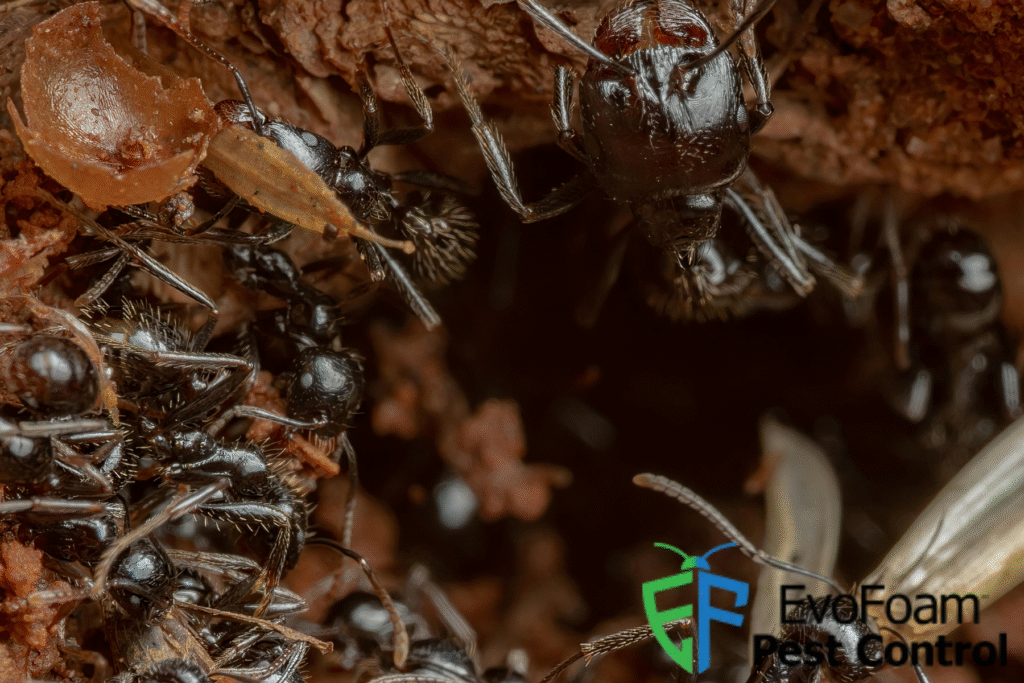
Sometimes, DIY prevention isn’t enough. If ant activity persists despite your best efforts, professional intervention may be necessary. Ant colonies can be complex, with multiple satellite nests hidden behind walls or underground. Licensed pest control experts use proven methods to target the entire colony, not just the ants you can see.
For reliable and thorough pest control Hutto TX, professionals can offer long-term solutions and advice tailored to your home’s unique needs.
Why Prevention Is Better Than Cure
Waiting until ants invade your kitchen before taking action can make the situation worse. Once a colony is established inside your walls or under flooring, it becomes significantly harder to eliminate. Proactive prevention not only protects your home but also saves time and money in the long run.
Routine inspections, home maintenance, and environmental adjustments are your best defense. Incorporating pest prevention into your regular home care schedule will help keep your space ant-free year-round.
How to Know When It’s Time to Get Help
Even if you’ve followed all the preventive steps, ants may still find a way in. If you’re dealing with any of the following situations, it’s best to call a pest control Hutto expert:
- Ant trails that keep coming back after cleaning
- Large numbers of ants appearing suddenly
- Ants nesting inside walls or insulation
- Failed attempts with DIY baits or sprays
Professionals understand the biology and behavior of ants, including their nesting and foraging patterns. They also have access to industry-grade tools and treatments that homeowners don’t.
About EvoFoam Pest Control
EvoFoam Pest Control is proud to serve the Hutto, TX area with innovative and eco-friendly pest management solutions. Specializing in comprehensive pest control services, our team uses advanced foam-based treatments to eliminate ants, rodents, and other common pests safely and effectively. Whether you’re dealing with black ants in house or need ongoing protection, we’re here to help you reclaim your home with solutions that are tough on pests but safe for your family.