
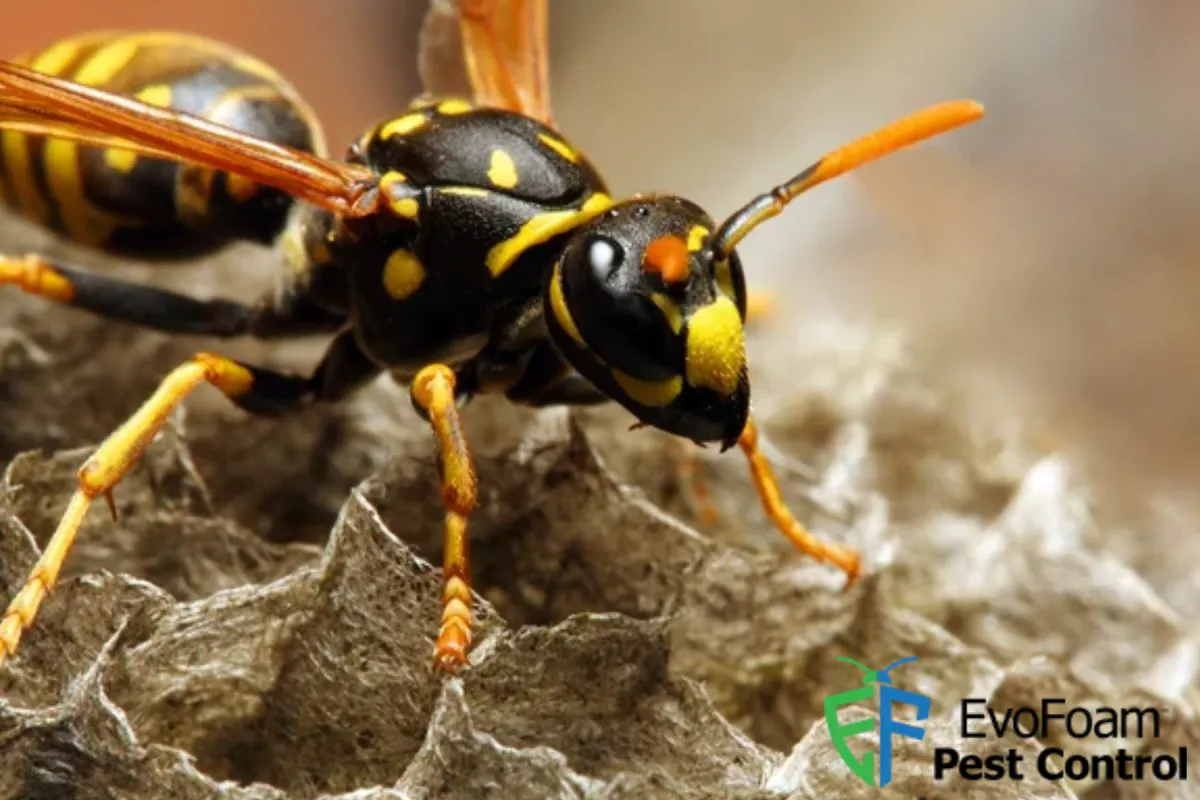
To safely inspect your roof and deck for early-stage wasp nests, conduct your search during early morning or late evening when wasps are least active. Wear protective clothing, use a flashlight to check under eaves and deck joists, and observe flight paths from a safe distance before approaching.
Finding a wasp nest on your property can quickly turn a relaxing outdoor space into a source of anxiety. Stinging insects are fiercely territorial, and what begins as a tiny, harmless-looking paper comb in the spring can rapidly expand into a massive colony by mid-summer. Catching these nests in their early stages is the key to maintaining a safe, peaceful environment for your family and pets. However, performing this inspection requires a careful, methodical approach to avoid accidentally triggering defensive swarms.
The Importance of Early Detection
The transition into warmer weather invites us outdoors, but it also triggers queens to emerge from hibernation and begin building their colonies. In vibrant communities, where outdoor living is a year-round pleasure, taking preventative action is essential. A nest the size of a golf ball is relatively easy to manage and poses a low threat. Left unchecked, that same nest can harbor hundreds or even thousands of aggressive workers in just a few short months.
Early detection of infestations prevents structural damage, reduces the risk of painful stings, and allows for more eco-friendly, low-impact removal methods. When you spot the warning signs early, you give yourself the time to rely on professional, sustainable wasp control solutions rather than panicking and resorting to harsh, over-the-counter, toxic sprays.
Step-by-Step Inspection Guide
Conducting a safe and thorough inspection requires patience and a strategic approach. Follow these steps to locate early-stage nests without putting yourself at risk.
1. Pre-Inspection Preparation
Preparation is your first line of defense. Never attempt an inspection without taking the proper safety precautions.
- Time Your Inspection: Always schedule your check for dawn or dusk. Wasps are sluggish, have poor vision in the dark, and are mostly contained inside the nest during cool, low-light hours.
- Gear Up: Wear thick, long-sleeved clothing, heavy denim pants, closed-toe shoes, and leather gloves. Avoid wearing bright floral colors or strong perfumes, as these can attract stinging insects.
- Equip Yourself: Bring a high-powered, focused-beam flashlight and a pair of binoculars. Binoculars are critical for inspecting high rooflines and eaves safely from the ground.
2. The Deck Inspection Protocol
Decks provide the perfect shelter for wasps, offering shade, structural voids, and protection from the rain.
- Observe from Afar: Before walking onto the deck, stand back in your yard and watch the structure for five to ten minutes. Look for any wasps flying in a consistent, directional path, known as a “flight line.” This invisible highway usually points directly to the nest’s entrance.
- Check the Underside: Carefully shine your flashlight under the deck floorboards. Focus heavily on the corners where the joists meet the ledger board (the board attached to your house).
- Inspect Railings and Furniture: Look under the lips of wooden or composite handrails. During a recent property evaluation in the Berry Creek neighborhood, a homeowner was shocked to discover an early-stage nest hidden perfectly inside the hollow frame of a patio umbrella. Always check beneath patio tables and inside the frames of hollow outdoor furniture.
3. The Roof and Eaves Inspection Protocol
Rooflines are prime real estate for aerial nesters like paper wasps and bald-faced hornets.
- Scan the Roofline From the Ground: Using your binoculars, look closely at the soffits, fascia boards, and the highest peaks of the roof. Do not climb a ladder for this preliminary inspection, as startling a nest while elevated is incredibly dangerous.
- Inspect Gutters and Downspouts: Look for small, gray, paper-like structures forming in the dry, upper corners of your gutter system or just inside the rim of your downspouts.
- Check Vents and Chimneys: Examine gable vents, attic vents, and chimney caps. Wasps frequently build concealed nests in these airflow structures, which can eventually lead them inside your home.
Identifying Common Wasps and Their Nesting Habits
Knowing what type of nest you are looking for will help you pinpoint where to search on your roof and deck. Different species prefer different habitats and present varying levels of risk.
| Wasp Species | Early-Stage Nest Appearance | Preferred Nesting Locations | Aggression Level |
| Paper Wasps | Small, upside-down umbrella shape; open honeycomb cells visible. | Under deck railings, roof eaves, window frames, and patio umbrellas. | Low to Moderate |
| Yellow Jackets | Usually subterranean, but structural nests look like small gray golf balls. | Inside wall voids, behind siding, or deep under deck floorboards. | High |
| Bald-Faced Hornets | Grey, enclosed paper sphere with a single entrance hole at the bottom. | High up under thick roof overhangs, eaves, or nearby tree branches. | Extremely High |
If you notice yellow jackets entering a void in your siding, do not plug the hole. They will chew through the drywall and enter your living room. In these instances, seeking out an experienced exterminator in Sun City, TX, is the safest and most effective move.
Debunking a Common Industry Myth: “Waiting for Winter is the Best Removal Strategy”
A prevalent and dangerous DIY myth is that if you spot a small nest on your roof or deck in the spring, you should just leave it alone and wait for winter, when the frost will naturally kill the colony.
The Reality: While freezing temperatures do kill the majority of a colony (excluding the overwintering queens), ignoring an early-stage nest allows it to grow exponentially throughout the summer. A nest that seems easily ignorable in May can become a massive hazard holding thousands of highly aggressive wasps by August, effectively holding your backyard hostage.
Furthermore, certain species can cause severe structural damage. Yellow jackets and European hornets will actively chew through drywall, wood siding, and insulation to expand their nests into your wall voids long before the first winter frost arrives. Early detection and immediate, eco-friendly intervention are always the safest and most cost-effective strategies.
Applying our Proprietary Foam Treatments, Aerosol, and Dust Protocol
When facing a growing colony, relying on standard hardware store sprays often results in a mess of toxic chemicals that harm the local ecosystem without fully eliminating the nest. As a leading provider of pest control in Sun City, TX, we apply our proprietary protocol utilizing foam treatments, aerosols, and dust to solve the problem safely and sustainably.
This multi-tiered approach is designed to neutralize the threat while protecting your family, pets, and the environment:
- Eco-Friendly Foam Treatments: Our primary weapon is an innovative, non-toxic foam that expands on contact. When applied to a nest under an eave or deck, the foam rapidly expands to coat the entire structure, instantly blocking the exit paths and neutralizing the wasps without dripping harmful chemical runoff onto your patio or landscaping. It is highly effective and environmentally responsible.
- Targeted Aerosol Application: For immediate knockdown of aggressive guards patrolling the nest’s exterior, we use precision-targeted, eco-conscious aerosols. This allows our technicians to safely approach the main structure and apply the primary foam treatment without risking a swarm.
- Deep-Void Dusting: When wasps nest behind your siding, inside roof eaves, or deep within structural voids, liquids and foams may not reach the entire colony. We apply a specialized, low-toxicity dust deep into these cavities. As workers travel through the void, they pick up the dust and carry it directly to the queen, ensuring the collapse of the hidden colony.
We stand firmly behind our eco-conscious methods. That is why every service comes with our 100% satisfaction guarantee. We are committed to providing you with a safe, pest-free environment, and if the wasps return, so do we, at no additional cost to you.
People Also Ask
What does an early wasp nest look like?
In its earliest stage, it looks like a small, grey, papery honeycomb about the size of a quarter, usually attached to a surface by a single small stalk. A yellow jacket or hornet nest will look like a smooth, grey, paper-like golf ball with a small hole at the bottom.
Should I knock down a small wasp nest with a broom?
No. Knocking down a nest with a broom puts you in immediate danger of being stung. Even a small nest can contain a queen and several highly defensive workers. Physical disruption triggers an aggressive swarm response. It is always safer to use targeted, eco-friendly treatments.
Will a wasp nest die off on its own?
In regions with cold winters, the worker wasps and the old queen will die off when freezing temperatures arrive. However, newly fertilized queens will abandon the nest to hibernate and will likely return to the same area on your property the following spring to build a new colony.
What time of day are wasps least active?
Wasps are diurnal, meaning they are active during the day and sleep at night. They are least active and therefore least likely to attack during the very early morning hours before the sun has warmed them or late in the evening after dusk.
Partner With Your Dependable Exterminator
At EvoFoam Pest Control, our brand is built on being dependable, eco-conscious, and innovative. We understand that dealing with stinging insects is stressful, which is why we aim to be your trusted partner, offering advanced solutions that prioritize your family’s safety and the sustainability of our environment.
Whether you live near the vibrant heart of the city or in the quiet outskirts, you deserve a backyard where you can relax with confidence. We stand out as your premier exterminator by offering eco-friendly, foam-based Sun City pest control treatments that target hard-to-reach areas, delivering more effective and sustainable results than traditional, toxic methods.
We believe in combining true innovation with environmental responsibility. When you work with us, you can rest assured that your property is in expert hands.
Don’t let wasps take over your roof and deck this season. Contact us today to schedule a consultation or targeted pest treatment, and please share our eco-friendly solutions with your neighbors!


