Carpenter ants may not get as much attention as termites, but they can be just as destructive. If you’ve spotted large black ants crawling around your home, especially near wood structures or walls, it’s time to pay attention. These pests don’t just show up by accident. To eliminate them effectively, you must first understand how they operate inside their colony.
What Are Carpenter Ants?
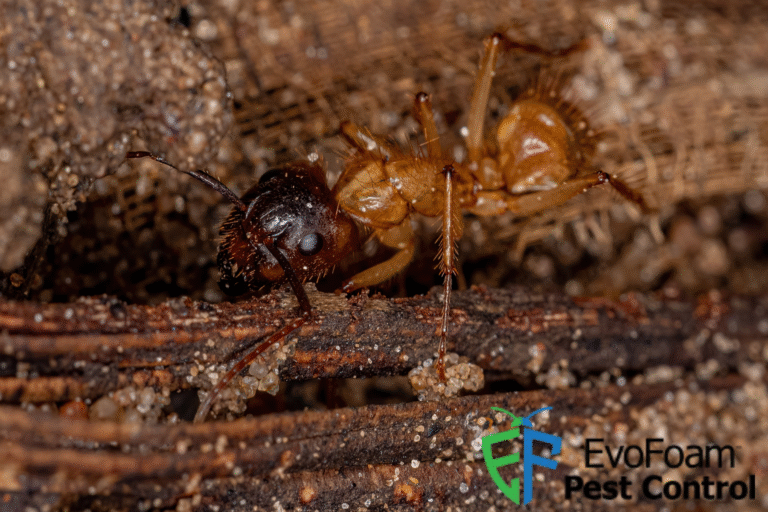
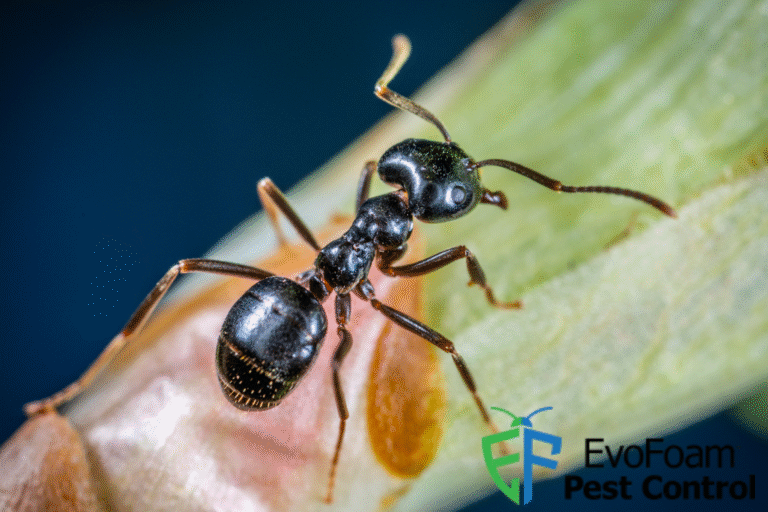
Carpenter ants are a species of ant that excavate wood to create nests. Unlike termites, they don’t consume wood; they simply chew through it to build their colonies. This activity can compromise the structural integrity of your home if left untreated. Understanding their behavior is critical to identifying, treating, and ultimately preventing infestations.
The Structure of a Carpenter Ant Colony
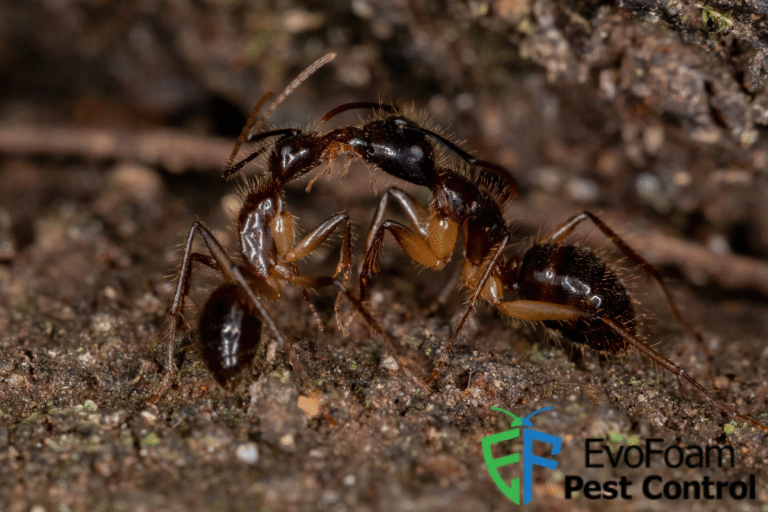
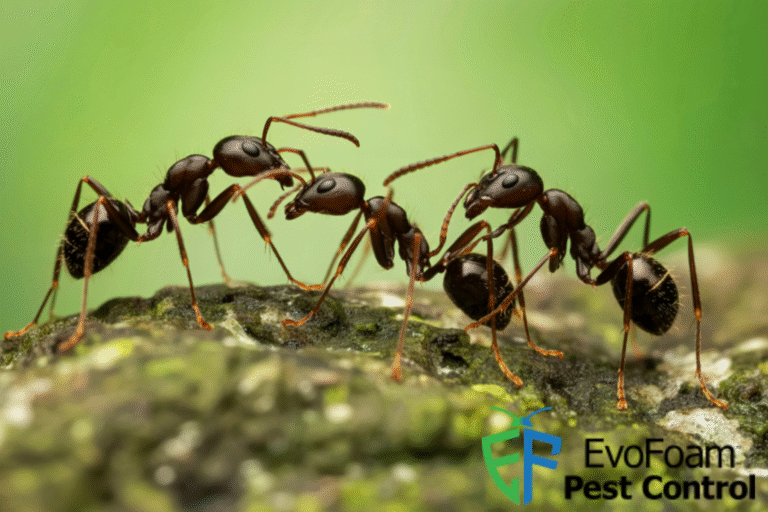
A carpenter ant colony typically consists of a queen, workers, and sometimes satellite colonies. The queen’s job is to reproduce and expand the colony. Worker ants forage for food, excavate wood, and tend to the queen and young.
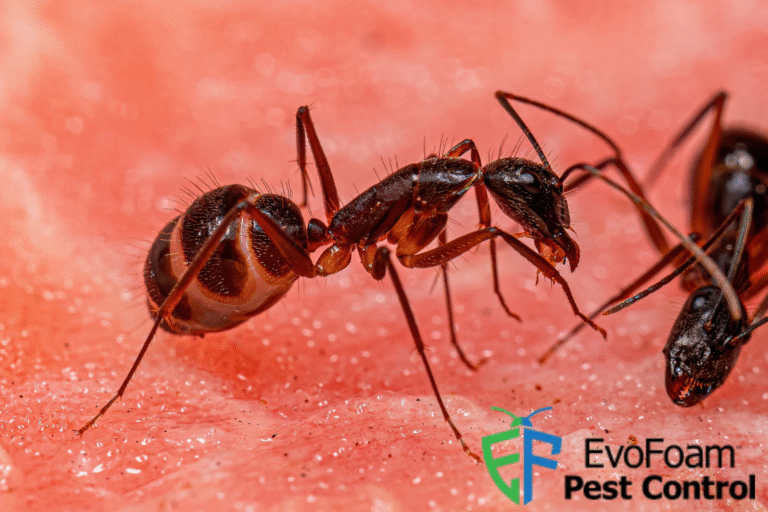
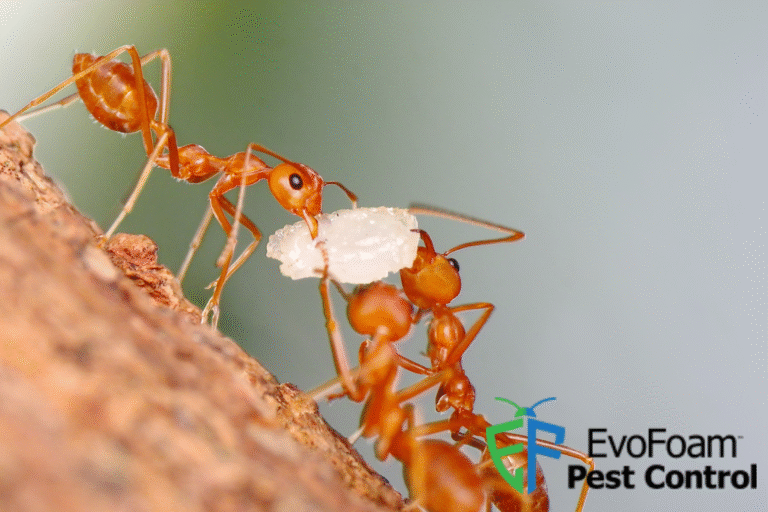
These ants are highly organized. They form clear foraging trails, often traveling up to 100 yards from their nest in search of food. They prefer sweets and proteins, and kitchens, pantries, and pet food dishes can quickly attract them.
If you’re wondering how to get rid of carpenter ants, targeting the colony itself, especially the nest, is key.
Signs You Have Carpenter Ants
Recognizing the signs of a carpenter ant infestation can help you act quickly. Look for:
- Sawdust-like material (frass) near wooden structures
- Rustling sounds within walls, especially at night
- Presence of large black ants indoors
- Discarded wings from swarmers
- Ants trail along baseboards or outdoor pathways
Carpenter Ants Are Most Active at Night
Carpenter ants are nocturnal, meaning most of their excavation and foraging happens at night. If you’re hearing faint rustling inside your walls after dark, it could be ants burrowing into wood.
Homeowners may underestimate these sounds or attribute them to plumbing or rodents. But unlike rodents, carpenter ants don’t create loud scurrying noises, just a quiet, persistent rustle.
Do Carpenter Ants Bite?
A common question is: do carpenter ants bite? The answer is yes, but rarely in a dangerous way. While not aggressive, they can bite in self-defense, and some larger species can inject formic acid into the wound, which may cause a slight burning sensation. However, these bites are not medically significant to most people.
Common Nesting Sites
Outdoors, carpenter ants often nest in rotting trees, logs, or woodpiles. Indoors, they prefer moisture-damaged wood window frames, door jambs, under sinks, and behind dishwashers, which are common nesting sites. This makes preventative maintenance and moisture control crucial.
When nests are hard to locate, homeowners often require professional help from an exterminator in Hutto, TX.
How Carpenter Ants Expand Their Colonies
Carpenter ants are known to form satellite colonies. Even if you destroy a visible nest, others may remain hidden. This behavior makes complete eradication difficult without a comprehensive pest control strategy.
Satellite colonies are often established inside homes, while the parent colony remains outdoors. Workers may move between the two, complicating detection and treatment. That’s why identifying all active sites is critical to complete elimination.
Effective Carpenter Ant Treatments
So, what’s the best way to treat a carpenter ant infestation?
Professional pest control experts in Hutto use a variety of targeted treatments to eliminate colonies. We use a foam-based application process that penetrates deep into wall voids and nesting sites, something that traditional sprays can’t accomplish.
If you’re searching for a proven carpenter ant killer, foam treatments provide an environmentally friendly, effective solution. This approach is especially useful for indoor infestations where ants are hidden in wall voids or behind cabinetry.
Why DIY Treatments Often Fail
Many homeowners attempt to eliminate carpenter ants using over-the-counter solutions. Unfortunately, these methods rarely reach the root of the problem. Surface treatments might kill a few visible ants, but they don’t address the queen or satellite nests.
Additionally, improper treatment can cause the colony to relocate and spread. That’s why professional, customized treatments are recommended.
EvoFoam Pest Control’s treatment process includes an initial interior application followed by regular exterior treatments. This helps establish a long-term barrier and prevents re-entry from outside colonies.
Importance of Routine Maintenance
The key to ongoing carpenter ant prevention is consistent maintenance. Routine treatments, monthly, bi-monthly, or quarterly, are designed to disrupt the colony’s lifecycle and prevent future infestations.
When paired with proper home maintenance, such as sealing cracks, removing woodpiles, and addressing water leaks, these treatments become even more effective.
If you’ve spotted ants and searched online for ant control, it’s time to act quickly and schedule a professional inspection.
About EvoFoam Pest Control
At EvoFoam Pest Control, we specialize in revolutionary foam-based pest treatments that reach areas traditional methods can’t. Based in Central Texas, our veteran-owned business offers scientifically backed, eco-friendly pest solutions tailored for both homes and businesses.
We provide comprehensive services, including ant control, Hutto pest control, rodent control, termite treatments, and more. Our exclusive foam applications penetrate breeding sites, wall voids, and structural crevices to ensure long-lasting protection.
All EvoFoam services come with a 100% satisfaction guarantee. With customized treatment plans, routine maintenance options, and affordable payment plans, we deliver peace of mind and year-round pest-free living.

FAQs: People Also Ask
- What attracts carpenter ants to my home?
Carpenter ants are attracted to moisture-damaged wood, sweet foods, and protein. Kitchens, pantries, and pet food dishes are common attractants. - Can I prevent carpenter ants from entering my home?
Yes, sealing cracks, fixing leaks, and removing woodpiles can help. Routine pest control treatments also play a key role in preventing infestations. - How do I know if I have a carpenter ant problem?
Look for sawdust-like frass near wooden structures, hear rustling sounds in the walls, or see large black ants indoors. Discarded wings from swarmers are another sign. - Are carpenter ants harmful to my health?
While they can bite in self-defense, their bites are not dangerous to most people. However, their wood excavation can damage your home’s structural integrity if left untreated. - Can I get rid of carpenter ants on my own?
DIY methods often fail to reach the hidden nests. Professional treatments, such as foam-based applications, are more effective at eliminating carpenter ants and their colonies.
If you suspect a carpenter ant infestation, don’t wait to contact us today for a thorough inspection and environmentally-friendly treatment options. Our expert team is here to help you protect your home from destructive pests!
Other related blogs:
Why Ants Are More Than Just an Annoyance They Can Cause Damage
Are Ants Taking Over Your Home? The Silent Invaders You Might Not Notice
Do You Need Professional Help to Get Rid of Carpenter Ants in Your Home Near the Cedar Park Center?