
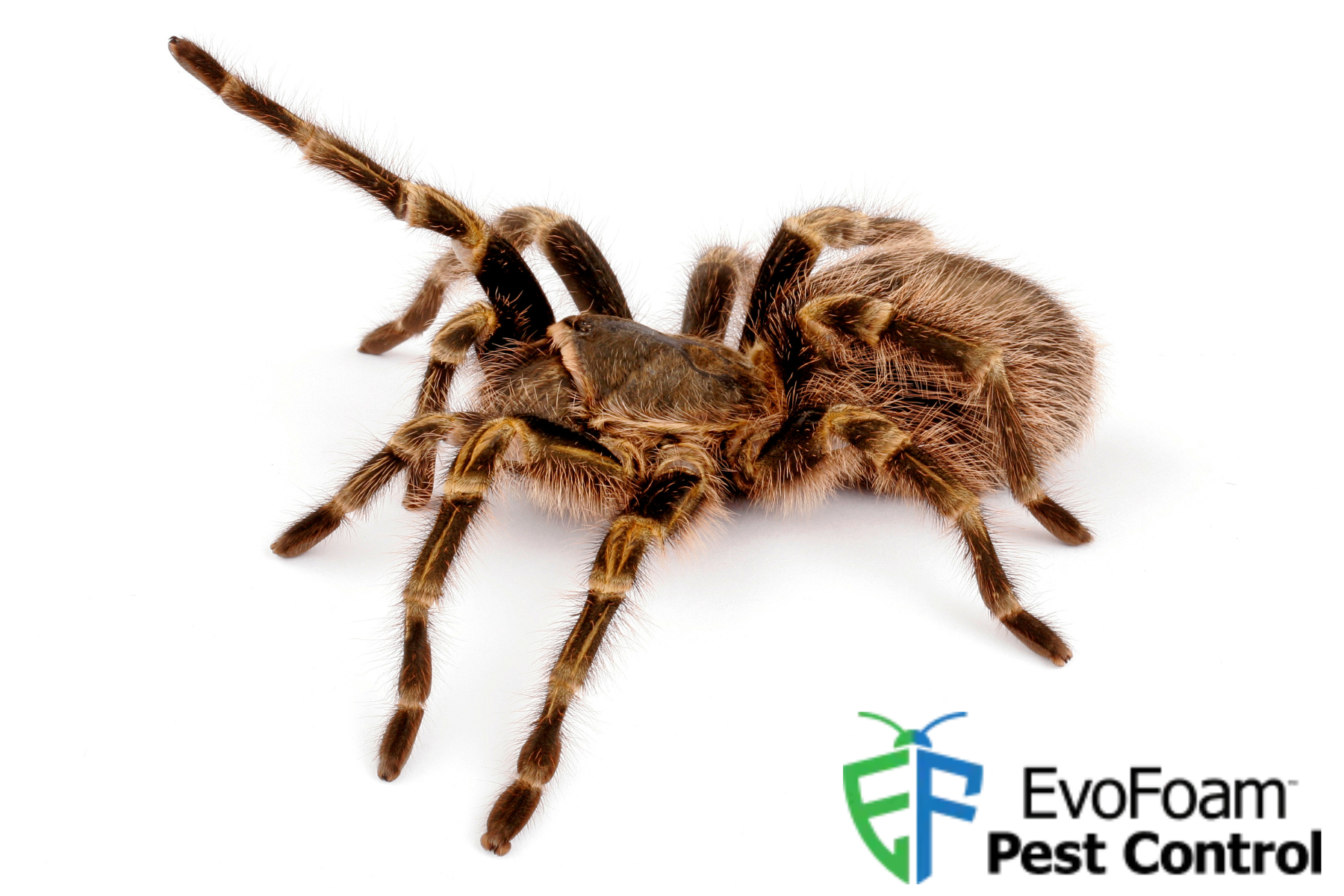
Jumping spider bites are generally not considered medically significant to humans, and these small, active arachnids typically avoid people. However, a suspected bite can cause localized irritation, and symptoms alone cannot confirm which insect or arachnid caused a skin reaction. Knowing how to respond, what warning signs to watch for, and when to seek medical advice can help you make an informed decision.
Are Jumping Spider Bites Dangerous?
Jumping spiders are generally considered low risk to humans. They are known for their excellent vision, active hunting behavior, and ability to leap short distances. They typically do not seek out people to bite and are more likely to retreat when disturbed.
A bite may occur if a spider feels threatened, is accidentally pressed against the skin, or becomes trapped in clothing or bedding. Even then, a serious reaction is not expected in most cases.
It is important to remember that a skin reaction does not automatically mean a jumping spider was responsible. Many conditions, including insect bites, contact irritation, and skin infections, can produce similar symptoms.
If you did not see the spider, avoid assuming the cause based only on the appearance of a bump or rash. Monitor the affected area and seek medical advice if symptoms worsen or you develop concerning signs.
What Does a Jumping Spider Bite Look Like?
A suspected jumping spider bite may cause a small area of redness, mild swelling, itching, tenderness, or localized discomfort. Some people may notice little or no visible reaction.
There is no single skin appearance that reliably identifies a jumping spider bite. Two small marks, a red bump, or an itchy patch cannot confirm which animal caused the reaction.
Pay attention to how the affected area changes over time rather than relying on appearance alone.
Possible symptoms include:
- Localized redness: The skin around the suspected bite may appear red or irritated.
- Mild swelling: A small area may become slightly raised or swollen.
- Itching: The affected area may feel itchy or irritated.
- Tenderness: Some people may experience mild discomfort when touching the area.
- Temporary skin irritation: The area may remain sensitive for a period, depending on the cause and individual response.
These symptoms are nonspecific and may have causes unrelated to a spider bite. If the area becomes increasingly painful, develops spreading redness, or shows signs of infection, seek medical evaluation.
What Symptoms Can a Jumping Spider Bite Cause?
The symptoms associated with a suspected bite depend on the cause of the skin reaction and the person’s individual sensitivity. A mild local reaction may improve with basic care, but worsening symptoms should not be dismissed.
Mild Local Reactions
Minor redness, itching, tenderness, and swelling may occur after a suspected bite or another type of skin irritation.
If symptoms remain mild and do not worsen, basic first aid and observation may be sufficient. Avoid scratching the area, as broken skin can increase the risk of infection.
If you are uncertain about the cause or have concerns about an existing medical condition, contact a healthcare professional for guidance.
Signs That May Indicate Infection or Another Problem
Increasing pain, warmth, spreading redness, drainage, or fever can indicate a problem that needs medical evaluation. These symptoms should not automatically be attributed to venom.
A skin infection or another medical condition may initially resemble a bite. If the affected area continues to worsen instead of improving, seek medical advice rather than relying on home remedies.
Symptoms of a Severe Allergic Reaction
Although a severe allergic reaction is not expected from a typical jumping spider encounter, serious symptoms should always be treated urgently.
Seek emergency medical help if you experience:
- Difficulty breathing or wheezing
- Swelling of the lips, tongue, or throat
- Fainting or severe dizziness
- Widespread hives accompanied by breathing problems or other signs of a severe reaction
Do not wait for the skin around a suspected bite to change before seeking emergency assistance when these symptoms occur.
What Should You Do if You Think a Jumping Spider Bit You?
If you suspect a bite, focus on basic wound care and monitoring rather than trying to identify the cause from the skin alone.
1. Gently Clean the Affected Area
Wash the area with soap and water. This helps remove surface dirt and reduces the risk of contamination if the skin is broken.
Avoid scrubbing aggressively or applying harsh household substances. Do not cut the skin, squeeze the area, or attempt to remove venom.
2. Apply a Cool Compress
If the area is mildly swollen or uncomfortable, apply a cool, damp cloth or a cold pack wrapped in fabric for short periods.
Do not place ice directly on the skin. A cool compress may help relieve discomfort, but it does not establish the cause of the reaction.
3. Avoid Scratching or Irritating the Skin
Scratching can damage the skin and increase the chance of infection. Keep the area clean and avoid products that cause additional irritation.
If itching or discomfort persists, ask a pharmacist or healthcare professional whether an appropriate over-the-counter treatment is suitable for you, especially if you have allergies, take other medications, or are treating a child.
4. Monitor Changes in Symptoms
Observe whether redness, swelling, discomfort, or other symptoms improve or worsen. If practical, take a photograph to document changes over time.
Seek medical advice if the reaction spreads, pain increases, drainage develops, fever occurs, or symptoms do not improve as expected. Get emergency help for symptoms of a severe allergic reaction.
5. Avoid Handling the Suspected Spider
You do not need to capture a spider to receive medical care. If the animal is still nearby, do not handle it with bare hands.
If you can take a photograph safely, it may help with identification. However, do not delay medical attention to obtain a picture or specimen.
How Long Do Jumping Spider Bite Symptoms Last?
There is no single recovery timeline for every suspected bite. Mild irritation may improve relatively quickly, while other skin reactions can persist for longer depending on their cause and the person’s sensitivity.
A reaction that continues to worsen should not be assumed to be a normal part of healing. Increasing pain, spreading redness, fever, or drainage warrants medical evaluation.
If the symptoms are persistent, unusual, or difficult to explain, a healthcare professional can assess whether the problem is a bite, an allergic reaction, an infection, or another skin condition.
How Can You Tell a Jumping Spider From Other Spiders?
Jumping spiders belong to a group known for their relatively compact bodies, good vision, and ability to jump while hunting. Many have prominent forward-facing eyes, although appearance varies among species.
They may be found around windows, walls, gardens, and other areas where small insects are available. Their presence does not necessarily mean a home has an infestation.
Other spider species can look similar to an untrained observer, and identifying a bite based on symptoms is unreliable. If you encounter an unfamiliar spider, avoid touching it. A clear photograph taken from a safe distance may help with identification.
Do not assume a skin reaction was caused by a particular species unless there is reliable evidence to support that conclusion.
How Can You Reduce Encounters With Spiders at Home?
Most household encounters can be reduced through routine cleaning, sensible storage, and limiting the openings through which small animals enter.
Reduce Clutter and Inspect Stored Items
Cardboard boxes, seldom-used storage areas, and undisturbed corners can provide sheltered spaces for many small animals.
Keep storage areas organized, avoid leaving clothing on the floor for extended periods, and inspect items that have been stored for a long time before using them. Shake out shoes or clothing if they have been left in an area where animals may hide.
Seal Gaps Around Doors and Windows
Inspect door sweeps, window screens, and openings around utility lines. Repair damaged screens and seal suitable gaps to reduce access for insects and other small animals.
Reducing the number of insects entering the home may also make indoor areas less attractive to hunting arachnids.
Keep Indoor and Outdoor Areas Maintained
Vacuum corners, remove accumulated webs where appropriate, and keep outdoor vegetation from making direct contact with the building when practical.
Avoid unnecessary piles of leaves, cardboard, or other materials immediately beside entrances. These steps can reduce sheltered areas, although they cannot guarantee that no spider will enter the home.
Avoid Unnecessary Contact
If you see a spider indoors, avoid picking it up or pressing it against your skin. Use a suitable container and a piece of stiff paper to move a small, identifiable spider outdoors only if you can do so safely. Do not attempt this with an unfamiliar or potentially dangerous animal.
When Should You Consider Professional Pest Control?
Finding an occasional jumping spider does not necessarily indicate a pest infestation. However, repeated sightings, multiple web-building species, or a persistent increase in indoor activity may justify investigating possible entry points and the insects that serve as food.
Homeowners researching pest control in Leander, TX should look for a provider that can assess the pest issue and explain practical prevention options rather than treating every sighting as evidence of an infestation.
When comparing Leander pest control services, ask whether the inspection considers entry points, sheltered areas, and conditions that may attract insects indoors. The appropriate response depends on the species present, the extent of the activity, and the layout of the property.
People looking for pest control in Leander may also benefit from addressing gaps around windows and doors, reducing clutter, and managing insect activity. These measures can complement professional recommendations when recurring sightings become difficult to manage.
Professional pest management is intended to address the presence of unwanted pests around a property. It does not diagnose or treat a suspected bite. If you have concerning symptoms, contact a healthcare professional or seek emergency medical care as appropriate.
Frequently Asked Questions
Are jumping spider bites poisonous?
Jumping spiders use venom to subdue their prey, but they are generally not considered medically significant to humans. A suspected bite may cause local irritation, and individual reactions can vary. Seek medical advice if symptoms worsen or you are unsure about the cause.
Can a jumping spider bite cause a serious reaction?
A serious reaction is not expected in most cases, but severe allergic symptoms require immediate attention. Difficulty breathing, swelling of the lips or throat, fainting, or widespread hives accompanied by other serious symptoms are reasons to seek emergency medical help.
Should I squeeze or puncture a suspected spider bite?
No. Do not cut, puncture, squeeze, or attempt to extract venom from the affected area. Gently clean the skin, use a cool compress for minor discomfort, and monitor for changes. Seek medical attention if symptoms worsen.
Can I identify a jumping spider bite from two puncture marks?
No. Puncture marks or a particular skin pattern cannot reliably identify the animal responsible. Many skin conditions and other bites can look similar. If symptoms are concerning, seek medical assessment instead of relying on appearance alone.
Do jumping spiders usually enter homes to bite people?
Jumping spiders generally hunt small prey and do not seek out people to bite. An encounter may occur when one is accidentally trapped against the skin or handled. Avoid direct contact with unfamiliar spiders.
When should I see a doctor for a suspected spider bite?
Seek medical advice if you develop increasing pain, spreading redness, drainage, fever, or symptoms that persist or worsen. Get emergency assistance for difficulty breathing, swelling of the tongue or throat, fainting, or other signs of a severe allergic reaction.
Protect Yourself by Responding to Suspected Bites Carefully
A suspected jumping spider bite is generally unlikely to cause serious harm, but it is important to monitor symptoms and avoid assuming that every skin reaction has the same cause. EvoFoam Pest Control can help homeowners address recurring indoor pest activity, while basic first aid, careful observation, and timely medical guidance can help you respond appropriately to a suspected bite.
If you have concerns about a skin reaction, contact a healthcare professional. If recurring indoor pest activity is a separate concern, EvoFoam Pest Control can help you explore appropriate prevention and control options for your home. Reach out today to get started!
LEARN MORE HERE:
What Attracts Spiders to Your Home? It Might Be What They’re Hunting
Jumping Spider Bites: What They Look Like and When to Seek Help


