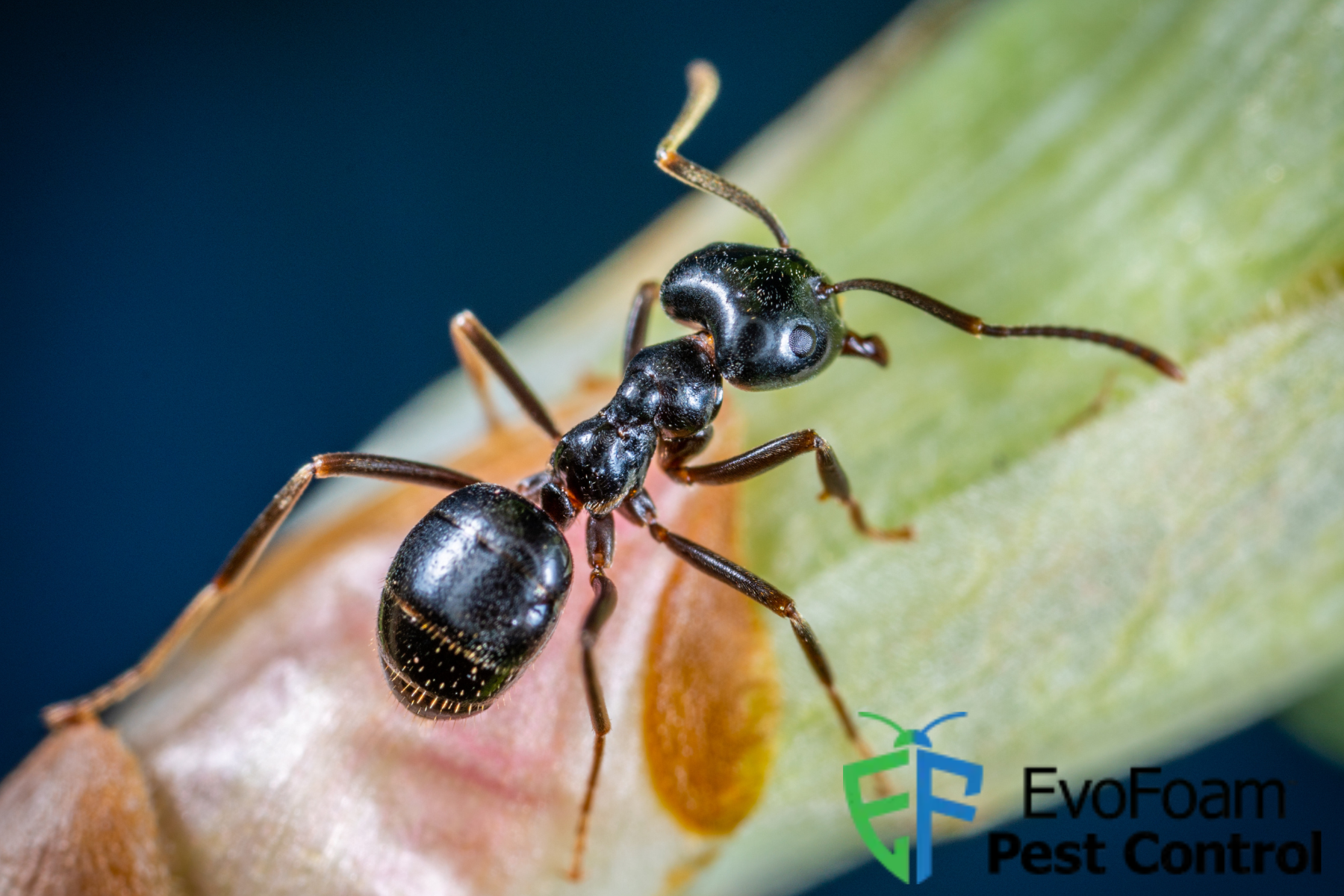
Carpenter ants may not be as infamous as termites, but don’t let their quiet demeanor fool you. These pests are known as silent destroyers for good reason they can cause significant damage to the structure of your home long before you even realize they’re there. While they don’t actually eat wood like termites, they tunnel through it to build nests, weakening your home’s structural integrity over time. Identifying the early signs of carpenter ants in house is crucial to protecting your property and avoiding costly repairs.
What Makes Carpenter Ants So Destructive?
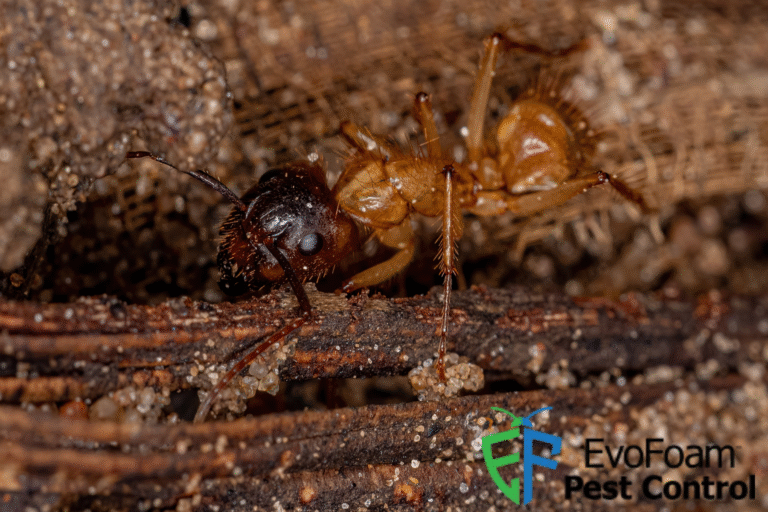
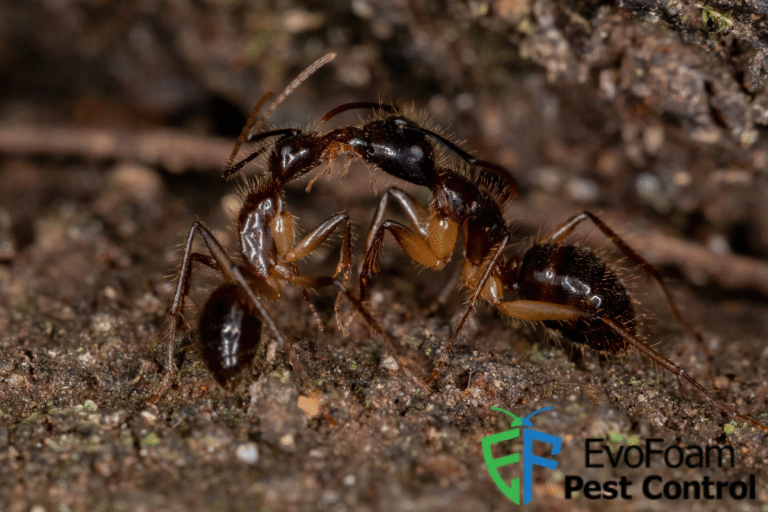
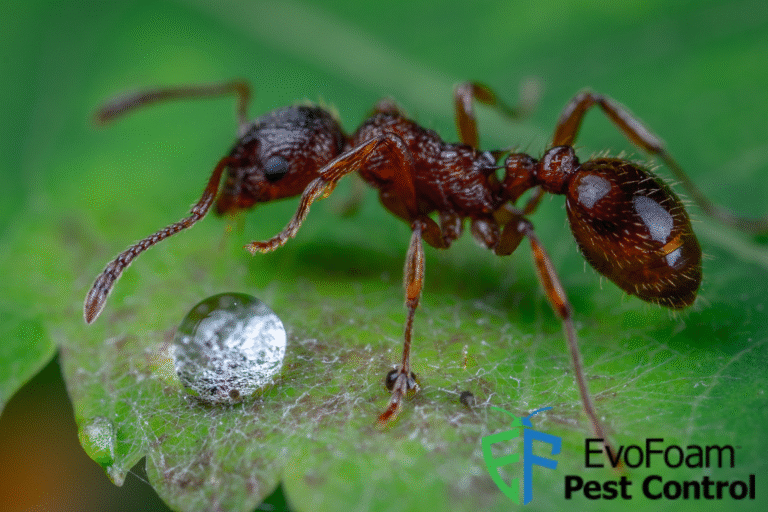
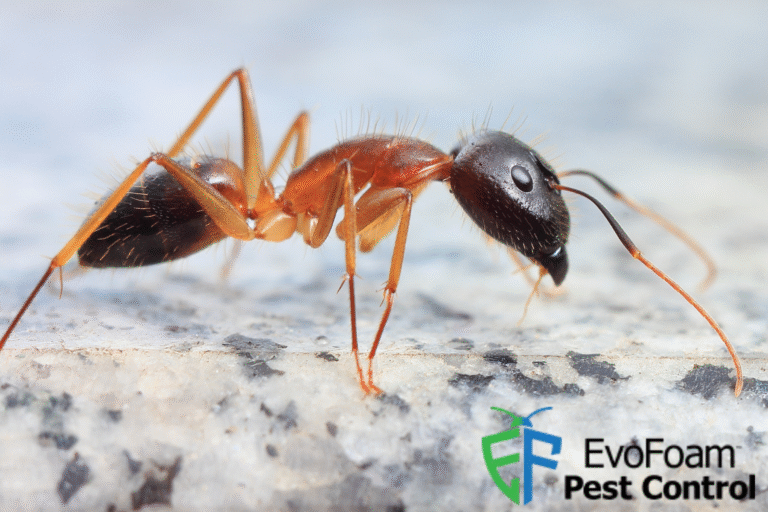
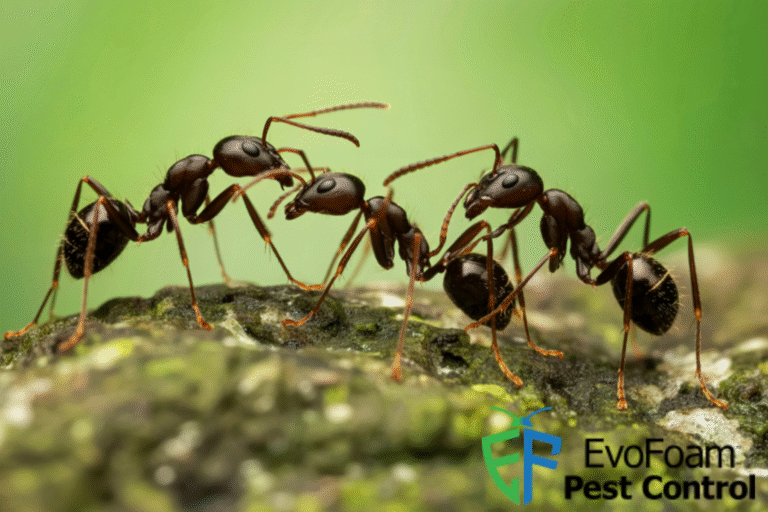
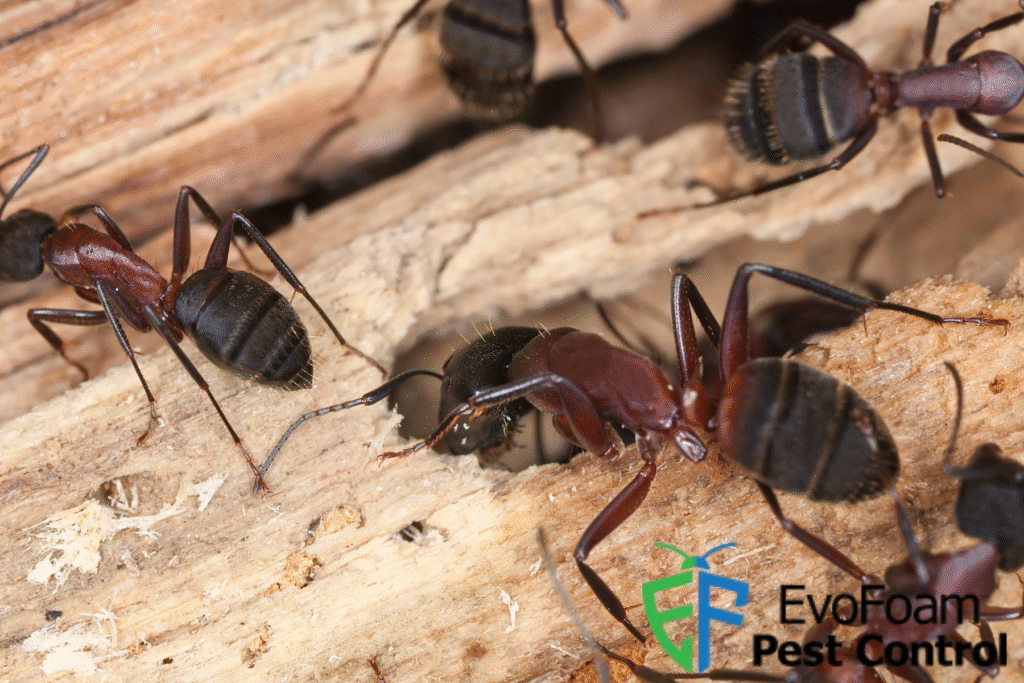
Carpenter ants are large, black or reddish-black ants that prefer to nest in damp, decaying, or hollow wood. Unlike termites, they don’t consume the wood; instead, they chew through it to create intricate tunnels and galleries where they live and breed. Over time, this excavation can compromise the strength of wooden structures, making them a serious threat to homes, especially in moisture-prone areas like basements, attics, and wall voids.
Subtle Signs Carpenter Ants Are in Your Walls
Because carpenter ants work quietly and often at night, their activity can go unnoticed for months or even years. Here are the key indicators that these pests may have taken up residence behind your walls:
1. Faint Rustling Noises Inside Walls
If you’re hearing soft, rustling sounds at night, particularly from inside walls or ceilings, this could be carpenter ants at work. They are nocturnal, and their movements as they chew through wood can be just audible enough in a quiet environment.
2. Sightings of Large Ants Indoors
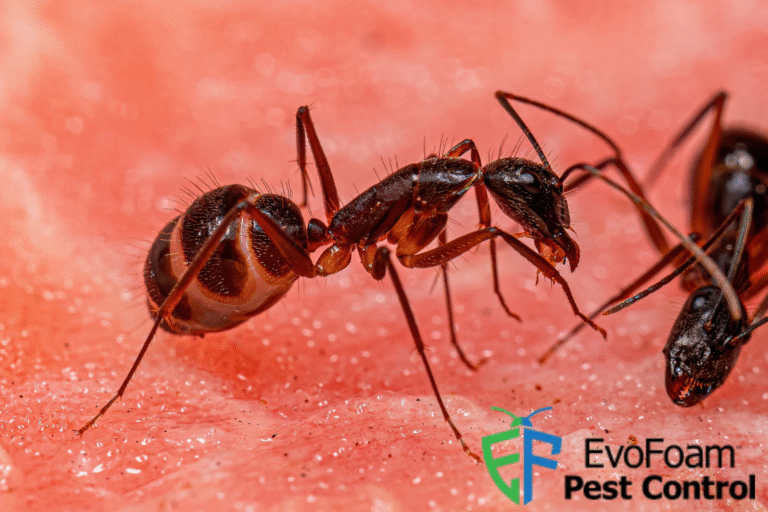
Occasionally spotting large, wingless ants inside your home, particularly during warmer months, is a red flag. These ants often forage far from their nests in search of food. Seeing them indoors especially in kitchens or bathrooms may indicate a nest is nearby.
3. Winged Ants (Swarmers) Inside Your Home
If you’ve seen winged ants in or around your home, it’s a strong sign that a mature colony exists nearby. Swarmers are reproductive ants looking to establish new nests. If they’re inside your home, the parent colony could be within your walls.
4. Frass (Wood Shavings) Piles
Carpenter ants push out debris from their nests, which can include wood shavings (known as frass), bits of insulation, and insect body parts. Finding this sawdust-like material beneath baseboards, windowsills, or near wall voids is a clear indication of nesting activity.
5. Hollow-Sounding Wood
Tapping on wood structures like walls, door frames, or baseboards and hearing a hollow sound can be a sign that ants have hollowed out the inside. This symptom often shows up after significant internal damage has occurred.
6. Unexplained Structural Damage
Sagging floors, warped window frames, or crumbling woodwork can all be symptoms of long-term carpenter ant activity. While these signs often appear late in the infestation, they’re serious indicators that immediate pest control intervention is needed.
Do Carpenter Ants Bite?
Yes, carpenter ants can bite. While they’re not aggressive toward humans, they will bite if provoked or threatened. Their strong mandibles can deliver a painful pinch, and in some cases, they may use formic acid into the bite, causing a burning sensation. Fortunately, their bites are not venomous or medically significant, but they are certainly unpleasant.
Why You Shouldn’t Ignore the Signs
One of the most dangerous aspects of a carpenter ant infestation is how long it can remain hidden. These ants often start by nesting in damp or damaged wood but can move into sound wood as the colony grows. Left unchecked, they can damage studs, joists, and other critical structures inside your home.
Early detection and consistent maintenance are key. It’s not enough to eliminate visible ants you need to address the nest. That’s where professional help becomes essential.
How to Prevent Carpenter Ant Infestations
While carpenter ants are persistent, there are several ways to make your home less attractive to them:
- Eliminate Moisture Sources: Fix leaky pipes, improve ventilation, and dehumidify damp areas.
- Seal Entry Points: Caulk cracks in your foundation, siding, and around windows or doors.
- Remove Decaying Wood: Replace water-damaged wood inside and outside the home.
- Trim Vegetation: Keep shrubs and branches trimmed back from the house to reduce access points.
Regular maintenance through a service plan is the best long-term prevention method. Customized treatment plans help detect and eliminate issues early before serious damage occurs.
Professional Solutions That Work
DIY pest control methods rarely reach the heart of a carpenter ant infestation especially if the colony is inside your walls. Professional treatments, like those provided by EvoFoam Pest Control, are designed to address both visible symptoms and hidden nests using scientifically backed methods. Our unique foam-based applications penetrate deep into wall voids, reaching breeding sites that traditional treatment often misses. This approach ensures more complete elimination of carpenter ants and long-term protection of your home.
About EvoFoam Pest Control
EvoFoam Pest Control is proud to serve homeowners and businesses across Central Texas with a revolutionary approach to pest management. As a pest control Austin company built on integrity, innovation, and trust, we’re redefining what it means to live pest-free.
Our team uses an exclusive foam treatment process that allows for deep, thorough applications in hard-to-reach areas perfect for targeting pests like carpenter ants. Every treatment is tailored to your unique property, with a focus on safety, effectiveness, and long-term results. Whether you need general pest control, pest control Austin TX, mosquito control, or rodent exclusion, EvoFoam delivers high-quality service backed by a 100% satisfaction guarantee.
We offer flexible service plans to fit your lifestyle and budget, including monthly, bi-monthly, and quarterly options. Our certified technicians inspect and treat both interior and exterior problem areas and use foam treatments that reach deep into nesting zones. With a Certified Entomologist on staff and veteran ownership at the helm, EvoFoam is the clear choice for efficient, reliable pest solutions.