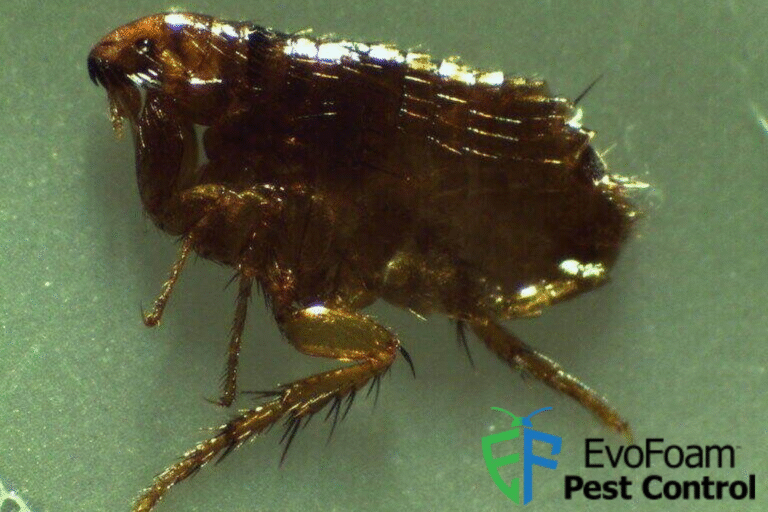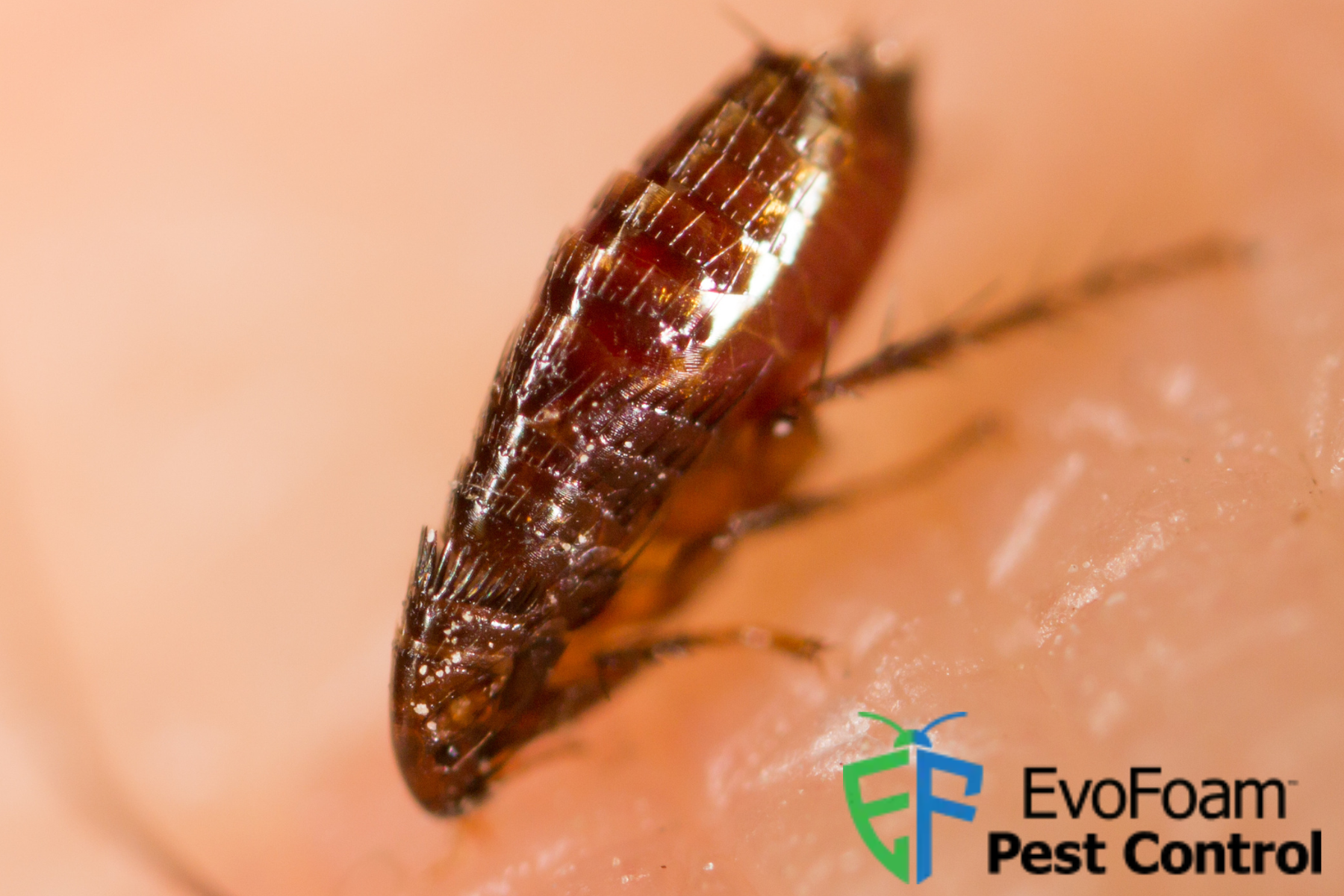
Fleas are a common pest that can invade your home, causing discomfort for both you and your pets. They are infamous for their itchy bites and ability to spread disease. While many people associate fleas with pets, such as dogs and cats, these can thrive in various environments, even without a host for extended periods. If you’ve recently noticed flea activity around your home or suspect an infestation, you may be wondering: how long do fleas live without a host?
In this article, we’ll explore the survival mechanisms of fleas, how long they can endure without a host, and what steps you can take to prevent a flea infestation in your home.
Understanding Fleas: The Basics
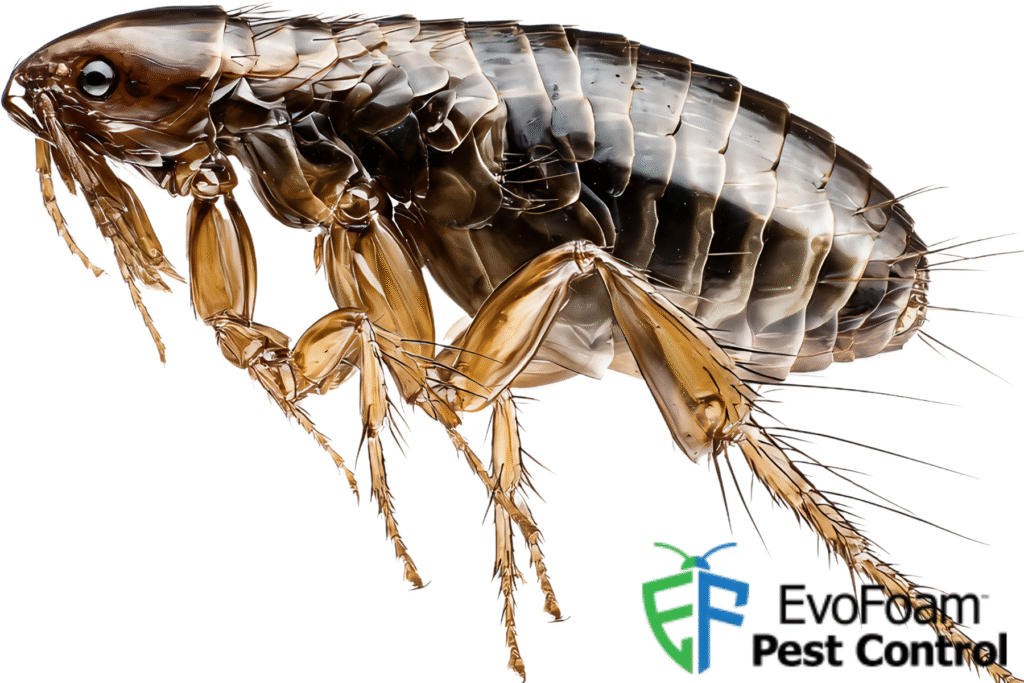
Fleas are small, wingless insects that primarily feed on the blood of mammals and birds. They are well-known for their agility and speed, capable of leaping long distances relative to their size. Fleas are often associated with pets like dogs, cats, and rodents, but they can also live in other areas of your home, such as carpets, furniture, and bedding.
Fleas are a significant concern because they can transmit diseases, such as the plague and tapeworms, to both animals and humans. Their bites are not only irritating, causing itching and discomfort, but can also lead to more severe allergic reactions in some individuals.
How Long Do Fleas Live Without a Host?
Fleas go through various life stages, including eggs, larvae, pupae, and adults. The length of time a flea can survive without a host depends on its life stage and environmental conditions. Let’s break down the survival times for each stage:
1. Flea Eggs
Flea eggs are tiny and typically laid in the fur or bedding of an animal host. After being laid, flea eggs generally hatch within 2 to 12 days. However, the eggs do not survive long without a host because they rely on the host for warmth and food. In most cases, flea eggs fall off the host and are dispersed into the environment.
2. Flea Larvae
Flea larvae hatch from the eggs and move around in search of food. These larvae feed on organic matter, including the feces of adult fleas, which contain host blood particles. Flea larvae can survive for several days without a host, but they typically prefer areas where adult fleas have been, such as in carpets, cracks, and bedding. Larvae are more likely to survive in a humid environment, as they require moisture to thrive.
3. Flea Pupae
Flea pupae are the transitional stage between larvae and adult fleas. This stage is particularly resilient, as pupae are covered by a protective cocoon that can withstand changes in temperature and humidity. Flea pupae can remain dormant for up to 6 months without a host. This makes them particularly difficult to eradicate. If the conditions are right, such as the presence of a host, flea pupae can hatch and mature into adults.
4. Adult Fleas
Adult fleas are the most familiar stage of the flea lifecycle. They require a blood meal to reproduce, and they typically stay on a host once they find one. However, adult fleas can survive without a host for about 1 to 2 weeks, depending on environmental factors like temperature and humidity. During this time, they can remain active and search for a host to latch onto. Fleas are very resilient in their adult stage, but their lifespan without a host is limited compared to other stages.
Factors That Affect Flea Survival Without a Host
The ability of fleas to survive without a host depends largely on environmental conditions. Warm, humid environments are ideal for fleas to survive, whereas cold or dry conditions can significantly reduce their lifespan. Fleas can also survive longer in areas with abundant food sources, such as where flea feces or organic debris accumulate. So, how long fleas can live without a host varies based on these environmental factors, with some fleas surviving for weeks or even months under the right conditions.
How to Get Rid of Fleas in Your Home
Fleas are resilient pests, but with the right treatment, you can eliminate them from your home. If you’ve noticed flea activity or suspect an infestation, it’s essential to take action as soon as possible. Here are some practical tips on how to get rid of fleas in the house:
1. Treat Your Pets
If you have pets, the first step is to treat them for fleas. There are many effective flea treatments available, including topical treatments, oral medications, and flea collars. It’s essential to follow the product’s instructions to ensure it works properly.
2. Clean Your Home Thoroughly
Fleas lay eggs and larvae in carpets, bedding, and furniture. To eliminate them, you’ll need to clean these areas thoroughly. Vacuum all floors, carpets, and furniture, making sure to get into cracks and corners. Wash all bedding, pet bedding, and clothing in hot water to remove any fleas and their eggs.
3. Use Flea Control Products
Flea control products, such as sprays, powders, and foggers, can help eliminate fleas in your home. These products are designed to kill adult fleas and disrupt the flea lifecycle by targeting eggs and larvae. Be sure to choose a product that is safe for your family and pets, and follow the manufacturer’s instructions.
4. Consider Professional Pest Control
If you have a severe flea infestation, it may be time to consult a professional service. Flea control can provide expert assistance in getting rid of fleas and ensuring your home is free from these pests. Experts can use eco-friendly and effective treatments to eliminate fleas in your home and prevent future infestations.
Why Professional Pest Control Is Important for Flea Control
While DIY methods can be effective for minor flea problems, a professional service offers several advantages:
- Expert Knowledge: Professional exterminators in Round Rock, TX, have the expertise to identify flea infestations and target the source of the problem.
- Long-Term Solutions: Companies use targeted treatments to eliminate fleas and prevent future infestations. Regular visits can help maintain a flea-free home.
- Safe and Effective Products: Professional Round Rock pest control companies use environmentally friendly products that are safe for your family and pets.
For those in the area, pest control services in Round Rock can provide comprehensive flea control treatments to ensure your home is bug-free. Whether you’re dealing with fleas, ants, or other nuisances, we are here to help.
About EvoFoam Pest Control
At EvoFoam Pest Control, we are committed to offering reliable, eco-friendly solutions for homeowners and businesses in Central Texas. As a veteran-owned business, we pride ourselves on providing high-quality, customizable services that ensure the safety of your family and pets. Our unique foam-based treatments are designed to deliver faster, more thorough results than traditional methods. Whether you need flea control, we have the expertise and tools to get the job done right.
If you’re dealing with a flea infestation, don’t wait for it to spread. Contact us today for expert service and let our experienced team safely and effectively eliminate fleas and other pests from your home!
FAQs About Flea Infestations and Control
1. How long can fleas live without a host?
Fleas can survive without a host for varying lengths of time, depending on their life stage. Adult fleas can last 1-2 weeks, while flea pupae can remain dormant for up to 6 months.
2. Can fleas infest a house even if there are no pets?
Yes, fleas can survive in your home without pets. They can live in carpets, furniture, and bedding, where they feed on the blood of humans and other animals that may enter your home.
3. How do I know if I have a flea infestation?
Signs of a flea infestation include itchy bites on you or your pets, seeing fleas or flea dirt on your pets, and noticing flea eggs or larvae in areas your pets frequent.
4. How can I treat fleas in my home?
Start by treating your pets for fleas. Then, clean your home thoroughly by vacuuming, washing bedding, and using products such as sprays or foggers. For severe cases, consider professional pest control.
5. Are fleas dangerous to humans?
While fleas primarily affect pets, their bites can cause itching and irritation in humans. Fleas can also transmit diseases such as the plague or tapeworms.
Other related blogs:
The Outdoor Battle: How to Kill Fleas Before They Invade Your Home
Is Your Round Rock Home at Risk for a Flea Infestation? Here’s How to Find Out