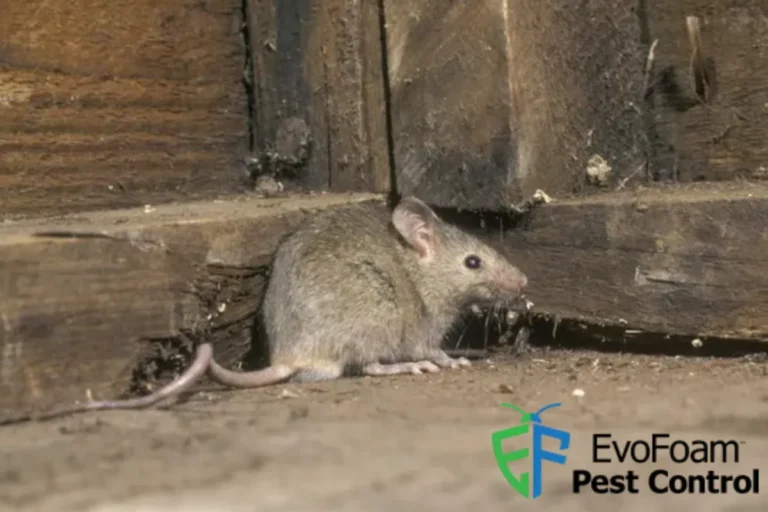
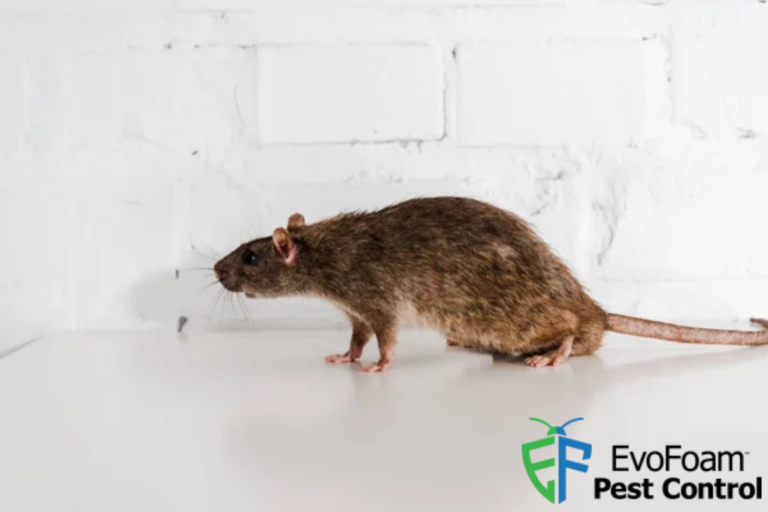
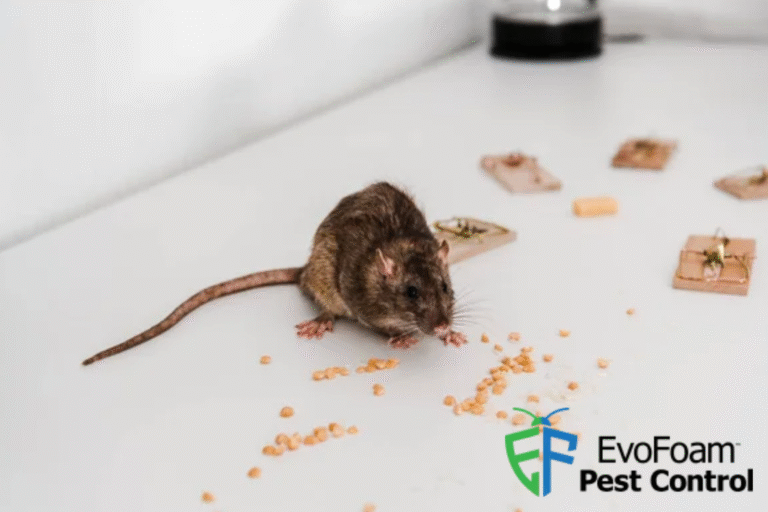
Yes, homeowners can use lower-impact methods to manage mice, starting with sealing entry points, removing food sources, and monitoring for signs of activity. Traps may also be appropriate in some situations, while natural repellents and ultrasonic devices should not be relied on as proven stand-alone solutions. The best approach combines practical prevention with carefully selected control methods that reduce unnecessary risks to people, pets, and other animals.
What Does Eco-Friendly Mouse Control Actually Mean?
Eco-friendly mouse control focuses on reducing unnecessary environmental exposure while addressing the conditions that allow mice to enter and remain in a home. Rather than relying on a single product labeled natural or green, homeowners should consider how well a method works, what risks it may pose, and whether it addresses the source of the problem.
A lower-impact approach generally prioritizes:
- Exclusion: Sealing suitable openings to prevent mice from entering.
- Sanitation: Removing accessible food, water, and materials that provide shelter.
- Monitoring: Checking for fresh droppings, gnaw marks, and other signs of activity.
- Targeted trapping: Using appropriate traps in locations where mice are active.
- Careful product selection: Considering potential exposure to children, pets, wildlife, and the surrounding environment before using any control product.
No method is completely risk-free in every situation. Even products marketed as natural can cause harm when misused, and some humane approaches may create additional challenges if captured animals are handled improperly.
The goal is to choose methods that are effective for the situation while avoiding unnecessary exposure and repeated interventions.
Which Mouse Prevention Methods Work Best?
Prevention is usually the most practical starting point because it reduces the opportunities mice have to enter a building. It also helps make other control methods more effective.
Seal Entry Points
Mice can squeeze through surprisingly small openings. Check gaps around exterior doors, window frames, utility lines, vents, and areas where different building materials meet.
Use durable materials suitable for the opening and its location. Soft materials alone may not withstand gnawing, so choose an appropriate rodent-resistant repair. Do not block required ventilation or interfere with electrical, plumbing, or drainage systems.
If you suspect mice are already inside, assess the situation before sealing every opening. Poorly planned repairs can trap animals in wall voids or other inaccessible spaces.
Remove Accessible Food Sources
Food left within reach can encourage mice to remain around a property. Store dry goods in secure containers, clean up crumbs and spills, and keep garbage in bins with tightly fitting lids.
If you feed pets, avoid leaving food out for extended periods. Inspect pantries, garages, and storage areas for torn packaging or other evidence of rodent access.
Reducing available food does not guarantee that mice will leave, but it can make the property less attractive and support a broader prevention plan.
Reduce Clutter and Sheltered Areas
Cardboard boxes, piles of paper, stored fabrics, and undisturbed spaces can provide nesting materials or hiding places. Keep storage areas organized and inspect items that have been left untouched for long periods.
Outside, maintain vegetation near the building and remove unnecessary debris where practical. Store firewood and other materials away from exterior walls when possible.
These steps make it easier to spot potential entry points and signs of activity without assuming that clutter alone causes an infestation.
Monitor for New Activity
After completing repairs and sanitation measures, continue checking areas where mice have been seen. Look for fresh droppings, gnaw marks, damaged food packaging, or other signs that activity may be continuing.
Monitoring helps determine whether the prevention measures are working or whether further investigation is needed.
Do Natural Mouse Repellents Like Peppermint Oil Work?
Peppermint oil and other essential oils are often promoted as natural mouse repellents. However, evidence that these products provide reliable, lasting control in homes is limited.
A strong scent may temporarily affect animal behavior under certain conditions, but that does not mean it will keep mice away from an entire room or prevent them from entering through an accessible opening.
Homeowners should keep several points in mind:
- Repellents do not seal entry points: Mice may continue entering if gaps and access routes remain available.
- Effects may be temporary: A scent that initially changes animal behavior may become less noticeable over time.
- Natural does not mean harmless: Concentrated essential oils can irritate people or pose risks to pets depending on the substance, exposure, and method of use.
- Evidence varies: Anecdotal reports do not establish that a product reliably prevents or eliminates an infestation.
If you choose to use an essential-oil product, follow its label and take appropriate precautions around children and pets. Do not apply concentrated oils to animals or assume that a homemade mixture is automatically safe.
For dependable prevention, prioritize exclusion, sanitation, and monitoring rather than treating essential oils as the main solution.
Are Ultrasonic Mouse Repellents Effective?
Ultrasonic devices are marketed as a way to deter mice using high-frequency sound. However, they should not be considered a dependable stand-alone method for controlling an established mouse problem.
The devices may produce sound that is not readily audible to humans, but marketing claims about their ability to eliminate mice or prevent them from entering a home should be treated cautiously.
Before purchasing one, consider the following:
- They do not close openings: Mice can still enter through gaps around doors, pipes, vents, and other building features.
- Results are uncertain: A device should not be assumed to produce consistent, lasting control throughout a home.
- They do not remove existing contamination: Droppings, damaged food packaging, and nesting materials still require appropriate attention.
- They may delay more useful action: Relying on a device can postpone repairs and other measures that directly address the problem.
If you already own an ultrasonic repellent, do not use it as a substitute for sealing entry points or investigating recurring signs of activity.
Are Humane Mouse Traps a Practical Option?
Live-capture traps are sometimes marketed as a humane alternative to conventional traps. However, their suitability depends on how they are used, how frequently they are checked, and what happens after an animal is captured.
A live trap does not automatically guarantee a humane outcome. Captured mice may experience stress, dehydration, injury, or exposure to unsuitable conditions if they are left unattended.
If you are considering live-capture traps, keep these factors in mind:
- Check traps frequently: Follow the product instructions and applicable animal-welfare guidance to avoid leaving a captured mouse confined for extended periods.
- Choose a suitable location: Place traps where they can be monitored and where children and pets cannot access them.
- Plan for handling: Avoid direct contact with captured mice, their urine, droppings, or nesting material.
- Understand local requirements: Rules and recommendations regarding the capture and release of wildlife or rodents can vary. Do not assume that relocating an animal a particular distance guarantees its survival or prevents it from returning.
- Address the entry route: Capturing a mouse does not prevent another from entering through the same opening.
If live capture creates uncertainty about safe handling or release, consider other appropriate control methods or seek professional guidance.
How Can You Keep Mice Out Without Relying on Repellents?
The most useful prevention plan addresses access, food, shelter, and evidence of ongoing activity together.
1. Inspect Doors, Windows, and Utility Openings
Check the lower edges of exterior doors, damaged window screens, gaps around utility penetrations, and accessible openings along exterior walls.
Repair damaged seals and use appropriate materials to close openings. If a gap is difficult to reach or involves electrical equipment, plumbing, or ventilation, consult a qualified professional.
2. Keep Food and Garbage Secure
Use tightly closed food containers and garbage bins. Clean up crumbs and spills promptly, and avoid leaving pet food outside overnight.
Inspect storage areas for damaged packaging and dispose of contaminated food safely.
3. Maintain Outdoor Areas
Trim vegetation that conceals exterior walls, remove unnecessary debris, and organize stored materials. These measures reduce sheltered areas and make potential access points easier to inspect.
They do not guarantee that mice will stay away, but they can support other preventive measures.
4. Use Traps Carefully When Needed
If there is evidence of active mouse activity, a suitable trap may help address the problem. Select and position traps according to the product instructions, and keep them inaccessible to children and pets.
Avoid handling captured rodents or contaminated materials without appropriate precautions. If activity continues, reassess the likely entry points rather than repeatedly relying on traps alone.
5. Clean Up Signs of Activity Safely
Droppings and nesting material may contain harmful pathogens. Do not sweep or vacuum droppings dry, as this can release contaminated particles into the air.
Follow current public-health guidance for rodent-dropping cleanup. If contamination is extensive, located in a difficult-to-access area, or associated with an inaccessible nest, consider professional assistance.
What Signs Suggest You Need a Different Approach?
Prevention measures may need to be reassessed if signs of mouse activity continue to appear.
Watch for:
- Fresh droppings: New droppings near walls, cupboards, food storage, or previously affected areas.
- Gnaw marks: New damage to packaging, wood, plastic, or other accessible materials.
- Scratching sounds: Repeated sounds in walls, ceilings, or storage areas that may indicate animal activity.
- Nesting materials: Shredded paper, fabric, or insulation gathered in sheltered spaces.
- Repeated sightings: Seeing mice repeatedly in the same area or finding signs in several parts of the home.
- Recurring contamination: Fresh droppings or damaged food packaging appearing after cleanup.
These signs do not always reveal how many mice are present or exactly where they entered. Look for patterns and investigate accessible openings rather than assuming a particular product has failed.
If activity continues despite reasonable prevention measures, a more thorough inspection may be needed to identify concealed access points or nesting locations.
When Should You Consider Professional Mouse Control?
Professional assistance may be useful when mice keep appearing despite exclusion and sanitation measures, when signs suggest activity in inaccessible spaces, or when you cannot identify how they are entering.
A qualified provider can assess the evidence, inspect accessible entry points, and recommend a control plan suited to the property. If lower-impact methods are a priority, ask the provider to explain the options, their limitations, and any precautions needed to protect people, pets, and non-target animals.
Homeowners researching pest control in Pflugerville, TX should look for a provider that can explain both prevention and removal rather than relying solely on products marketed as natural.
When comparing Pflugerville pest control services, ask whether the inspection includes likely entry points, food sources, and evidence of ongoing activity. A practical plan should address the cause of the problem and explain how progress will be monitored.
An exterminator in Pflugerville, TX, may be able to help when recurring mouse activity requires a closer inspection or when entry points are difficult to access safely. Ask about the recommended methods and how potential exposure to children, pets, and wildlife will be considered.
Professional rodent control can involve exclusion, monitoring, trapping, and other appropriate measures depending on the situation. The aim is to address the active problem while reducing the likelihood of further access, rather than relying on a single repellent or treatment.

Frequently Asked Questions
What is the most effective lower-impact way to keep mice out of a home?
Start by sealing suitable entry points, storing food securely, reducing clutter, and monitoring for new signs of activity. Traps may be appropriate when mice are already present. The most suitable combination depends on the property, the extent of activity, and the safety considerations involved.
Does peppermint oil reliably repel mice?
Peppermint oil is often promoted as a mouse repellent, but evidence that it provides reliable, lasting control is limited. It should not replace exclusion, sanitation, or appropriate trapping. Concentrated essential oils may also pose risks to people or pets if misused.
Do ultrasonic mouse repellents actually work?
Ultrasonic devices should not be relied on as a stand-alone solution for an established mouse problem. They do not seal entry points or remove food sources, and consistent, lasting results should not be assumed. Focus on prevention and appropriate control methods instead.
Are live-capture mouse traps humane?
Live-capture traps can cause stress or injury if mice remain confined for too long or are handled improperly. Frequent checks, safe handling, and an appropriate plan for dealing with captured animals are essential. Live capture does not guarantee a humane outcome in every situation.
How can homeowners reduce mouse activity without using rodenticide?
Focus on exclusion, secure food storage, sanitation, clutter reduction, and monitoring. Suitable traps may also be an option. If mice continue to appear or are nesting in inaccessible areas, seek professional advice about appropriate lower-impact control methods.
When should a homeowner seek professional mouse control?
Consider professional help when fresh signs continue to appear, entry points are difficult to locate, or activity occurs in inaccessible areas. A professional can assess the situation and explain suitable control options, including their limitations and relevant safety precautions.
Choose Practical, Lower-Impact Mouse Prevention
Lower-impact mouse control starts with understanding why mice are entering a home and addressing the conditions that support them. Sealing openings, reducing accessible food, maintaining clean storage areas, and monitoring for new activity are more dependable starting points than relying on unproven repellents. EvoFoam Pest Control can help homeowners explore practical prevention and control options when mouse activity persists.
If mouse activity continues or you need help identifying entry points, we can help you explore appropriate prevention and control options for your home. Contact us now to get started!
LEARN MORE HERE:
Signs That Mice Are Targeting Your Salado Home: What Every Homeowner Should Know
Protecting Your Round Rock Home From Rodents: How Landscaping and Ground Cover Impact Your Property