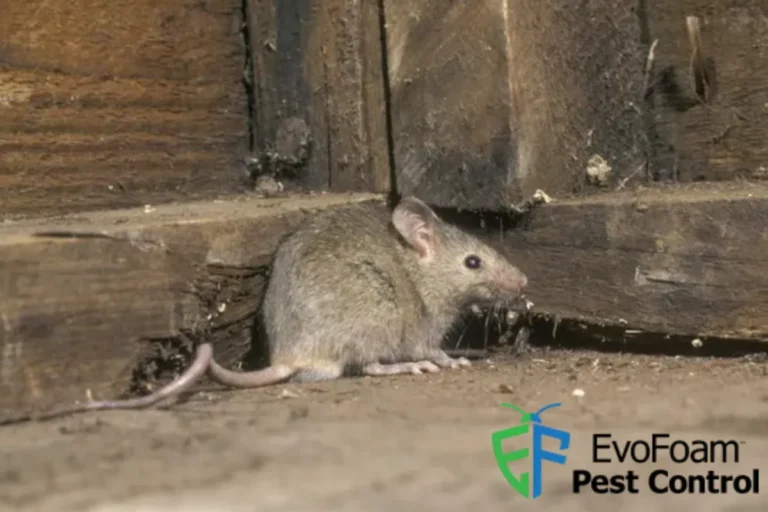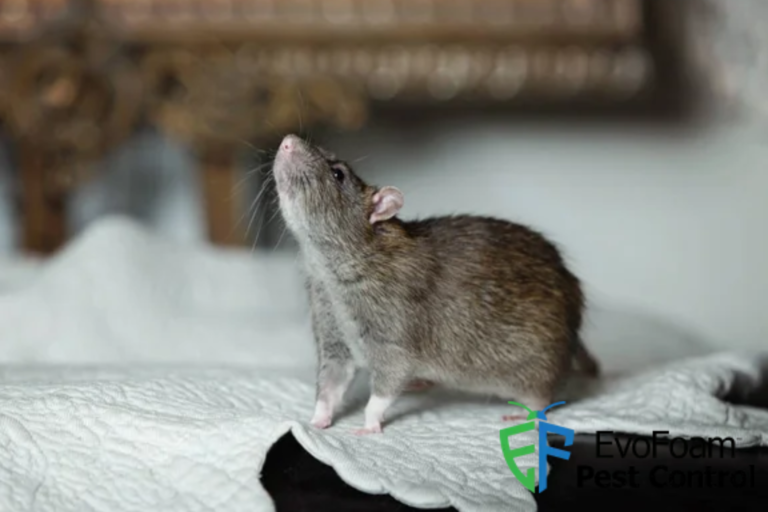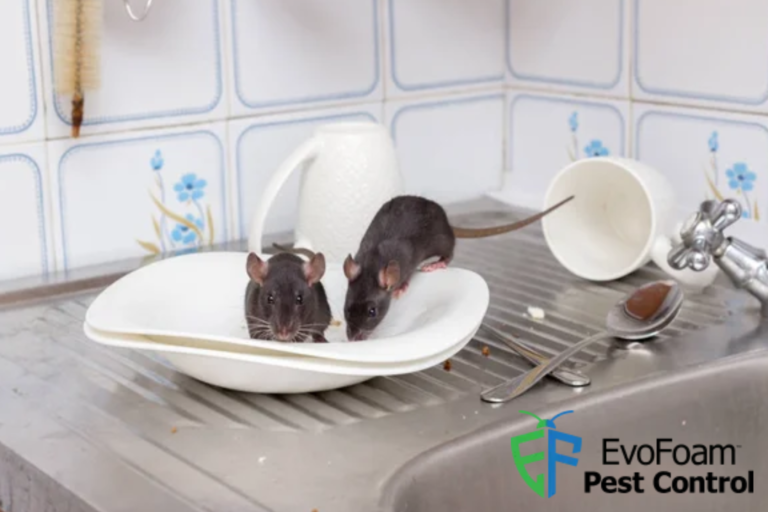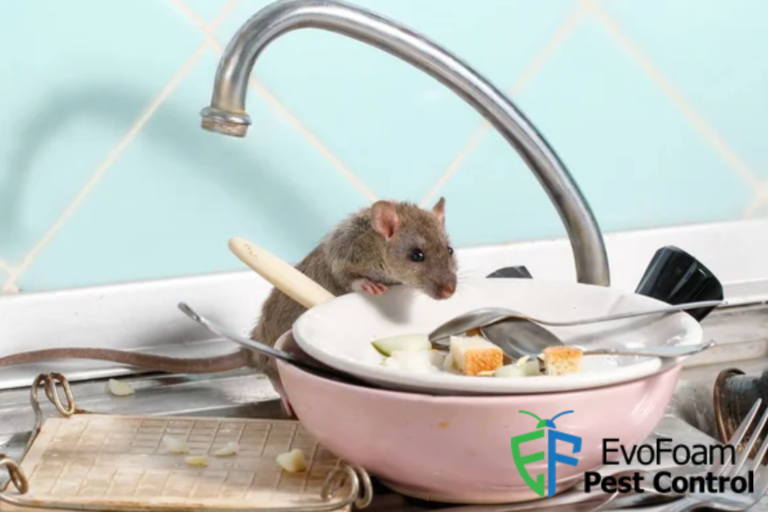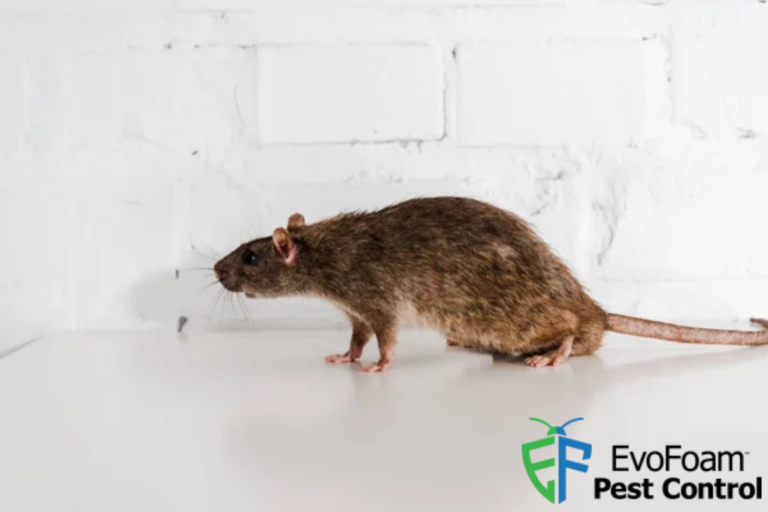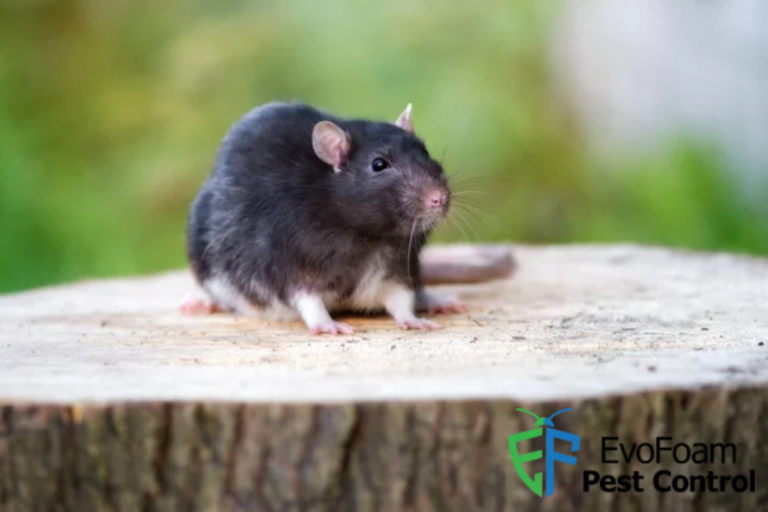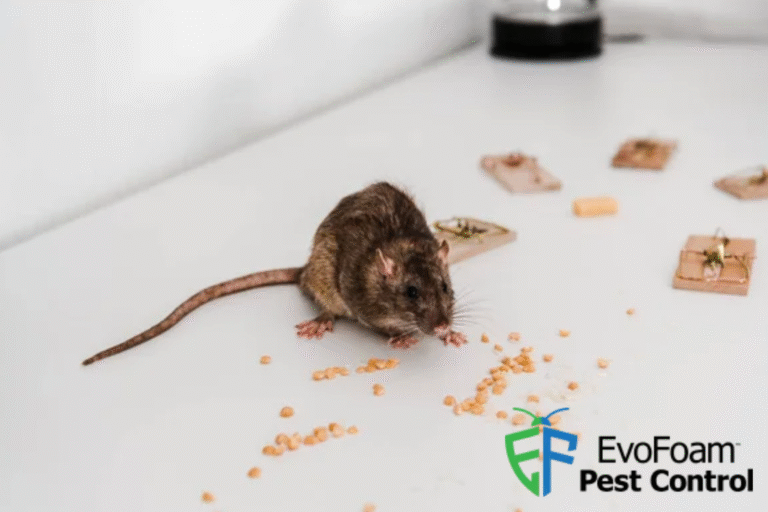
Finding droppings after rodent control does not always mean the treatment has failed. Old droppings can remain after rats and mice are gone, but new droppings, fresh gnaw marks, and continued rodent activity may indicate that the problem has not been fully resolved. Checking for new evidence and addressing entry points can help you determine whether further action is needed.
Why Might You Still Find Droppings After Rodent Control?
Rodent droppings can remain in attics, garages, cabinets, wall voids, and storage areas long after rodents have left. Treatment addresses the infestation, but it does not automatically remove every sign of previous activity.
The main question is whether rodents are still active. Look for new evidence, such as droppings appearing in previously cleaned areas, fresh damage to stored items, or recurring scratching sounds. These signs can help you decide whether to monitor the area or request another inspection.
Can Old Droppings Remain After Rodents Are Gone?
Yes. Droppings left behind in hidden spaces can remain after rodents have been removed. You might find them under appliances, behind boxes, along walls, or near food storage areas.
Finding old droppings alone does not prove that treatment failed. However, the area should be cleaned safely so you can check for new evidence.
Avoid sweeping or vacuuming dry droppings because this can put contaminated particles into the air. Follow public health guidance for safe cleanup, including appropriate disinfection, protective equipment, and disposal.
Could Rodents Still Be Hiding in the Property?
Rats and mice can move through attics, wall voids, crawl spaces, and other areas that are difficult to inspect. You may not see a rodent even when it is still active.
New droppings, fresh gnaw marks, and repeated scratching sounds can point to continued activity. Rodents may also return if openings around doors, utility lines, vents, or roof areas remain accessible.
For example, a homeowner may find that the visible signs in a kitchen have stopped, only to discover new evidence in a garage or attic. Checking more than one area can help reveal whether the problem has moved or continued elsewhere.
How Can You Tell Old Droppings From Fresh Droppings?
Appearance alone cannot reliably tell you how old droppings are. Their location and whether new evidence appears after cleanup can provide more useful clues.
| Sign | What It May Mean | What to Check |
| Droppings in an undisturbed area | They may be left from earlier activity | Look for other signs nearby |
| New droppings after safe cleanup | Possible ongoing rodent activity | Check nearby travel paths and entry points |
| Fresh gnaw marks or damaged packaging | Possible recent activity | Inspect storage areas and accessible gaps |
| No new signs over repeated checks | Activity may have declined or stopped | Continue monitoring and review entry points |
Use these signs as clues rather than proof. If you cannot tell whether the evidence is new, a professional inspection can help assess the situation.
What Signs Show That Rodent Control Is Working?
The clearest sign of progress is a decline in new rodent activity. The exact results depend on the infestation, the property, and whether the openings rodents use have been addressed.
Fewer New Droppings Appear
After safely cleaning an area, check it periodically for new evidence. If droppings stop appearing in places where rodents were previously active, that can be a positive sign.
Keep in mind that one clean day does not confirm that every rodent is gone. Rodents may remain hidden or use other parts of the building, so look for a pattern over time.
New Gnaw Marks and Damage Stop Appearing
Rats and mice may chew food packaging, wood, insulation, and electrical wiring. Existing damage can remain after treatment, so focus on whether additional damage develops.
If new gnaw marks or damaged items keep appearing, the property may still have rodent activity. A technician can inspect the affected area and look for nearby nesting spots or access points.
Scratching Sounds and Other Signs Decrease
Scratching or scurrying sounds in walls and ceilings can sometimes indicate rodent movement. You may also notice nesting material or repeated activity around storage areas.
If these signs stop alongside a decline in new droppings, treatment may be working. Still, the absence of noise or visible rodents does not guarantee that the infestation has ended.
How Long Should You Monitor After Treatment?
There is no single monitoring period that applies to every property. The time needed depends on the extent of the infestation, the rodent species, the treatment used, and whether entry points have been sealed.
Follow your Hutto pest control provider’s instructions for monitoring and follow-up. If new evidence continues to appear, share where and when you found it so the technician can decide whether another inspection or additional work is needed.
How Can You Check Whether Rodents Are Still Active?
You do not need to see a rat or mouse to notice signs of a possible infestation. A simple inspection routine can help you track changes and explain your concerns to a professional.
- Record where you find droppings. Note the room, cabinet, garage, attic, or other location.
- Clean the area safely. Follow public health guidance and avoid sweeping or vacuuming dry droppings.
- Check for new evidence. Look for fresh gnaw marks, damaged food packaging, nesting material, or recurring sounds.
- Review accessible entry points. Look for gaps around doors, utility lines, vents, and other openings. Do not enter unsafe spaces.
- Request a follow-up if signs continue. Tell your provider where new evidence appears and how it has changed since treatment.
This routine helps you compare current conditions with what you saw before treatment. It also gives the technician useful details when deciding what needs further attention.
Rodent Control vs. Rodent Exclusion: What Is the Difference?
Rodent control and rodent exclusion address different parts of an infestation. Control focuses on reducing or removing existing rodent activity, while exclusion aims to prevent rodents from entering or returning through accessible openings.
| Approach | Main Purpose | What It Addresses |
| Rodent control | Address existing activity | Rats, mice, and signs of an infestation |
| Rodent exclusion | Limit access to the building | Entry gaps, openings, and access routes |
| Monitoring and follow-up | Assess progress | New droppings, damage, and continued activity |
Why Is Exclusion Important After Rodent Control?
Removing rodents does not automatically close the openings they used to enter. If those gaps remain, other rodents may find their way inside.
Roof rats can climb trees and use elevated routes to reach buildings. Norway rats may use ground-level openings and, in some situations, damaged drain or sewer connections. The likely access route depends on the species and the property.
Professional exclusion involves identifying suitable openings and sealing them with appropriate materials. Pairing removal with exclusion helps reduce the chance of another infestation.
When comparing Hutto pest control options, ask whether the service includes an assessment of entry points, not just a plan for addressing the rodents already inside.
When Should You Request a Follow-Up Inspection?
Consider contacting your provider if:
- New droppings continue appearing after cleanup.
- Fresh gnaw marks or damaged packaging keep showing up.
- You still hear or see signs of rodent activity.
- Entry points have not been identified or addressed.
- You are unsure whether the evidence is old or new.
A follow-up inspection can help determine whether additional treatment, exclusion work, or continued monitoring is appropriate.
What Is the Biggest Myth About Droppings After Rodent Control?
Myth: Any Droppings Found After Treatment Mean It Failed
This is not always true. Old droppings can remain after rats and mice have been removed, so their presence alone does not confirm an active infestation.
The opposite assumption is also misleading. Not seeing droppings does not guarantee that rodents are gone, since they may be hidden or using another part of the building.
Instead, look at the full picture: newly appearing droppings, fresh damage, recurring sounds, and possible entry points. If you are unsure what the evidence means, ask a professional to assess it rather than relying on one sign.
Applying Our Refined Rodent Control Approach
EvoFoam Pest Control has refined its rodent control and exclusion service over more than eight years of protecting homes and businesses. Our approach brings together inspection, rodent removal, entry-point sealing, and attention to follow-up needs. Each step addresses a different part of the problem.
Inspection: Identify the Activity and Entry Points
Our team looks for droppings, gnaw marks, nesting areas, travel paths, and possible access points. The inspection also helps identify whether the problem involves rats or mice, since different rodents may use different routes and require different removal methods.
After assessing the property, our professionals explain their findings and recommend a plan based on the conditions observed.
Removal: Address Existing Rodent Activity
Once the likely rodent and affected areas have been identified, the team recommends treatment suited to the infestation. The approach depends on the species, the location of the activity, and the property’s conditions.
The aim is to address the rodents present rather than rely on a one-size-fits-all method. Treatment choices should also take the needs of the household or business into account.
Exclusion: Help Keep Rodents From Returning
Removal alone may leave a property vulnerable if rodents can still enter. EvoFoam Pest Control’s exclusion approach focuses on sealing suitable entry points to help prevent future rodent activity.
This is what the company means by future-proofed methods: looking beyond the immediate infestation and addressing the access routes that could allow the problem to return. No building can be guaranteed rodent-proof, but closing suitable openings can reduce the risk.
Environmental Responsibility and Fair Pricing
EvoFoam Pest Control describes its service as 99% green and emphasizes fair, affordable pricing. These principles reflect the company’s aim to balance practical pest management with environmental responsibility and clear guidance for customers.
The right treatment still depends on the inspection findings. Rather than assuming every property needs the same service, the team evaluates the problem and explains the options.
Follow-Up: Review New Signs
If droppings appear after treatment, note where you found them and contact your provider if new evidence continues. That information can help the team decide whether the area needs another inspection or additional work.
If you are looking for an exterminator in Hutto, TX, ask how the proposed service addresses both existing rodent activity and the openings that may allow rodents to return. Understanding those steps helps you make a more informed decision.
People Also Ask
Do rodent droppings remain after rats and mice are gone?
Yes. Droppings can remain in hidden areas after rodents have been removed. Their presence alone does not prove that rodents are still active, so look for new evidence and follow safe cleanup guidance.
How can I tell if rodent droppings are fresh?
Appearance alone is not a reliable way to determine age. Note where droppings appear, clean the area safely, and check whether new evidence develops alongside other signs of activity.
Should I clean up droppings before checking for more?
Yes, but use appropriate precautions. Avoid sweeping or vacuuming dry droppings, and follow public health guidance for disinfection, protective equipment, and disposal. Monitoring the area afterward can help you notice new evidence.
What should I do if I keep finding droppings after treatment?
Record where and when you find them, look for other signs of activity, and contact your pest control provider if new evidence continues to appear. A follow-up inspection can help determine whether more treatment or exclusion work is needed.
Can rodents return after professional rodent control?
Yes. Rodents may return if entry points remain open. Sealing suitable openings and reviewing food storage and sanitation can help reduce the risk of another infestation.
Does finding no new droppings mean the infestation is gone?
Not necessarily. A decline in new evidence is encouraging, but rodents can remain hidden. Continued monitoring and a professional inspection can provide a clearer assessment.
Confirm the Results and Help Prevent Rodents From Returning
Finding droppings after treatment can be frustrating, but it does not automatically mean the work failed. Old droppings may remain, while new droppings and fresh damage can point to continued activity. Monitoring the evidence and addressing entry points are important parts of assessing the results.
If you still see signs of rodents, EvoFoam Pest Control can help you understand your next steps. Our team provides rodent control and exclusion for homes and businesses, with a focus on careful inspection, practical prevention, environmentally responsible service, and fair pricing.
Visit our rodent control and exclusion page or call us today to request a consultation. If you know someone dealing with recurring rodent activity, share these tips to help them recognize the signs and make informed decisions.