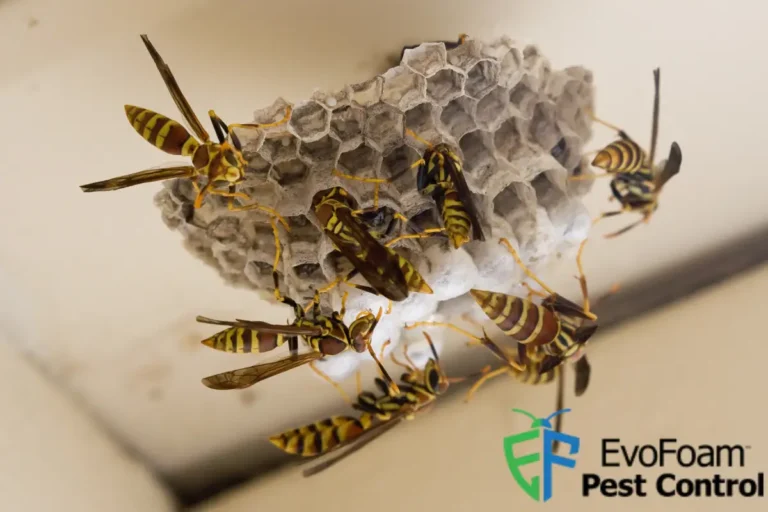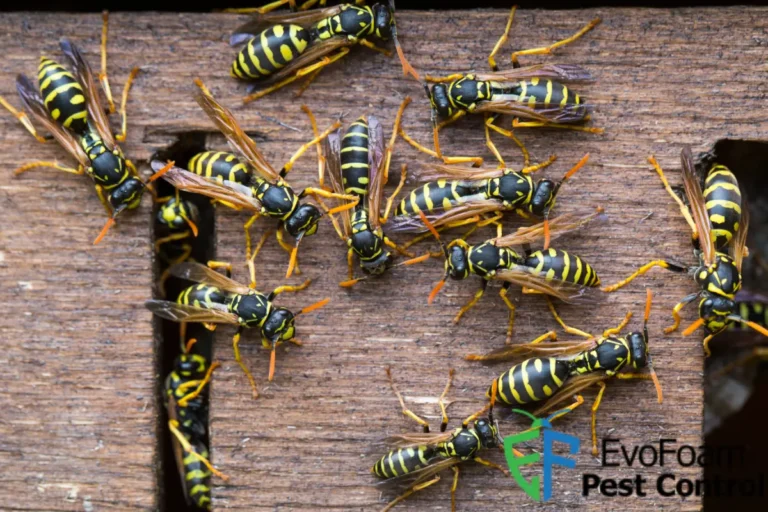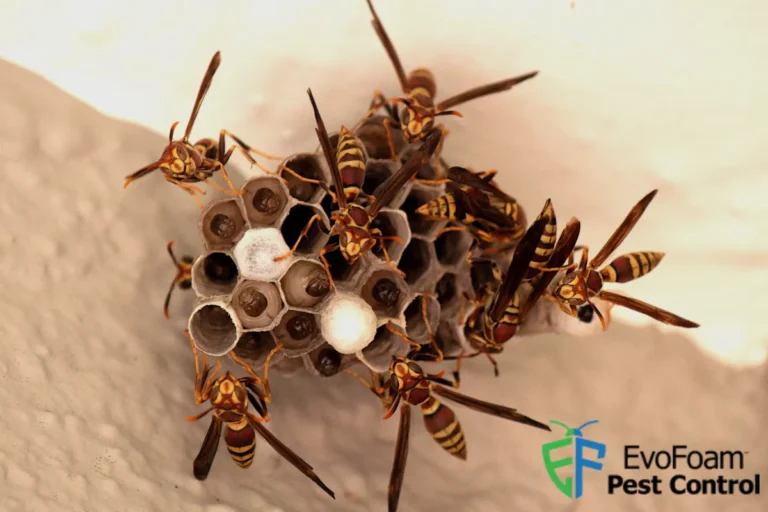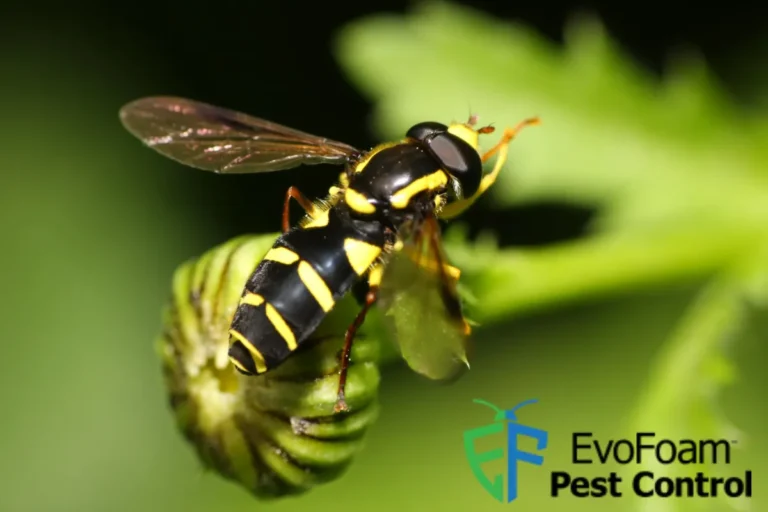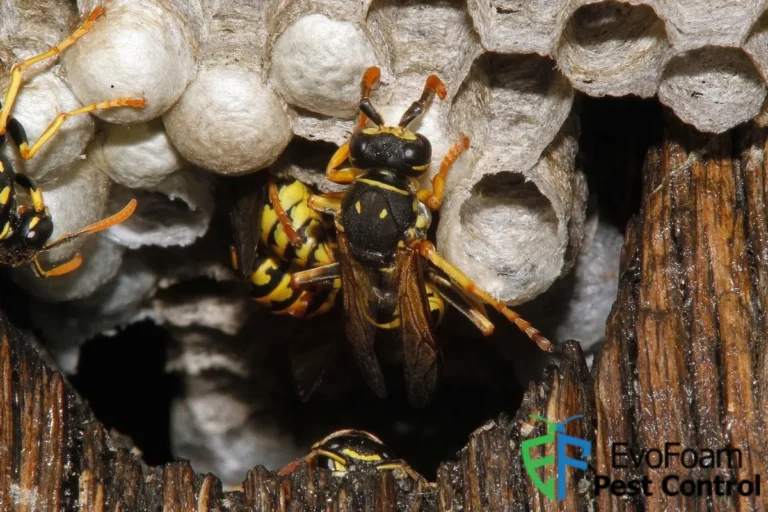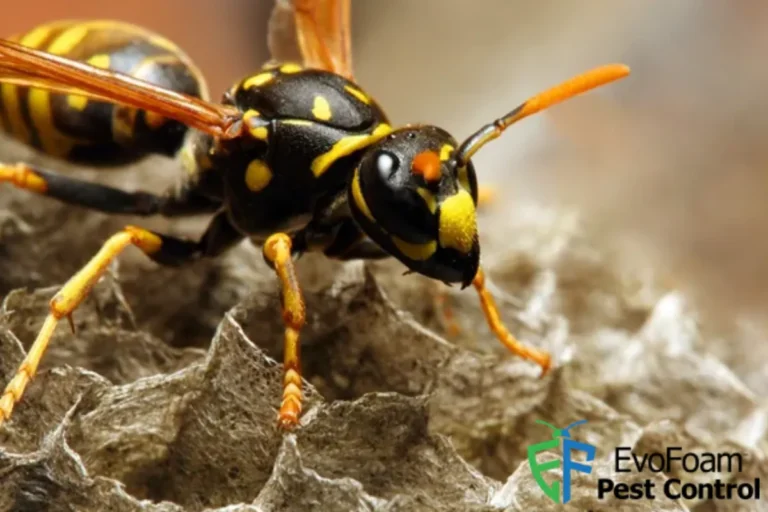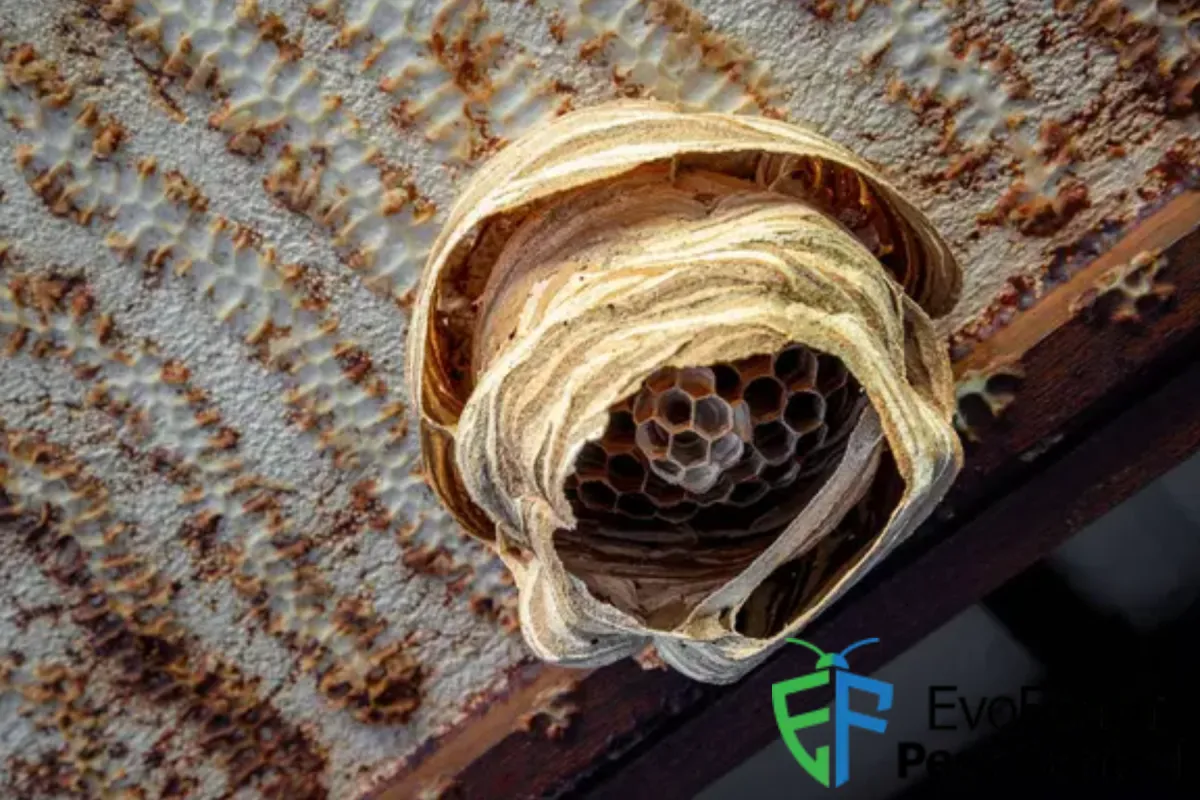
To quickly tell the difference between a paper wasp and a yellow jacket nest, look closely at its shape and location. Their nests are completely open-faced, umbrella-shaped structures with visible honeycombs that hang from a single stalk in elevated areas, such as roof eaves. In contrast, yellow jacket nests are fully enclosed in a thick, paper-mache shell with only one tiny entry hole, and they are usually built underground or hidden inside wall cavities.
Scouting Local Stinging Insect Activity
Finding a stinging insect nest around your yard is a safety hazard that requires quick action. While both are common in Central Texas, they behave differently, pose varying levels of risk, and require distinct wasp control strategies. Misidentifying the nest can lead to failed treatment attempts or, worse, an aggressive swarm of stings. Understanding these structural differences is the first step toward clearing your outdoor space safely.
When you need reliable help, partnering with a professional exterminator in Taylor, TX ensures the job gets done right without compromising your safety. During a recent structural property audit for a home in one of our local neighborhoods, our team spotted both species nesting within twenty feet of each other. This gave us a perfect chance to show the homeowner how these two insects build their homes. Let us break down how to tell them apart.
Nest Identification: Quick Comparison
The easiest way to tell these nests apart from a safe distance is to look at the overall shape, layout, and placement. Yellow jackets build massive colonies covered by a thick protective wall, while paper wasps build small, open-air nurseries. Use this quick comparison table to help identify the nest you found on your property.
| Feature | Paper Wasp Nest | Yellow Jacket Nest |
| Visual Shape | Open, umbrella-shaped comb with all cells visible. | Round or oval balloon-like structure completely closed off. |
| Nest Location | Always above ground on eaves, porch ceilings, or railings. | Mostly underground in old rodent holes or hidden inside walls. |
| Outer Shell | None. The individual egg chambers are entirely exposed. | Yes. A thick, layered paper-mache casing hides the interior. |
| Attachment Point | Suspended from a single, thin, tough paper stalk (pedicel). | Anchored broadly to wide flat surfaces or built to fill dirt voids. |
| Average Population | Small colonies, usually housing between 20 and 100 wasps. | Massive colonies, housing anywhere from 1,000 to 5,000+ pests. |
| Aggression Level | Generally peaceful unless you touch them or get too close. | Highly aggressive; will chase threats over long distances. |
Key Structural Specifications
Stinging insects are master architects. The way they mix raw materials and lay out their nurseries can tell you exactly who lives inside. If you find an old, inactive nest or want to inspect one safely from afar, keep these specific design features in mind.
- Paper Wasp Nest Architecture: These insects build their nests by chewing weathered wood fibers from fences and decks, mixing them with their saliva to form a light grey or brownish paper. The nest is a single, horizontal layer of hexagonal cells that looks like an upside-down umbrella. Because it lacks an outer wrapper, you can see every egg and larva directly inside the cells. These nests remain small all season and are almost always glued to a sturdy overhead beam.
- Yellow Jacket Nest Architecture: Yellow jackets chew up decaying logs, bark, and garden mulch to form a dark grey, tan, or multi-colored wood pulp casing. Inside this brittle, football-shaped outer shell are multiple tiers of hidden combs. The entire structure is sealed up tight except for one small, circular opening near the bottom where workers fly in and out. Because these colonies grow fast, an underground nest can expand to the size of a basketball by late summer.
Step-by-Step Guide: How to Safely Inspect a Nest
Getting too close to an active nest during the day can cause an immediate attack, especially if you are dealing with yellow jackets. If you need to identify what kind of pest is living on your property, always use this cautious, step-by-step approach to keep yourself safe.
- Observe From a Distance: Never walk right up to a suspected nest. Use binoculars during the bright daytime hours to look at the shape of the structure from at least fifteen to twenty feet away. Note whether you can see open cells or a smooth, enclosed shell.
- Track the Flying Traffic: Watch the insects’ flight paths for a few minutes. If they are flying directly into a tiny hole in your lawn, garden bed, or a seam in your home’s exterior siding, you are dealing with a hidden yellow jacket nest. If they are landing directly on an exposed comb under your roof line, it is a paper wasp nest.
- Perform Closer Checks at Night: If you must get a closer look to confirm the location, always wait until a few hours after dark when the insects are resting and inactive. Use a flashlight fitted with a red filter lens. Stinging insects cannot see red light waves well, so they will not realize you are there, keeping you safe from sudden stings.
Debunking the “Color Code” Myth
The Myth: You can instantly tell what kind of stinging insect built a nest simply by looking at the color of the paper pulp.
Many homeowners believe that light grey nests always belong to paper wasps and darker tan or brown nests always belong to yellow jackets. This is a common industry misunderstanding. In reality, the color of the nest has absolutely nothing to do with the species of the insect. It depends entirely on the specific wood sources available near your yard.
If a paper wasp chews on an old, sun-bleached grey cedar fence, the nest will turn out bright grey. If a yellow jacket collects fibers from fresh cedar mulch or a damp, dark log, their nest will feature dark brown and tan bands. Never rely on color alone to choose your pest control strategy. Always look at the nest’s physical shape, layout, and location to obtain an accurate identification.
How We Solve This: Our Targeted Elimination Process
When you notice dangerous flying pests around your yard, you do not have to guess or risk getting stung. As a trusted Taylor exterminator, we use a specialized, eco-conscious process to handle infestations safely, quickly, and cleanly. We never use messy, generic, harsh treatments that harm the environment. Instead, we customize our approach to match the exact species living on your property.
We inspect your property to find hidden breeding sites, flight paths, and structural gaps before choosing the right treatment. For exposed paper wasp combs, we treat the stalks directly with advanced aerosol or dust tools, while hidden yellow jacket colonies are handled with eco-friendly foam that expands into the nesting cavity to safely knock down the colony. Every service is backed by our 100% satisfaction guarantee, so if the pests return, we come back at no extra cost.
People Also Ask
Are paper wasp nests or yellow jacket nests more dangerous?
Yellow jacket nests are much more dangerous. Because they hold thousands of insects and are often built underground, you can easily step on them by mistake while mowing the lawn. When disturbed, yellow jackets defend their home fiercely in large, aggressive swarms, and each insect can sting you multiple times.
Will wasps or yellow jackets reuse their old nests next year?
No, they never reuse an old nest. In the late autumn, the freezing weather kills off the entire colony except for the newly fertilized queens. These queens leave the nest to hibernate under tree bark or inside warm attic insulation. In the spring, they wake up and build a brand-new nest from scratch.
Can I treat a yellow jacket nest with a regular garden hose?
No, you should never try to flood a yellow jacket nest with a hose. Water rarely reaches all the deep, hidden layers of an underground nest. It will only make the colony angry, causing them to swarm out fast and attack anyone standing nearby.
What is the best way to control wasps safely in Central Texas?
The safest method is to hire a professional exterminator. Working with certified professionals ensures you get a comprehensive solution, without putting your family or pets at risk.
Protect Your Home with EvoFoam Pest Control
At EvoFoam Pest Control, we are your dependable, eco-conscious, and innovative partner for advanced wasp solutions. We believe in combining smart pest control innovation with real environmental responsibility. We always prioritize your family’s safety and peace of mind, using effective methods that keep your property safe and comfortable.
Our unique, eco-friendly foam treatments target hard-to-reach areas, delivering better, more sustainable results than traditional green and safe pesticides. Whether you need expert pest control in Taylor, TX, or simply want a team you can trust to protect your yard, we are here to help you breathe easy again.
Do not let stinging pests take over your outdoor spaces. Contact us today to learn more about our sustainable solutions or to book an expert consultation for your property. Share our eco-friendly solutions with neighbors and friends who want safe, reliable pest protection!