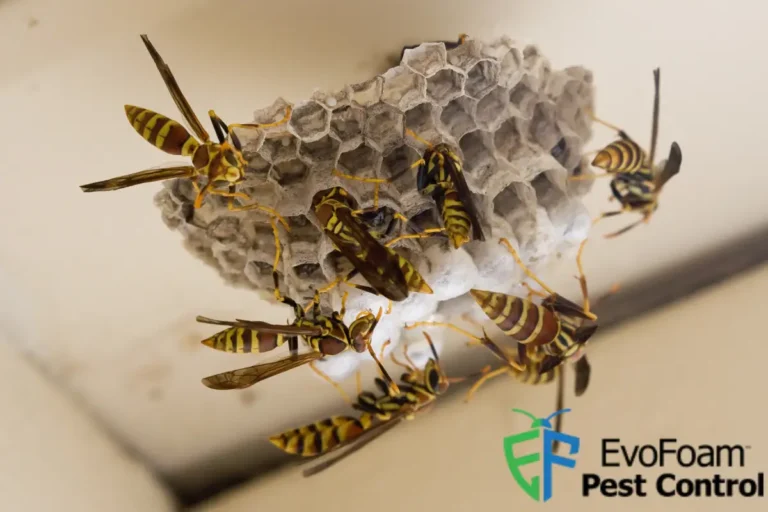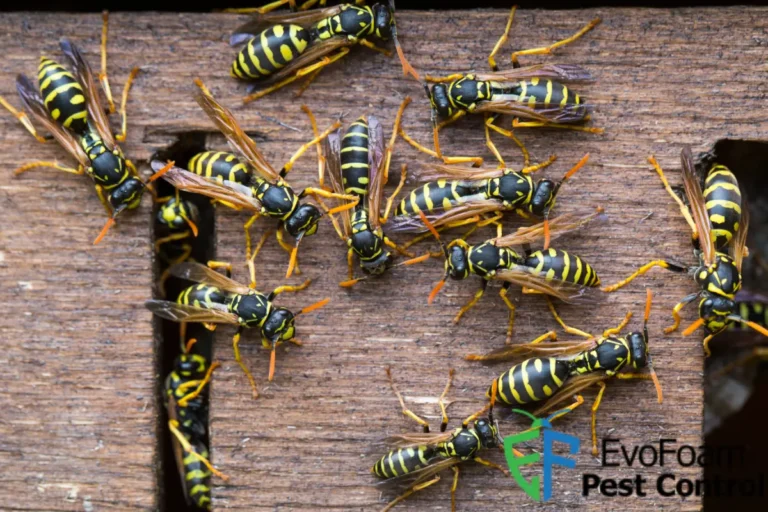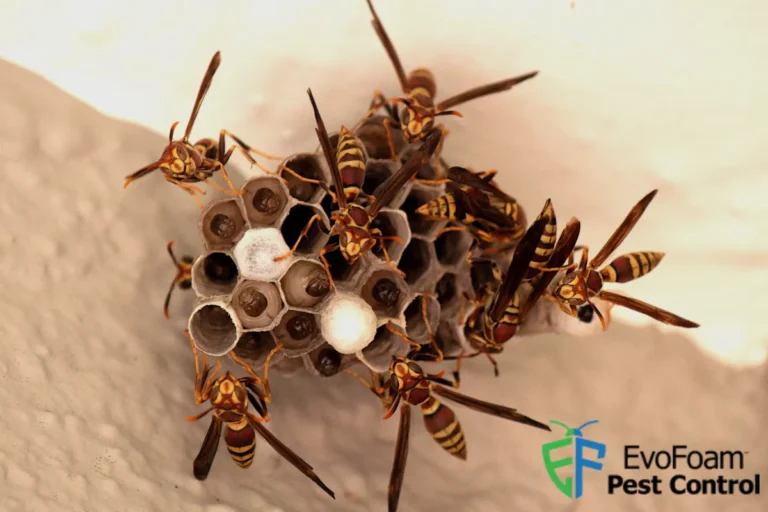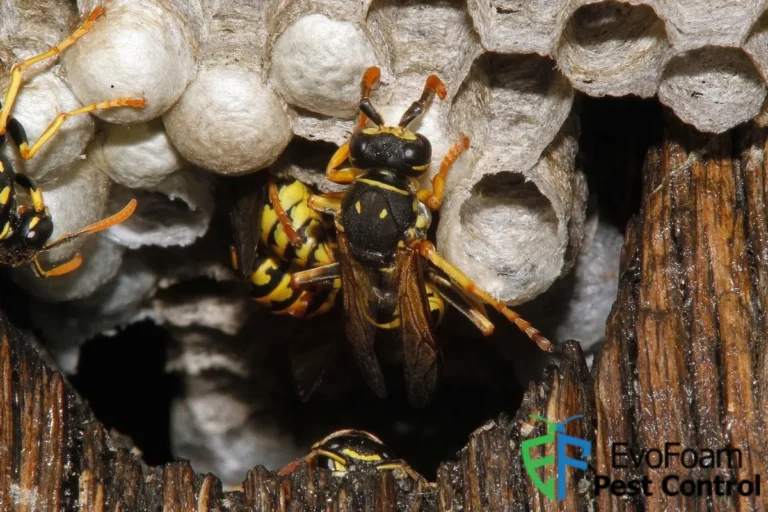
Early wasp control is important because addressing nests during early spring targets a solitary queen before she produces hundreds of aggressive worker wasps. Eliminating nests when they are small prevents severe defensive stinging hazards, reduces structural damage to eaves and drywall, and avoids costly, complex late-season extermination procedures.
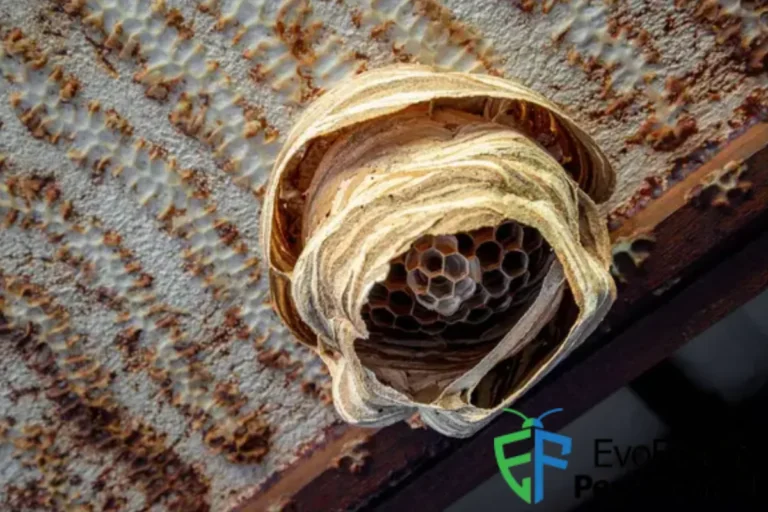
Early spring brings warmer weather, blooming flowers, and outdoor relaxation, but it also marks the beginning of wasp season. Spotting a tiny, golf-ball-sized gray comb tucked beneath your roofline might not seem like an urgent problem at first. However, that small paper structure represents a crucial window of opportunity for effective, low-risk pest management.
In the early months of warm weather, a single queen wasp works alone to construct her nest and raise her first tiny brood. As summer approaches, those newly hatched worker wasps take over nest building and colony defense, causing the population to explode into hundreds or even thousands of defensive stinging insects.
Waiting until late summer turns a simple, minor removal job into a high-risk situation. Large colonies actively protect their brood, swarming fiercely at the slightest disturbance and making outdoor spaces dangerous for families, pets, and neighbors.
Understanding why early intervention matters helps you protect your home before small nests transform into aggressive summer colonies. Here is a clear breakdown of how early nest neutralization works, why DIY removal methods fail, and how modern foam applications eliminate stinging pests safely.
Early Spring Wasp Nests vs. Late Summer Colonies: Risk & Complexity Comparison
Comparing small spring combs to fully developed summer colonies demonstrates why early action is essential for outdoor safety and peace of mind.
During a recent home inspection for a property in Austin, our technicians spotted a newly formed paper wasp comb under a back deck railing. Because the nest was still small and managed by a solitary queen, our team removed it in minutes, stopping a major stinging hazard before summer outdoor gatherings began.
Here is how early spring nests compare to late summer colonies when planning for wasp control:
| Evaluation Factor | Early Spring Wasp Nests (1–10 Wasps) | Late Summer Wasp Colonies (100–5,000+ Wasps) |
| Colony Leadership & Dynamics | Solitary founder queen tending first brood | Highly organized hierarchy with defensive guard workers |
| Aggression & Defensive Behavior | Low; queen prioritizes egg protection over attack | Extreme; workers swarm fiercely to defend established brood |
| Nest Size & Structural Reach | Golf-ball size; surface-mounted under rooflines | Basketball size or larger; deep inside wall voids or attics |
| Extermination & Removal Risk | Minimal stinging threat; fast micro-treatment | High risk of mass swarming, painful stings, and property damage |
| Cost & Treatment Complexity | Low-cost preventative flush or localized removal | Complex multi-stage void treatment or structural opening |
The 5-Step Early Wasp Nest Inspection & Neutralization Process
Safely eliminating wasp nests requires a structured approach that targets hidden harborages and prevents secondary queens from rebuilding on the same site.
1. Perimeter Eaves & Overhang Micro-Audit
Licensed technicians inspect rooflines, window frames, deck undersides, and attic vents during cool morning hours. They identify small umbrella combs, mud tubes, or paper structures before worker populations surge.
2. Species Identification & Behavioral Assessment
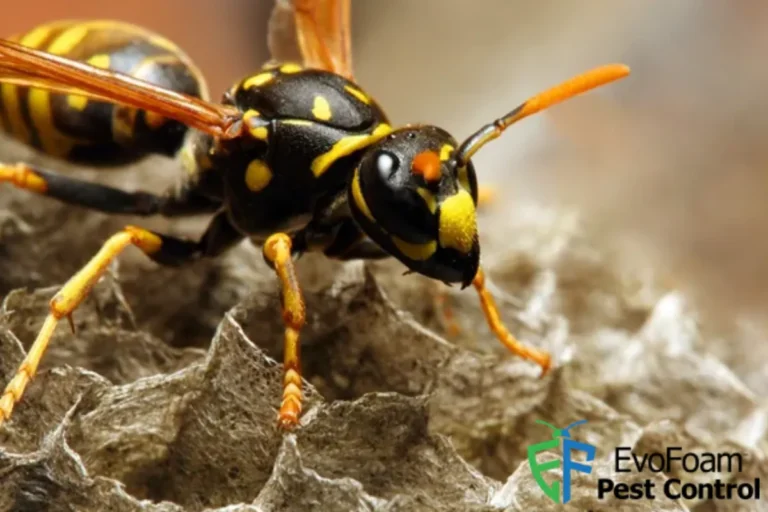
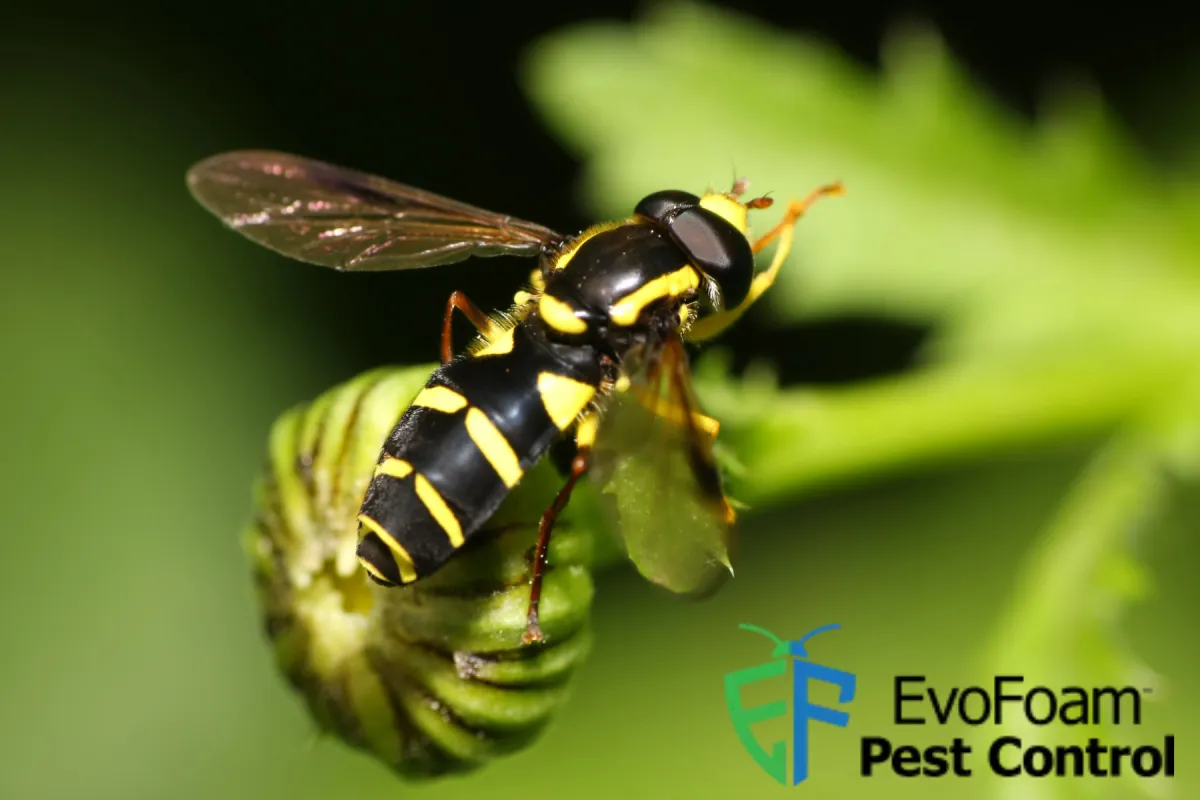
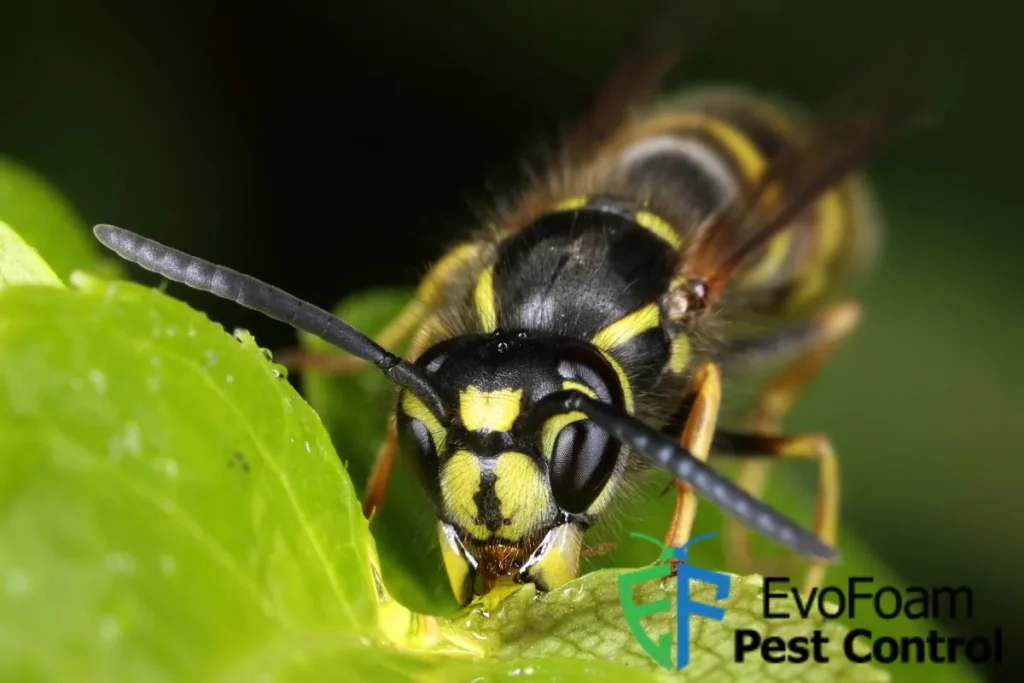
Technicians distinguish between paper wasps, yellowjackets, and hornets. Identifying whether nests are open-faced or built inside wall voids determines the safest application method.
3. Targeted Micro-Foam or Direct Injection Application
Technicians apply specialized treatments directly into active nest openings. Expanding formulas coat the internal comb structure completely, neutralizing the founding queen and her brood on contact.
4. Safe Structural Comb Scraping & Surface Cleaning
Technicians safely detach the neutralized paper comb from structural surfaces. Cleaning the mounting spot removes chemical scent markers that attract other fertile queens.
5. Preventative Entry Point Exclusion & Sealing
Technicians seal exterior gaps, soffit vents, and brick weep holes using durable mesh or silicone sealant. Applying protective residual barriers along high-risk eave zones deters secondary nest building.
Applying Our EvoFoam Nest Neutralization Method to Solve This
At EvoFoam Pest Control, we believe protecting your home should be effective, sustainable, and completely dependable. As a trusted Austin exterminator and eco-conscious partner for Central Texas homeowners, we prioritize non-toxic, eco-friendly methods that deliver lasting relief while protecting your family, pets, and the environment.
Here is how our proprietary EvoFoam Nest Neutralization Method eliminates stinging threats safely:
When dealing with hidden nests, traditional liquid applications often drip off vertical surfaces or run out of wall voids before reaching the comb core. That is why we rely on advanced foam treatments that expand up to 30 times their liquid volume. These expanding foams fill entire wall gaps and eave pockets, coating hidden paper combs and neutralizing guard wasps deep inside structural voids.
We deliberately avoid liquid treatments around delicate outdoor structures, as heavy liquids can stain siding, cause runoff into garden beds, or fail to reach elevated roof voids. For tight cracks, hollow fencing, and attic gaps, we utilize precision aerosol or dust applications that float deep into hidden cavities to create a long-lasting barrier.
Every service we perform comes backed by our 100% satisfaction guarantee, giving you total peace of mind that if wasps return, so do we. While assisting a family in Austin whose kids could not play in the yard due to eave nests, our exterminator in Austin, TX applied our precision foam technology, safely eliminating the active nests so the children could enjoy their backyard again.
Debunking the Myth: “Knocking Down a Small Wasp Nest with a Broom Solves the Problem”
A common myth among property owners is that knocking down a small paper comb with a broom or water hose resolves the wasp issue permanently.
Here is why physical knockdown without treatment fails:
- The Queen Survival Problem: Swatting down a paper comb leaves the founding queen unharmed. She will simply relocate a few feet away, often selecting a more hidden, hard-to-reach void space inside your attic or soffit gaps.
- Pheromone Signal Attraction: Intact comb anchors leave behind strong chemical scent markers (pheromones). Even if you knock down the visible paper comb, returning wasps and new fertile queens locate these lingering markers and rebuild active nests on the same spot.
- Unexpected Swarming Hazards: Knocking down a nest during warm daylight hours agitates hidden guard wasps. Agitated wasps release alarm pheromones that trigger immediate defensive stinging attacks against anyone standing nearby.
Technical Specifications & Feature Glossary
Understanding key pest management terms helps you choose the safest defense strategy for your outdoor living areas:
Founding Queen
A fertilized female wasp that survives winter hibernation to build a small spring comb, lay the first egg batch, and raise initial worker offspring.
Paper Comb (Petiole & Cells)
A hexagonal cell structure crafted from chewed wood fibers and saliva, anchored to overhangs by a thin stem called a petiole.
Pheromone Marker
Chemical scent secretions left on structural surfaces by queens to signal nest locations and attract nestmates.
Non-Repellent Treatment
Undetectable green and safe pesticides that allow foraging wasps to contact treated combs without triggering alarm pheromones or defensive swarming.
People Also Ask (FAQ)
Why are wasps so much more aggressive in late summer than in early spring?
In early spring, a solitary queen focuses on nest construction and egg laying. By late summer, large colonies contain thousands of hungry workers fiercely defending established broods while competing for limited natural food sources.
What is the best time of day to neutralize a small wasp nest?
Early morning or late evening is best because cooler temperatures make wasps sluggish, and nearly all colony members, including the queen, are resting inside the comb structure.
Will knocking down a small wasp nest in spring force wasps inside wall voids?
Yes. If a visible surface nest is knocked down without proper treatment, the surviving queen often seeks shelter inside protected structural gaps like attic vents, soffit openings, or brick weep holes.
When should I hire an exterminator for wasp removal?
You should call an expert as soon as you spot paper combs under rooflines or notice wasps entering wall cracks. Partnering with a skilled exterminator ensures nests are neutralized safely using deep-void foam methods before worker populations explode.
Protect Your Family with Timely Spring Wasp Control
Waiting until mid-summer to deal with growing wasp nests turns a minor fix into a hazardous, complex project. Early spring intervention stops founding queens, prevents aggressive swarming, and preserves your home’s exterior integrity.
At EvoFoam Pest Control, we are proud to offer advanced, eco-friendly solutions that give Central Texas homeowners complete confidence and peace of mind. Our friendly, professional team targets hard-to-reach areas using specialized foam technology that delivers superior results without relying on harsh traditional methods.
Whether you need targeted pest control in Austin, TX, or a complete home inspection, our team is ready to help. If you want a dependable technician who prioritizes safety and environmental responsibility, trust our experts to keep your outdoor spaces comfortable and pest-free.
Ready to protect your eave lines and enjoy a safe, sting-free outdoor space?
Contact us today to schedule your consultation or treatment, and feel free to share our eco-friendly solutions with friends and neighbors!