Professional cockroach control finds hidden roaches by inspecting common hiding places, looking for signs of activity, and identifying the species. Technicians check behind appliances, inside cabinets, around plumbing, and near cracks and crevices. These findings help them choose a treatment plan that addresses the infestation rather than only the roaches you can see.
Why Do Cockroaches Hide Behind Walls and Appliances?
Cockroaches seek dark, sheltered spaces where they can find food, moisture, and protection. They can squeeze through small gaps and remain out of sight during the day, making an infestation difficult to spot early.
Refrigerators, stoves, dishwashers, and kitchen cabinets can provide suitable hiding places. Crumbs, grease, food residue, and moisture can attract roaches to these areas. Gaps around pipes, cabinets, and baseboards may also give them places to hide.
Cockroaches are usually more active at night. If you begin seeing them during the day, the infestation may be crowded, or the roaches may have been disturbed. Daytime sightings alone, however, do not confirm how severe the problem is.
What Signs Suggest Cockroaches Are Hiding Nearby?
You may notice several clues before finding the actual hiding place:
- Droppings: Small, dark waste deposits near cabinets, appliances, or wall edges.
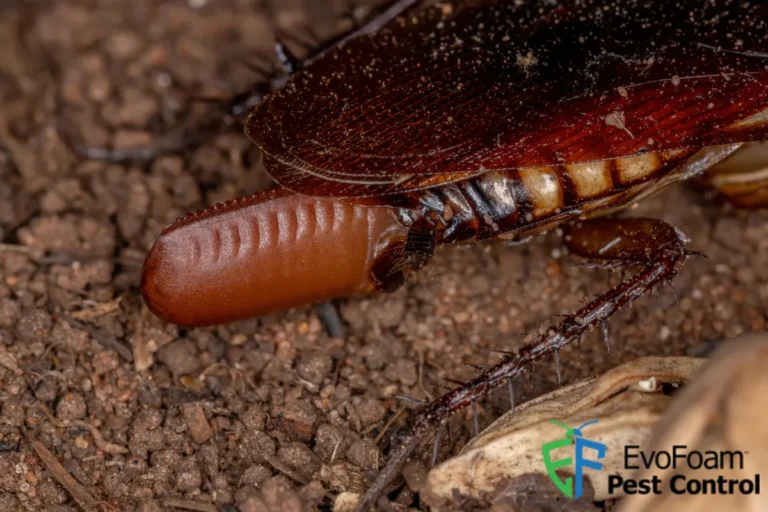
- Egg cases: Protective cases that contain cockroach eggs.
- Shed skins: Outer coverings left behind as cockroaches grow.
- Unusual odors: A musty smell may develop in areas with heavy activity.
- Repeated sightings: Seeing roaches near the same appliance or cabinet may point to a nearby hiding place.
These signs help narrow down where to inspect, but none confirms the exact location on its own. Professional cockroach control technicians consider the evidence together to decide which areas need closer attention.
How Does Professional Cockroach Control Find Hidden Roaches?
Finding hidden cockroaches takes more than checking the places where you have already seen them. EvoFoam Pest Control identifies the species and assesses the signs of activity before choosing a treatment approach.
The inspection process generally includes these steps:
- Inspect common hiding places. Check behind and beneath appliances, inside cabinets, around sinks, and along baseboards.
- Look for signs of activity. Droppings, egg cases, shed skins, and repeated sightings can point to areas that need attention.
- Check accessible cracks and gaps. Examine spaces around cabinets, plumbing, and appliance connections.
- Identify the cockroach species. Determine whether the infestation involves German, American, Oriental, or brown-banded cockroaches.
- Assess food and moisture sources. Look for leaks, grease, food residue, and other conditions that may support the infestation.
- Choose a suitable treatment. Use the inspection findings to guide the next steps and determine whether follow-up visits are needed.
This process helps the technician focus on likely hiding areas instead of treating only the spots where roaches appear in the open.
Can Technicians Find Cockroaches Inside Walls?
Cockroaches may use wall voids and narrow gaps for shelter, but seeing a roach near a wall does not prove that it lives inside the wall.
Exterminators in Austin, TX can look for nearby signs, such as droppings, repeated sightings around openings, or activity near plumbing and cabinets. These clues can help narrow down the likely source.
Some spaces are difficult to inspect directly without opening part of a structure. A technician can assess the surrounding area and determine whether further investigation is needed. Avoid opening walls or dismantling electrical equipment yourself to search for pests.
Where Do Cockroaches Commonly Hide Inside a Home?
Cockroaches often settle near food, moisture, and sheltered spaces. Knowing where they tend to hide can help you recognize possible signs of an infestation.
| Hiding Place | Why Roaches May Gather There | Signs to Look For |
| Behind refrigerators | Warmth, crumbs, and nearby moisture | Droppings or live roaches |
| Under stoves | Grease, food residue, and narrow gaps | Egg cases and repeated sightings |
| Beneath sinks | Moisture and gaps around pipes | Droppings or activity near plumbing |
| Inside cabinets | Food storage and sheltered corners | Shed skins and dark specks |
| Along baseboards | Small gaps provide cover | Repeated sightings near edges |
| Behind dishwashers | Concealed spaces and nearby plumbing | Signs of activity around openings |
Do not move heavy appliances or take apart equipment unless you can do so safely. A professional can inspect difficult areas and recommend the next steps.
Why Does Identifying the Cockroach Species Matter?
Different cockroach species have different habits, so identifying the pest helps determine which treatment is appropriate.
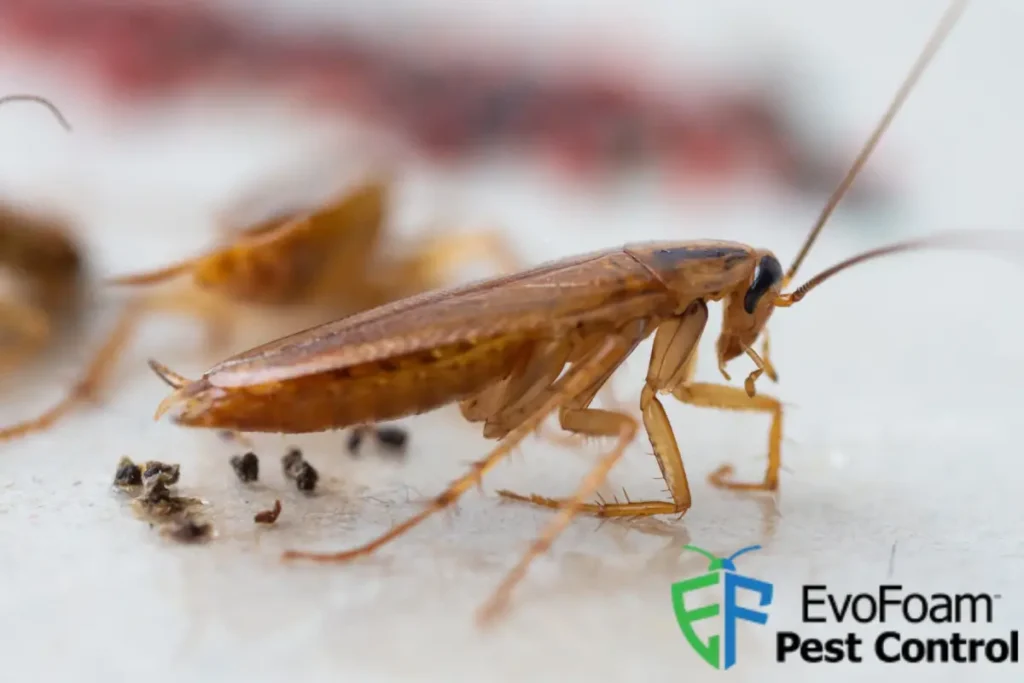
German cockroaches are especially troublesome because they reproduce quickly and can build up large populations. They often hide near food and moisture, including behind appliances, inside cabinets, and around plumbing.
American, Oriental, and brown-banded cockroaches have different habits and may require different treatment approaches. EvoFoam Pest Control identifies the species before developing a treatment plan rather than assuming every infestation is the same.
How Does Cockroach Control Differ From DIY Treatment?
DIY products may affect roaches in visible or accessible areas, but they may not reach the places where the infestation is established. Professional treatment begins by identifying the pest and its likely hiding places.
| Approach | Main Focus | Possible Limitation |
| DIY surface treatment | Roaches in accessible areas | May miss hidden activity |
| Professional inspection | Species, signs, and hiding places | Some concealed areas may need further assessment |
| Targeted professional treatment | Areas identified during inspection | The method must match the pest and conditions |
| Follow-up visits | Continued activity and remaining infestation | Timing depends on the infestation and treatment plan |
Why Might Roaches Keep Appearing After Treatment?
Roaches may continue appearing if hidden activity remains, egg cases are present, or food and moisture are still available. The treatment may also need to be adjusted if it does not match the species or conditions.
Seeing fewer roaches is encouraging, but it does not always mean the infestation is gone. If activity continues, tell your pest control provider where you see them and whether the sightings have changed since treatment.
For homeowners in Austin, keeping notes about where and when roaches appear can help the Austin exterminator focus on areas that need attention during a follow-up visit.
What Is the Biggest Myth About Finding Hidden Cockroaches?
Myth: If You Cannot See Roaches, There Is No Infestation
Cockroaches often remain hidden during the day, so not seeing them does not mean they are gone. They may be sheltering behind appliances, inside cabinets, or in narrow gaps near plumbing.
Droppings, egg cases, shed skins, and repeated nighttime sightings can point to hidden activity. Still, one sign alone may not tell you how severe the infestation is or exactly where it started.
Look at the evidence as a whole. If signs keep appearing or you cannot identify where the roaches are coming from, a professional inspection can help clarify the problem.
Applying Our Initial Flush-Out Service and Bait Program
EvoFoam Pest Control uses a two-part approach for German cockroach infestations: an initial flush-out service followed by a bait program. The company has more than eight years of experience treating pest problems, and this process is designed to address hidden activity and continue treatment through follow-up visits as needed.
Step 1: Initial Flush-Out Service
When technicians identify German cockroaches, the first step is an initial flush-out service intended to drive roaches out of their hiding places. This helps address activity in areas where cockroaches may be difficult to see.
The goal is to address more than the insects spotted on a countertop or floor. By focusing on hidden activity, the team can begin treating the infestation where roaches shelter.
The exact treatment depends on the inspection findings and conditions inside the property.
Step 2: Follow With a Bait Program
After the initial service, EvoFoam Pest Control uses a bait program to continue addressing the infestation. This is an important part of the company’s stated approach to German cockroaches, which can be difficult to eliminate because they reproduce quickly.
The reference service page describes a typical follow-up about one week after the initial service, followed by a second visit around two weeks later. The bait program continues as needed until the problem is resolved.
The schedule may vary with the infestation and the findings during service. Follow-up matters because one visit may not be enough to address all the cockroach activity in a property.
Step 3: Explain the Findings and Help Prevent Future Activity
EvoFoam Pest Control keeps customers informed about the treatment and explains what may have attracted the cockroaches and how they may have entered the property. The team also provides prevention tips to help reduce the chance of another infestation.
The company emphasizes pet-conscious treatment choices, clear communication, and a 100% satisfaction guarantee. According to its service page, if a customer remains dissatisfied 30 days after the initial treatment, the company will return to treat the property at no charge. If the problem remains unresolved, the stated guarantee includes further treatment or a refund of the initial treatment payment.
For property owners comparing options for pest control in Austin, TX, asking about species identification, follow-up timing, and prevention advice can help clarify what the service includes.
People Also Ask About Hidden Cockroaches
How do professionals find cockroaches hiding behind appliances?
Professionals inspect common hiding places, including behind refrigerators and stoves, beneath sinks, inside cabinets, and around plumbing. Droppings, egg cases, shed skins, and repeated sightings help identify areas of activity.
Can cockroaches live inside walls?
Yes, cockroaches may use wall voids and gaps for shelter. However, signs near a wall do not prove they are living inside it. A technician can assess nearby evidence and determine whether further investigation is needed.
Why do cockroaches come out at night?
Cockroaches are generally more active at night, when there is less disturbance. Daytime sightings can sometimes suggest crowding or heavy activity, but timing alone cannot confirm the size of an infestation.
Why do cockroaches keep coming back after treatment?
Roaches may remain active if hidden areas were missed, the treatment was not suited to the species, or food and moisture remain available. Continued activity may require reassessment and follow-up.
How does a bait program help with cockroach control?
A bait program is used to continue addressing an infestation after the initial treatment. EvoFoam Pest Control uses this approach following its initial flush-out service for German cockroaches and continues baiting as needed until the problem is resolved.
When should I call a professional for hidden cockroaches?
Consider professional help when roaches keep appearing, signs persist after DIY treatment, or you suspect they are hiding in areas that are difficult to reach. A technician can identify the species and recommend a suitable treatment plan.
Find the Source of Hidden Cockroach Activity
Cockroaches hiding behind appliances and inside narrow gaps can be difficult to find without a careful inspection. Identifying the species, checking common hiding places, and choosing a suitable treatment help address the problem beyond the roaches you can see.
EvoFoam Pest Control combines an initial flush-out service and a follow-up bait program for German cockroach infestations, along with inspection and prevention guidance. Our team aims to give homeowners and businesses clear information about the problem and the steps needed to address it.
If you need an exterminator, our team can discuss your concerns and explain the available treatment options. Call us today to request a consultation. Share these tips with anyone dealing with recurring cockroach activity so they can better understand where roaches hide and what to do next.