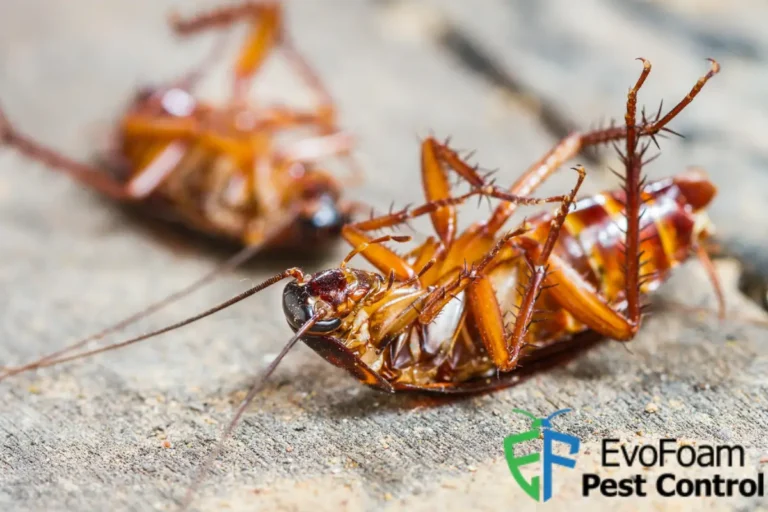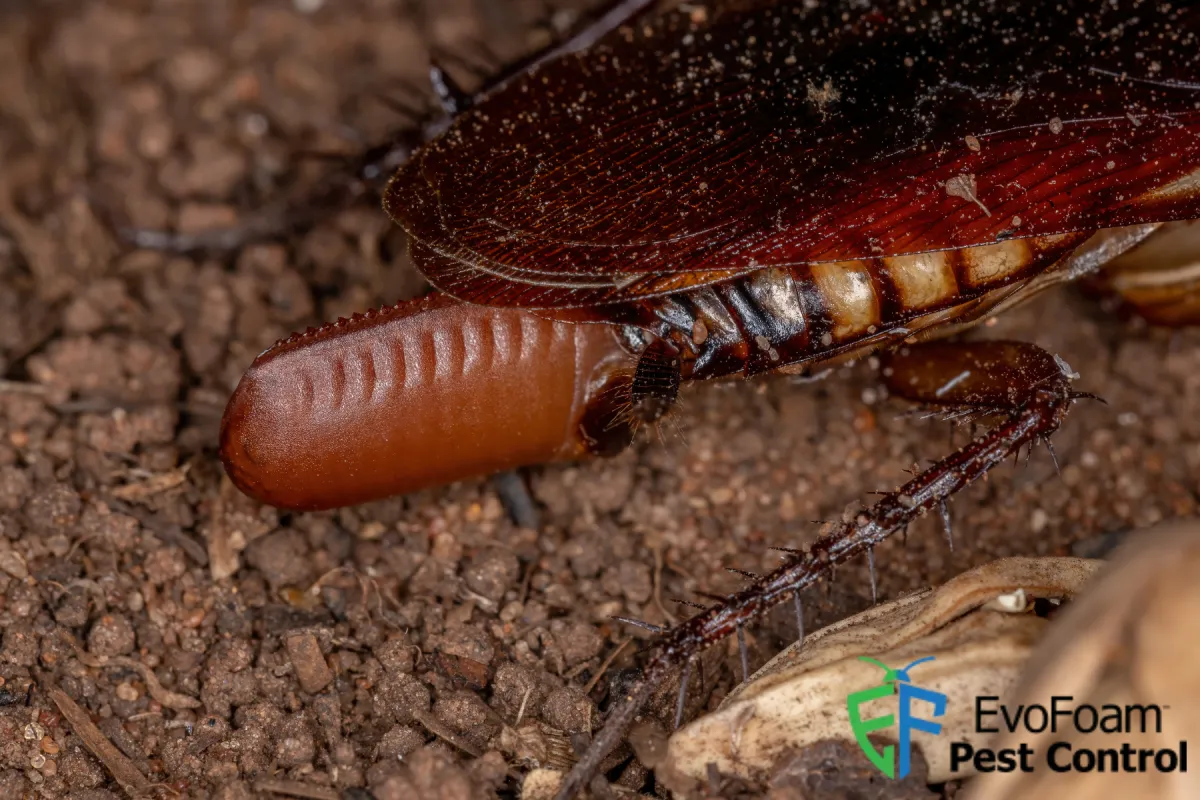
Professional cockroach control targets egg cases (oothecae) and emerging nymphs by combining Insect Growth Regulators (IGRs), non-repellent residual treatments, and targeted gel baits. IGRs disrupt the molting process and sterilize adult females, while non-repellent residuals create an invisible perimeter that eliminates newly hatched nymphs upon contact. Physical extraction using precision vacuums also removes visible egg capsules from hidden harborage zones before hatching occurs.
Dealing with an active roach problem is tough, but watching small young nymphs appear just weeks after a treatment is even more frustrating. Many homeowners think that eliminating visible adults solves the problem, only to find a fresh batch of pests crawling across kitchen counters a month later. Female cockroaches carry or hide protective egg cases that shield developing embryos from standard surface treatments. To stop an infestation for good, professional cockroach control must focus on breaking the reproductive cycle and stopping new generations from maturing.
During a recent home inspection in Hutto, our technicians inspected a kitchen where a family had applied several off-the-shelf products over two months. While the initial treatment knocked down a few adult roaches, dozens of hidden egg cases tucked behind the dishwasher continued to hatch. Upgrading the home to advanced cockroach control stopped the continuous hatching cycle by combining foam-based IGR applications with strategic gel baiting, clearing the infestation completely.
Chemical & Mechanical Eradication Methods
Treatment Types vs. Egg & Nymph Vulnerability
Stopping a roach population requires applying the right treatment methods to target both the protective egg capsule and the vulnerable nymphs. The matrix below outlines how different professional techniques address each stage of the lifecycle.
| Control Method | Primary Active Target | Mode of Action on Oothecae / Nymphs | Residual Protection Level | Egg Capsule Penetration Ability |
| Insect Growth Regulators (IGRs) | Nymphs & Adult Females | Inhibits chitin synthesis; prevents nymphs from becoming reproductive adults | High (up to 90 days) | Low (Sterilizes female; disrupts embryo development) |
| Non-Repellent Residuals | Emerging Nymphs | Disrupts nervous system upon contact as nymphs hatch from egg cases | High (30–60 days) | Moderate (Remains active around hatching zones) |
| Targeted Gel Baits | Foraging Nymphs & Adults | Ingested stomach poison; exploits cannibalistic and coprophagous behaviors | Moderate (until consumed) | None (Targets active feeding nymphs) |
| Microencapsulated Treatments | Nymphs & Adults | Micro-spores stick to cuticle and transfer throughout harbourage sites | High (60–90 days) | Low (Remains potent on surrounding surfaces) |
| Precision Vacuuming & HEPA Extraction | Physical Oothecae Removal | Physically removes egg capsules from cracks, crevices, and motor housings | Instant / Non-residual | High (100% mechanical extraction of found cases) |
Combining these methods ensures that even if an egg case survives the initial contact, emerging nymphs encounter long-lasting, environmentally friendly barriers immediately upon hatching. If you suspect hidden egg cases behind your cabinets, calling a trusted provider for Hutto pest control provides the specialized tools needed to reach every deep crevice.
Biological & Chemical Specifications Governing Egg & Nymph Control
Key Parameters in Cockroach Reproductive Disruption
To prevent new nymphs from taking over a home, technicians rely on specific technical mechanisms that interrupt roach development.
Ootheca Protection Mechanics
Definition: The tough, protein-based outer shell produced by female cockroaches to insulate 16 to 40 developing embryos from environmental stress.
Biological Impact: Standard liquid treatments cannot penetrate this hardened shell, making residual products that wait out the hatching cycle essential.
Chitin Synthesis Inhibitors (CSIs)
Definition: Specialized IGR compounds that block the creation of chitin, the primary building block of a roach’s exoskeleton.
Biological Impact: Prevents young nymphs from properly shedding their skins during molting, causing them to die before reaching sexual maturity.
Secondary & Tertiary Toxicity Transfer
Definition: The spread of active bait ingredients when nymphs eat adult feces or dead nestmates inside dark harborages.
Biological Impact: Ensures hidden young roaches receive a lethal dose without ever leaving their secure hiding spots behind walls or appliances.
Understanding these biological factors helps technicians select green and safe pesticides that target pest biology without flooding your home with harsh products.
Step-by-Step Protocol for Interrupting the Cockroach Lifecycle
4 Steps Professionals Take to Stop Re-Infestation
Eliminating roach eggs and preventing new nymphs from growing requires a clear, step-by-step field approach.
- Precision Inspection & Mechanical Egg Extraction: Technicians inspect dark voids behind appliances, cabinet hinges, and pipe openings, using specialized vacuums to physically remove visible egg cases.
- Application of Insect Growth Regulators (IGRs): Technicians apply tank-mixed or foam-based IGRs to sterilize adult females and halt the physical development of growing nymphs.
- Placement of Non-Repellent Residual Barriers: Environmentally friendly residual treatments are applied along structural seams and baseboards to eliminate newly hatched nymphs as they emerge.
- Strategic High-Attractant Gel Baiting: Small micro-dots of gel bait are placed near nymph aggregation zones to leverage natural feeding habits for deep nest elimination.
Following this structured process ensures that every stage of the roach lifecycle is addressed. When homeowners in Hutto need reliable relief, partnering with an experienced exterminator in Hutto, TX ensures these critical steps are executed with technical precision.
Applying Our Integrated Pest Management Approach to Solve This
Advanced Reproductive Disruption with EvoFoam Pest Control
At EvoFoam Pest Control, we bring a modern, eco-conscious approach to protecting your living space. As a family-owned company with over 8 years of experience, we know that standard treatments often fail to reach deep wall voids where egg cases hide. That is why we do not rely on basic surface applications. Instead, we deliver a customized solution tailored specifically to the layout and infestation level of your property.
Our signature approach centers on our specialized flush-out service and targeted bait program. We use innovative, eco-friendly foam applications that expand deep into cracks, wall voids, and pipe penetrations where traditional liquid treatments cannot reach. This foam carries our IGRs and green and safe pesticides directly into hidden harborage zones, coating egg cases and sterilizing adult females right at the source.
By using only the best products and methods available, we deliver superior results while keeping your home safe for children and pets. Whether you are dealing with a sudden outbreak or want long-term preventive care, our team provides dependable pest control in Hutto that restores your peace of mind without compromising environmental responsibility.
Common Industry Misconception: “Total Release Foggers Kill Cockroach Eggs”
Debunking the Total Release Fogger Myth
A widespread misconception among homeowners is that setting off over-the-counter “bug bombs” or foggers will penetrate deep into kitchen cabinets and destroy hidden roach eggs. In reality, fogger mists simply settle on top of flat surfaces and open counters, completely missing the deep cracks and appliance motor housings where female roaches deposit their egg cases.
Even worse, the repellent ingredients inside common foggers cause adult roaches to scatter deeper into wall voids and subfloors out of stress. This spreads the infestation to new rooms while leaving the chemical-resistant egg capsules untouched and ready to hatch weeks later.
People Also Ask (FAQ)
Do standard contact sprays kill cockroach egg cases on contact?
No. Cockroach egg cases feature a tough, protective outer shell that shields developing embryos from basic surface treatments. Long-lasting residual treatments and IGRs are needed to eliminate nymphs as they hatch.
How long does it take for cockroach eggs to hatch after a treatment?
Depending on the roach species and room temperature, German cockroach egg cases hatch within 20 to 28 days. Treatments must remain active for at least 30 to 60 days to catch all newly emerging nymphs.
How does an Insect Growth Regulator affect a growing nymph?
An IGR acts as an artificial hormone mimic that prevents nymphs from properly forming new exoskeletons during molting. Exposed nymphs develop deformed wings, remain sterile, and die before becoming reproductive adults.
Why are foam treatments more effective for roach control?
Foam expands to fill entire wall voids, pipe gaps, and crevice networks, ensuring that green and safe pesticides reach hidden egg cases and nesting zones that standard liquid applications miss.
Conclusion
Stopping a roach invasion for good requires targeting the reproductive pipeline rather than just chasing visible adult pests. At EvoFoam Pest Control, we combine Insect Growth Regulators, non-repellent residual barriers, targeted baiting, and expanding foam technology to help break the continuous hatching cycle and keep new nymphs from taking over your property.
Take control of your home with an eco-conscious team that prioritizes safety, innovation, and long-lasting results. Contact us today to schedule your consultation and experience the difference of our advanced foam-based cockroach control solutions!