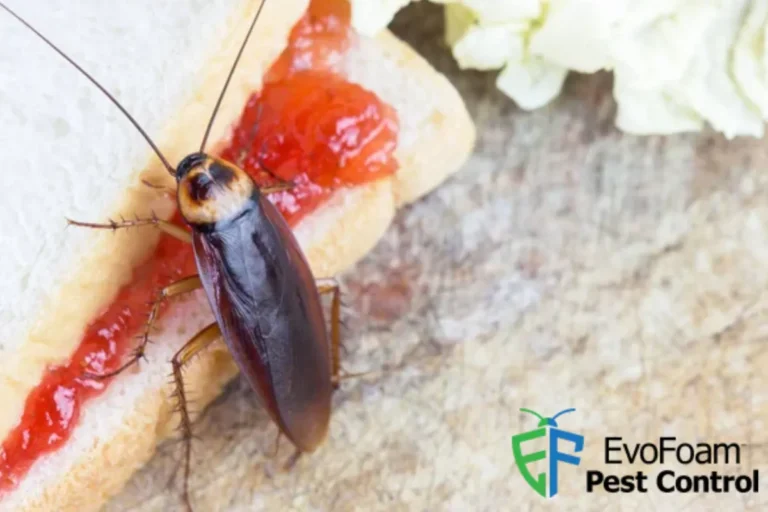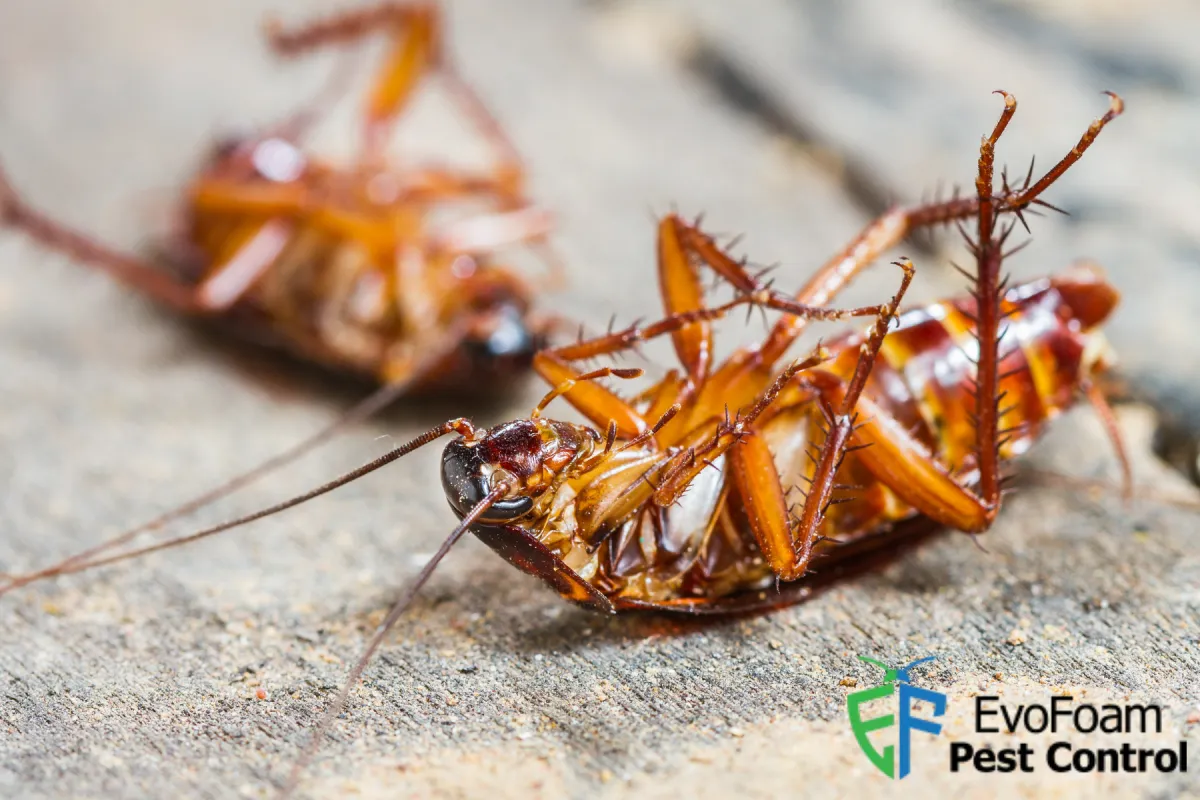
Cockroaches keep coming back after cockroach control treatment because unhatched egg cases (oothecae) hatch weeks later, lingering sanitation issues provide continuous food and moisture, or surviving pests develop behavioral avoidance to repellent surface applications. Without long-lasting Insect Growth Regulators (IGRs) and comprehensive structural exclusion, newly hatched nymphs quickly rebuild the infestation. Modern, eco-friendly strategies focus on interrupting the biological hatch cycle to keep these resilient pests away for good.
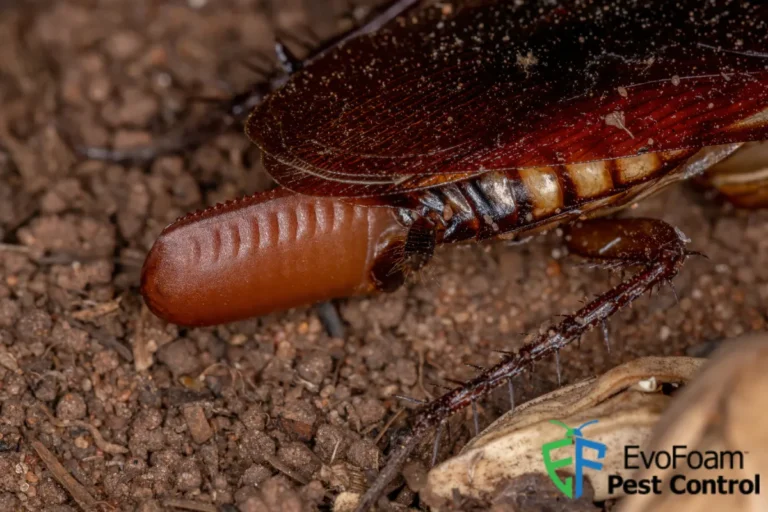
Watching roaches scramble across kitchen counters after paying for a professional service is deeply frustrating. Many homeowners assume that a single visit should solve the problem immediately. However, cockroach eggs are encased in tough protective shells that shield them from initial contact applications. If a service does not address emerging nymphs or hidden breeding pockets deep inside wall voids, a fresh generation will appear within a few short weeks, leaving property owners wondering why cockroaches keep coming back after cockroach control treatment in the first place.
During a recent home inspection in Hutto, our technicians found a classic case of post-treatment relapse. A previous contractor had applied a quick surface treatment in the kitchen, but missed the egg cases tucked behind the warm motor housing of the refrigerator. As those eggs hatched, dozens of new nymphs emerged into the living space. By implementing an advanced, multi-stage protocol for cockroach removal, we stopped the hatch cycle and eliminated the hidden colony at its source.
Post-Treatment Relapse Factors & Root Causes
Primary Causes of Re-Infestation vs. Technical Prevention Methods
Stopping recurring roaches requires understanding why initial attempts fail. The diagnostic matrix below outlines common relapse triggers alongside the technical solutions used to overcome them.
| Relapse Trigger | Primary Failure Mechanism | Biological / Structural Impact | Long-Term Prevention Solution |
| Unprotected Oothecae Hatching | Surface contact treatments fail to penetrate eggshell armor | 16 to 40 new nymphs emerge 20–30 days post-treatment | Apply long-lasting Insect Growth Regulators (IGRs) |
| Behavioral & Treatment Resistance | Overuse of repellent products triggers pest scattering | Pests relocate deeper into wall voids and avoid bait sites | Rotate non-repellent active ingredients and gel baits |
| Micro-Moisture & Organic Buildup | Grease film, leaking pipes, or sink condensation remain | Provides ongoing nourishment for surviving nymphs | Repair plumbing leaks and execute deep degreasing |
| Unsealed Structural Penetrations | Open utility lines, weep holes, and baseboard gaps | Allows exterior or neighboring pests to re-enter freely | Execute complete structural exclusion and foam sealing |
| Single-Phase Treatment Execution | Lack of scheduled follow-up inspections or re-baiting | Surviving nymphs mature and restart reproductive cycle | Implement multi-visit flush-out and baiting protocols |
Addressing these hidden survival factors ensures that once a population is knocked down, it stays down. Property owners needing dependable Hutto pest control benefit greatly from a strategy that targets hidden harborages rather than relying on surface applications alone.
Post-Treatment Survival Mechanics & Structural Indicators
Environmental & Biological Factors Enabling Re-Infestation
Cockroaches survive basic treatments by hiding in protected micro-environments and taking advantage of natural biological traits.
Residual Treatment Breakdown Rate
Definition: The natural loss of effectiveness in applied products over time due to ambient heat, humidity, grease accumulation, and routine surface cleaning.
Impact: Standard barriers lose potency within weeks, allowing newly hatched nymphs to travel freely and reach maturity.
Harborage Site Micro-Climates
Definition: Dark, high-humidity zones located behind appliance motor housings, cabinet kickplates, and wall voids.
Impact: These areas can protect breeding pairs from light contact applications while maintaining humidity levels favorable for egg development.
Coprophagous & Necrophagous Feeding Cycles
Definition: Nymph behavior involving the consumption of adult feces (coprophagy) and dead nestmate carcasses (necrophagy) inside wall voids.
Impact: Allows young nymphs to thrive deep inside structural harborages without ever stepping onto treated surfaces for food.
Recognizing these survival mechanics allows technicians to apply green and safe pesticides directly where young roaches live and feed.
Step-by-Step Protocol to Permanently Stop Recurring Cockroaches
4 Steps Professionals Take to Lock Out Re-Infestation
Preventing roaches from returning requires a disciplined, multi-step field approach that leaves no room for biological recovery.
- Conduct a Post-Treatment Harborage Audit: Technicians inspect deep wall voids, cabinet hinges, and appliance motor compartments using sticky monitoring traps to identify active breeding pockets.
- Apply Expanding Foam & Non-Repellent Residuals: Inject eco-friendly non-repellent formulas and expanding foam directly into structural cracks, pipe penetrations, and wall voids where egg cases hide.
- Re-Deploy Insect Growth Regulators (IGRs) & Fresh Gel Baits: Replenish attractive gel bait matrices and re-apply IGRs to ensure any newly hatched nymphs are sterilized before reaching maturity.
- Execute Structural Exclusion & Moisture Remediation: Seal exterior wall gaps with environmentally friendly silicone caulking, repair plumbing condensation, and eliminate standing water sources under sinks.
Following this structured workflow breaks the reproductive loop completely. When property owners face persistent infestations, working with an experienced exterminator in Hutto, TX guarantees that every phase of this protocol is carried out with precision.
Applying Our Integrated Pest Management Approach to Solve This
Advanced Multi-Stage Elimination with EvoFoam Pest Control
At EvoFoam Pest Control, we bring a modern, eco-conscious philosophy to home defense. As a family-owned company with over 8 years of experience, we know that standard surface applications miss the root cause of recurring infestations. That is why we take the time to evaluate your home thoroughly and develop a customized solution tailored to your exact structure.
Our signature process starts with an initial flush-out service designed to drive adult roaches out of deep wall voids and appliance housings. We follow this up with a structured bait program, placing fresh, highly palatable gel baits in strategic aggregation zones. Rather than relying on traditional liquid treatments that settle on flat surfaces, we utilize expanding foam technology to carry green and safe pesticides into hard-to-reach cracks, pipe gaps, and crevice networks.
By combining over 8 years of experience with the best treatment plan available, we ensure that egg cases and emerging nymphs are wiped out before they can restart the cycle. Whether you are dealing with a frustrating relapse or want long-term preventive care, our team delivers superior pest control in Hutto that protects your family and respects the environment.
Common Industry Misconception: “Seeing Roaches Days After Treatment Means the Service Failed”
Debunking the Instant Knockdown Myth
A widespread myth among property owners is that seeing live roaches a few days after a professional visit means the treatment did not work. This confusion often leads homeowners to ask why cockroaches keep coming back after cockroach control treatment when, in fact, the process is working exactly as intended.
Modern non-repellent treatments and baiting programs use delayed-action active ingredients. As the treatment takes effect, affected roaches become disoriented, lose their natural fear of light, and wander out of dark hiding spots before dying. Seeing increased activity during the first 7 to 14 days is actually proof that hidden harborages are being successfully disrupted and flushed out.
People Also Ask (FAQ)
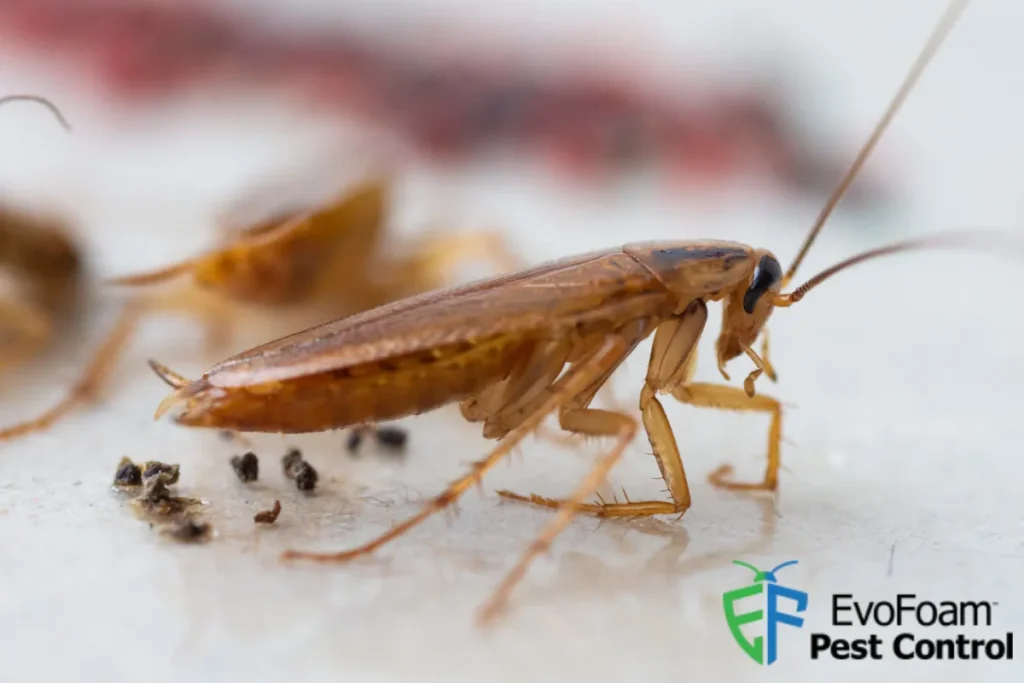
Why do I see small baby roaches weeks after my house was treated?
Small nymphs appearing weeks later indicate that unhatched egg cases (oothecae) hidden inside walls or under appliances have hatched. Follow-up treatments using Insect Growth Regulators are necessary to eliminate these emerging nymphs before they mature.
How long does it take to completely get rid of cockroaches after treatment?
A severe cockroach infestation typically takes 3 to 6 weeks and multiple treatment visits to resolve completely, as services must clear both active adults and newly hatched nymph cycles.
Can cockroaches become immune to gel baits?
Yes. Cockroaches can develop behavioral avoidance to sugars in gel baits or biological resistance to active ingredients. Rotating bait formulations and using non-repellent foam treatments easily solves this issue.
Are eco-friendly foam treatments safe for homes with pets and children?
Yes. Foam technology allows technicians to apply green and safe pesticides precisely inside wall voids and tight crevices where pests hide, keeping products away from open living areas used by children and pets.
Conclusion
Cockroaches keep coming back when initial efforts fail to break the egg-to-nymph reproductive cycle or leave hidden harborages untouched. At EvoFoam Pest Control, we combine expanding foam applications, long-lasting Insect Growth Regulators, fresh gel baiting, and structural sealing to help eliminate returning pests and newly hatched nymphs for good.
Take control of your home with an eco-conscious team that prioritizes safety, innovation, and dependable results. Contact us today to schedule your consultation and experience the difference of our advanced foam-based cockroach solutions!