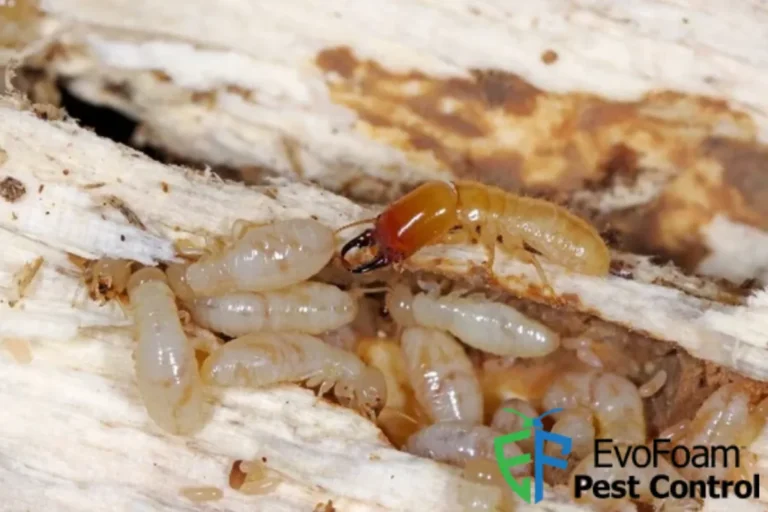
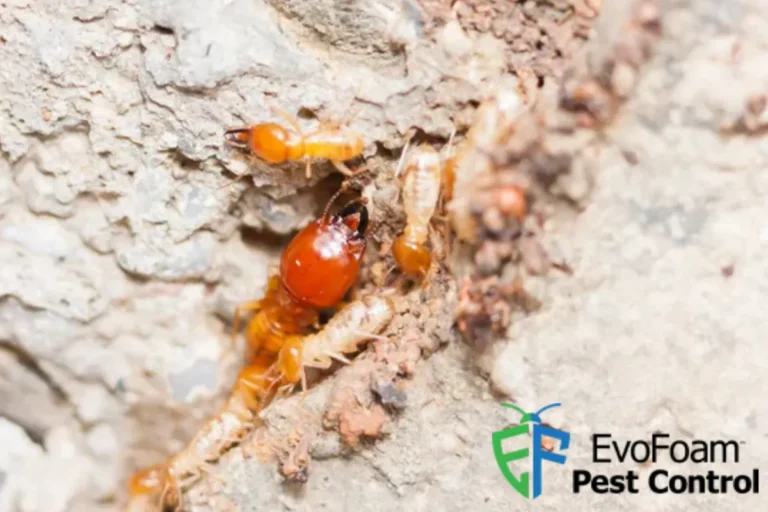
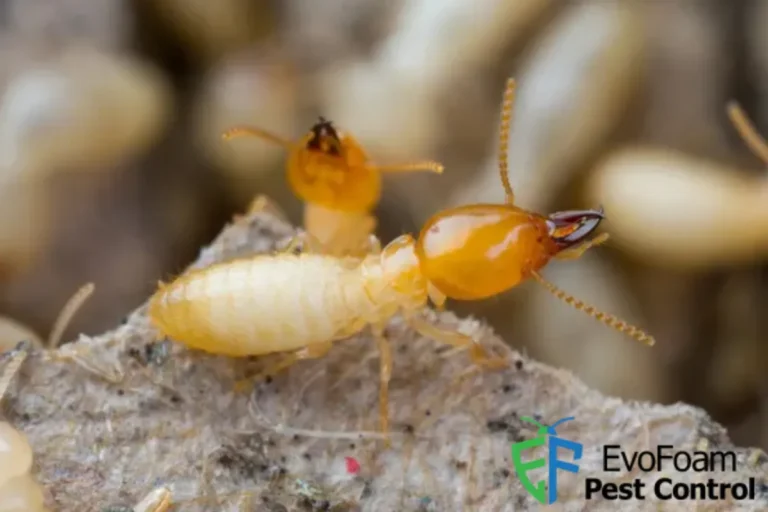
Termites are often called the “silent destroyers” for a good reason. These tiny pests can infiltrate residential homes without leaving obvious signs, causing significant damage to wooden structures and belongings. Understanding how termites invade homes can help homeowners take proactive measures to prevent infestations. In this blog, we’ll explore the common ways termites enter homes, delve into the impact of infestations, and provide actionable steps you can take to protect your property. If you’re in need of Sun City pest control, professional experts can help safeguard your home from these destructive pests.
1. Soil-to-Wood Contact
Subterranean termites, the most common type of termite in residential areas, rely on soil to survive. They often invade homes through direct contact with soil and wood. Wooden structures like decks, fences, and support beams that touch the ground are prime entry points for these pests. Once they gain access, termites can tunnel through wooden components, spreading their colonies rapidly and causing widespread structural damage.
Prevention Tip:
Ensure there’s a gap between soil and wooden structures by using concrete or metal barriers. Regularly inspect areas where wood meets the ground for signs of termite activity. Additionally, consider treating the soil around your home with termiticides as an added layer of protection.
2. Cracks in Foundations
Cracks in a home’s foundation or walls can serve as an open invitation for termites. Subterranean termites build mud tubes to bridge gaps and access food sources, while drywood termites can squeeze through small crevices to establish colonies inside walls. These entry points often go unnoticed until significant damage has occurred.
Prevention Tip:
Seal cracks and crevices in your home’s foundation, walls, and around utility entry points. Use caulk or a specialized sealant to block potential entryways. Schedule regular inspections to identify and address vulnerabilities before termites can exploit them.
3. Woodpiles and Mulch Near the Home
Woodpiles and mulch can attract termites, providing them with an easy food source close to your home. Termites may build tunnels from these sources to your home’s structure, especially if the woodpile is stacked against exterior walls. Mulch, commonly used in landscaping, can retain moisture and create an inviting environment for termites.
Prevention Tip:
Store firewood and lumber at least 20 feet away from your home and elevate them off the ground. Use mulch sparingly and avoid piling it against the foundation. Opt for alternative landscaping materials like gravel or rubber mulch, which are less appealing to termites.
4. Moisture Issues
Termites thrive in damp conditions. Leaky pipes, clogged gutters, and poor drainage can create moisture problems, making your home an ideal habitat for termites. Subterranean termites are especially drawn to moist soil, where they can establish and expand their colonies with ease.
Prevention Tip:
Fix leaks promptly, ensure proper drainage around your home, and clean gutters regularly. Consider installing a dehumidifier in areas prone to dampness, such as basements or crawl spaces. Additionally, inspect your roof and attic for signs of water damage, as these areas can also attract termites.
5. Unventilated Crawl Spaces
Crawl spaces with inadequate ventilation can trap moisture, creating a perfect breeding ground for termites. These pests can use the crawl space to access your home’s structure undetected. Over time, this can lead to severe damage to floor joists and other structural components.
Prevention Tip:
Ensure your crawl space is well-ventilated and consider using vapor barriers to reduce moisture levels. Installing crawl space fans or vents can also help improve airflow and keep the area dry. Regularly inspect the space for signs of termite activity or moisture buildup.
6. Flying Termites (Swarmers)
During their swarming season, winged termites (swarmers) leave their colonies to establish new ones. They often enter homes through open windows, doors, or other small openings. Once inside, they shed their wings and look for suitable nesting spots, quickly turning a small intrusion into a major infestation.
Prevention Tip:
Install screens on windows and doors, and keep them in good repair. Turn off exterior lights at night during swarming season to avoid attracting swarmers. Using yellow or sodium vapor lights can also help reduce the attraction.
The Impact of Termite Infestations
Termites can cause extensive damage to a home’s structure, often resulting in costly repairs. Beyond the physical damage, infestations can lower property value and create stress for homeowners. In severe cases, termite damage can compromise a home’s safety, making prompt action crucial.
Signs of a Termite Infestation
Even with preventative measures, termites can sometimes find their way into homes. Here are common signs to watch for:
- Mud tubes on walls or foundations often resemble small tunnels made of soil.
- Discarded wings near windowsills, doorways, or light fixtures, left behind by swarmers.
- Hollow-sounding wood when tapped, indicating internal damage.
- Frass (termite droppings) resembling sawdust or wood pellets, often found near infested areas.
- Buckling paint or wallpaper may signal moisture and termite activity beneath the surface.
Conclusion
Termites are formidable pests, but understanding their behavior and entry points can help you stay one step ahead. By implementing preventive measures, staying vigilant for signs of infestation, and promptly addressing vulnerabilities, you can protect your home from costly damage. Regular inspections and proactive maintenance are your best defenses against these silent destroyers. For reliable solutions, contact an experienced exterminator Sun City TX to ensure your home is protected from termite damage.
If you suspect a termite problem, contact a licensed pest control Sun City TX professional for a thorough inspection and treatment plan. Investing in professional help can save you time, money, and the headache of dealing with severe infestations.
Stay proactive, and your home can remain termite-free for years to come!