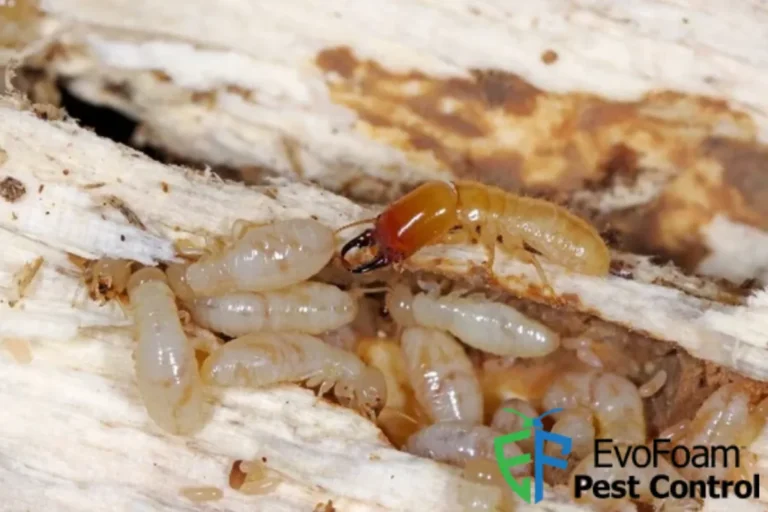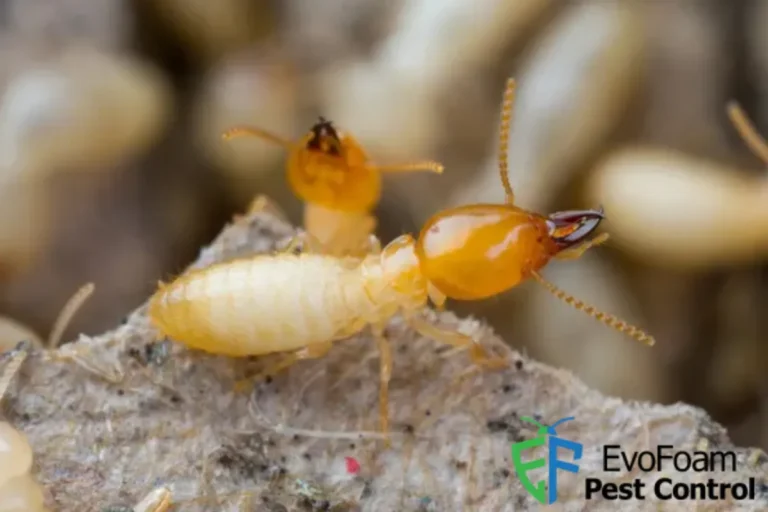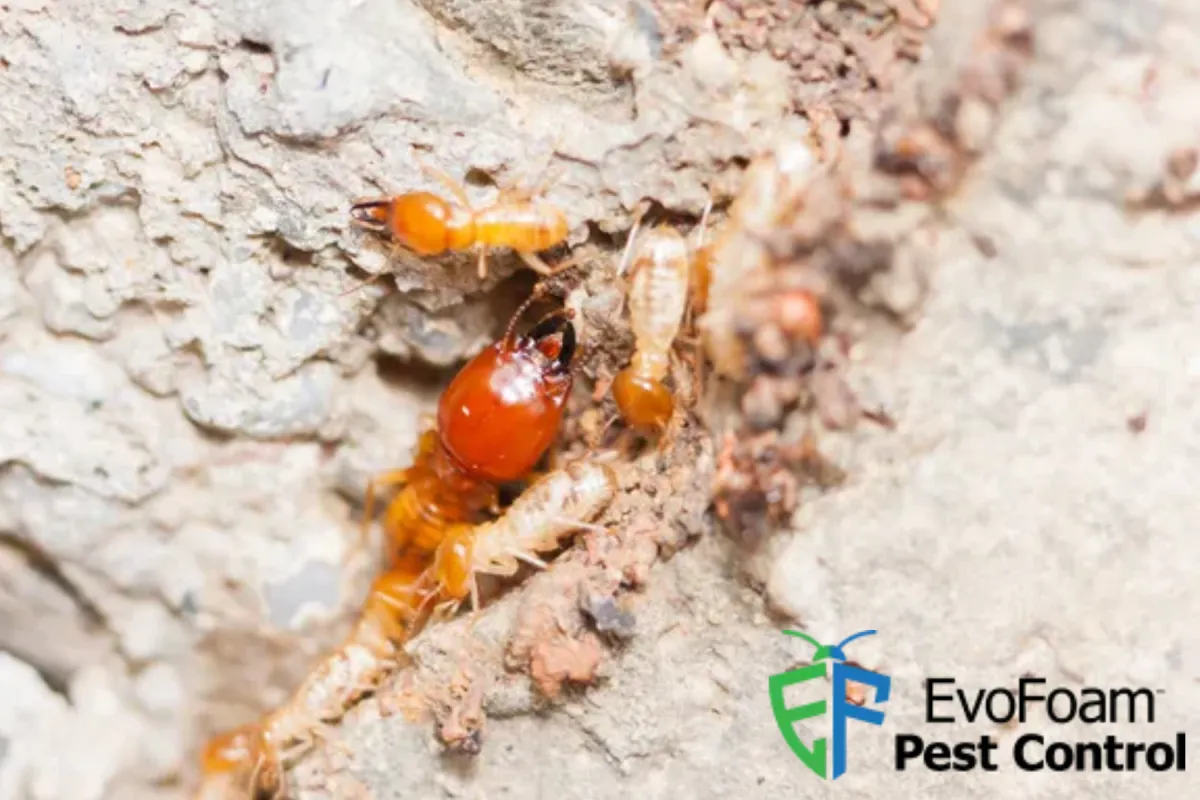
To identify a termite infestation, look for mud tubes on foundation walls, discarded wings near windows, and wood that sounds hollow when tapped. You might also notice bubbling paint or small piles of wood-colored pellets known as frass, which indicate that wood-destroying insects are active within your home’s structure.
Visual Warning Signs: The Primary Indicators
Termites can chew through the internal frame of your house for years without being seen. They thrive in dark, damp areas, meaning they rarely come out into the open. However, as a colony grows, it eventually leaves behind physical clues that a vigilant homeowner can spot.
Mud Tubes on the Foundation
Subterranean termites need moisture to survive. To travel from the soil into your home without drying out, they build pencil-thick tunnels made of mud and saliva. You will typically find these on exterior foundation walls, in crawlspaces, or along floor joists.
Discarded Swarmer Wings
In the spring of 2026, reproductive termites (swarmers) fly out to start new colonies. Once they find a mate, they shed their wings. If you find piles of small, translucent, equal-length wings on windowsills or stuck in spider webs, a colony is likely established nearby. When performing pest control in Taylor, TX, we prioritize these areas as they signal an active “birth” of a new colony.
Hollow-Sounding Wood
Termites eat wood from the inside out, leaving only a thin veneer of wood or paint on the surface. If you tap an area and it sounds thin or “papery,” it is a major red flag. We often use specialized tools to tap along baseboards and windowsills to check for these hollow spots during our termite control assessments.
Bubbling or Peeling Paint
Many people mistake bubbling paint for water damage. However, when termites feed on the paper backing of drywall, they introduce moisture. This moisture causes the paint to bubble or peel, similar to a leak, but without a clear plumbing source.
Stuck Doors and Windows
As termites feed and tunnel, they introduce moisture into the wood, causing it to swell. If your windows suddenly become hard to open or a door starts sticking for no apparent reason, it could be a sign of structural shifts caused by an infestation.
Comparing the Threats: Subterranean vs. Drywood
Not all termites behave the same way. In Central Texas, we primarily deal with subterranean species, but identifying the specific pest is the only way to choose the right treatment. A Taylor exterminator will look for the differences in how the wood is consumed to determine the species.
Termite Identification Table
| Feature | Subterranean Termites | Drywood Termites |
| Primary Nesting Site | In the soil (underground) | Inside the wood itself |
| Main Identification Sign | Mud tubes on walls/joists | Piles of fecal pellets (frass) |
| Damage Style | Follows the wood grain (layered) | Cuts across the grain (smooth) |
| Moisture Requirement | Very high; needs constant dampness | Low; survives in dry wood |
| Visual Evidence | Soil/mud found inside the wood | Clean, “sandpapered” galleries |
Utilizing Our Advanced Protection Strategy
At EvoFoam Pest Control, we don’t believe in using outdated “spray and pray” methods. We combine innovation with environmental responsibility to ensure your home is protected without harming the local ecosystem. To solve a termite mystery, we use the latest techniques and environmentally friendly tools that target the colony’s biology.
Our primary defense system involves Trelona ATBS Annual Bait Stations. Unlike traditional liquid barriers that can leave gaps in the soil, these stations are strategically placed around your home. Inside the stations is a specialized bait with the active ingredient Novaluron. This chemical prevents termites from molting; when the workers share the bait with the nest, the entire colony collapses because the insects cannot grow new shells. We offer a free termite inspection to determine exactly where these stations should be placed to intercept foraging pests before they reach your foundation. If you need an exterminator in Taylor, TX, our foam-based approach also targets the hard-to-reach “voids” inside your walls.
Debunking the “Concrete Slab” Myth
The Myth: “My house is built on a solid concrete slab, so termites can’t get inside.”
The Reality: This is a common and dangerous misconception. While termites can’t eat through concrete, they only need a gap as thin as 1/32nd of an inch to enter your home. They often crawl through expansion joints, gaps around plumbing pipes, or small settling cracks in the slab. Once they are under your house, they move directly into the wooden wall studs, often bypassing the exterior where you would see mud tubes.
Technical Specifications: Termite Features
- Swarmers (Alates): The winged reproductive members of a termite colony. They have two pairs of wings equal in length and a thick waist, unlike ants, which have pinched waists.
- Frass: The fecal pellets produced by drywood termites. They are approximately 1mm long and have six concave sides.
- Mud Tubes: Exploratory tunnels made from a mix of soil, wood particles, and termite secretions to maintain a high humidity level.
- Chitin Synthesis Inhibitor: A type of growth regulator (like Novaluron) that makes it impossible for an insect to survive a molt.
People Also Ask
How often should I get a termite inspection?
We recommend an annual check-up. Termites move quickly, and catching them early can save thousands in repairs. We provide a free termite inspection to help homeowners stay ahead of the game.
Do termites only eat wood?
Termites seek cellulose. While wood is their main target, they will also eat paper, cardboard, drywall backing, and even some fabrics.
What is the difference between a flying ant and a termite?
Termites have straight antennae, thick waists, and four wings of equal length. Ants have elbowed antennae and pinched waists, and their front wings are longer than their back wings.
Are bait stations better than liquid treatments?
Bait stations, such as the Trelona ATBS system, are often more effective for total colony elimination. They are also among the latest techniques and environmentally friendly, as they use targeted bait rather than saturating the soil with large volumes of chemicals.
Protect Your Home with Innovation and Care
At EvoFoam Pest Control, we aim to be your trusted partner in home safety. Our brand is dependable, eco-conscious, and innovative. We understand that your home is your biggest investment, and we take the job of protecting it personally. As a family-owned business, we mix professional expertise with a friendly, approachable attitude.
What sets us apart is our dedication to using effective, non-toxic solutions. We stand out by offering eco-friendly foam-based treatments that reach hard-to-reach areas where traditional sprays might fail. Whether we are installing Trelona ATBS Annual Bait Stations or using our foam technology to treat wall voids, our goal is to give you peace of mind.
We want you to feel reassured and confident that your home is in good hands. We believe in combining innovation with environmental responsibility, using methods that are safe for your family and pets.
Reach out to us for a consultation and discover why we are the preferred choice for homeowners who care about the environment. Let us help you maintain a safe, pest-free space with our advanced and sustainable results.