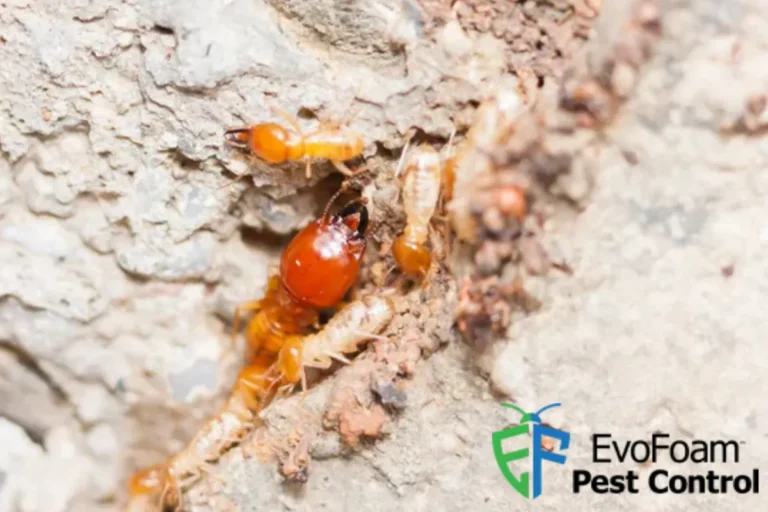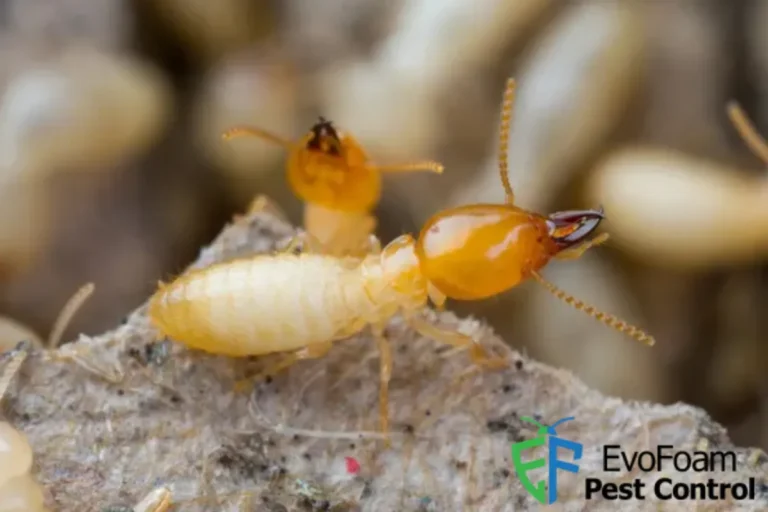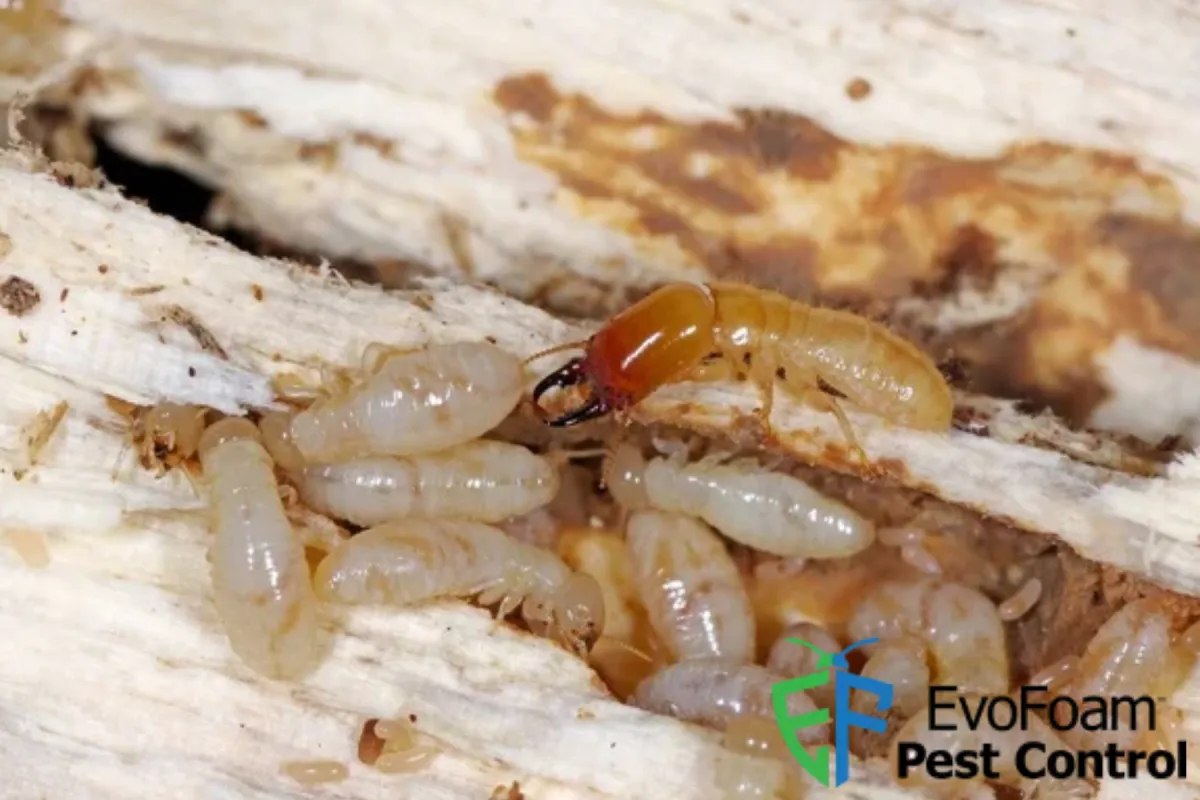
Drywood termite frass consists of hard, uniform, six-sided oval pellets that feel granular and look like coarse sand or salt. In contrast, wood-boring beetle dust is a fine, powdery substance resembling flour or talcum powder and lacking a distinct geometric shape. If you find mysterious wood piles around your property, checking the texture and shape of the debris will tell you exactly which insect is chewing through your structural timber.
Discovering mysterious piles of wood residue under your baseboards, cabinets, or ceiling beams can be deeply unsettling for any property owner. When wood-destroying insects invade structural timber, they rarely show themselves in the open. Instead, they leave behind tiny clues in the form of boring dust or fecal droppings. Misidentifying these signs can lead to buying the wrong treatment products, allowing the hidden colony to continue eroding your property’s structural integrity.
Scouting Local Wood-Destroying Insect Activity
To keep your home safe, you need to understand that different pests leave behind completely different types of waste. During a property check for a homeowner living near one of our residential areas, our team found what appeared to be simple sawdust along a windowsill. A closer look revealed it was actually a mix of two different infestations running side by side in an old wood addition. This case shows why learning the difference between these wood-destroying matters.
When you suspect a wood-boring pest issue, working with a professional exterminator in Sun City, TX helps you catch the problem before it becomes an expensive repair bill. Protecting properties from these hidden threats requires a deep understanding of insect biology and building design. Let us break down the exact details that separate drywood termite waste from beetle powder.
Waste Identification: Quick Comparison
The fastest way to judge the wood debris on your property from a safe distance is to check its shape, consistency, and how it piles up on flat surfaces. As part of smart Sun City pest control, use this straightforward comparison table to help identify which nuisance is active inside your wooden structures.
| Feature | Drywood Termite Frass | Wood-Boring Beetle Dust |
| Microscopic Shape | Six-sided, seed-like oval pellets | Amorphous powder, fine granules, or bun-shaped pellets |
| Texture | Hard, dry, and distinctly gritty (like sand) | Soft, smooth, and flour-like or powdery |
| Color Consistency | Multi-colored (varies based on the wood consumed) | Uniformly light, creamy, or wood-toned |
| Accumulation Manner | Neat, localized “kick-out” piles on flat surfaces | Scattered loosely beneath exit holes or caked inside crevices |
| Exit Hole Shape | Round, sealed kick-out holes (temporarily plugged) | Open, clean-cut round or oval exit holes |
Key Structural Specifications
Wood-destroying pests are highly specialized builders and consumers. The way their digestive systems process cellulose leaves behind unique physical traits that you can easily spot if you know what to look for.
- Drywood Termite Frass Specifications
- Pellet Size: Approximately 1 mm in length with uniform proportions.
- Composition: Compressed, completely digested wood matter containing six distinct concave sides.
- Moisture Content: Minimal; drywood termites extract almost all water from their waste, preventing the pellets from sticking together.
- Wood-Boring Beetle Dust Specifications
- Powder Grade: Ranges from fine talc (powderpost beetles) to gritty, frass-filled powder (old house borers).
- Composition: A mixture of finely chewed uningested wood fragments and loose larval fecal matter.
- Moisture Content: Variable; can easily clump together if exposed to high ambient humidity.
Step-by-Step Guide: How to Safely Inspect Wood Debris
Never sweep or vacuum away unexplained wood powder without testing it first. If you find strange debris in your home, use this simple three-step method to safely see what caused it.
- Collect a Small Sample: Slide a dark piece of paper or cardboard under the pile and collect a small amount of the material. A dark background makes it much easier to see the color and texture of the grains.
- Perform the Roll Test: Pinch a few grains of the debris between your thumb and index finger and roll them back and forth. If the material rolls easily like hard grains of sand or salt, it is drywood termite frass. If it breaks down instantly into a soft, smooth powder that leaves a film on your skin, it is beetle dust.
- Check the Overhead Wood: Look directly above where the pile accumulated to find the exit points. If you find open, clean, pin-sized holes, you are looking at beetle exit points. If the small holes look like they have been packed tightly or glued shut with a wood-pulp mixture, they are active inside the timber.
Debunking the “Fresh Wood” Color Myth
The Myth: You can tell exactly how old a pest infestation is by checking whether the debris color matches the surrounding wood surface.
Many people assume that light-colored dust means an infestation is brand new, while dark piles mean the insects left long ago. This is an industry myth that often causes homeowners to ignore active problems. The color of drywood termite frass has nothing to do with the age of the colony. Instead, it depends completely on the specific layer of wood they are chewing on. If they eat dark heartwood, they drop dark pellets; if they move into light sapwood, their pellets turn light within a few hours.
For wood-boring beetles, old dust trapped deep inside a wall beam for years can suddenly fall out due to normal house vibrations or slamming doors. This old dust looks identical to fresh powder, even though the beetles may have left the area months ago. Always judge the danger by the shape and texture of the debris, never by its color.
How We Solve This: Our Targeted Elimination Process
If you find signs of wood-destroying invaders around your home, you do not have to guess or try risky DIY fixes. At EvoFoam Pest Control, we use a careful, eco-conscious system to protect your structural beams without soaking your living spaces in harsh chemicals. We know that different insects require completely different management plans to achieve long-term success.
Our team offers an array of termite control solutions tailored to the unique construction styles found throughout Sun City. Every step of our process focuses on safety, environmental care, and deep structural penetration. We start every home evaluation with our complimentary inspection service, where we inspect your entire property, from the foundation to the attic beams, to identify the exact pest family causing the damage.
For underground and crawling threats, we offer cutting-edge termite protection with Trelona ATBS Bait Stations. These advanced stations are installed discreetly around the outside of your property to stop nuisances before they ever reach your walls. The system utilizes Novaluron, a non-repellent chitin synthesis inhibitor that disrupts the pests’ natural molting process. Because it is non-repellent, the insects pass the active ingredient throughout the entire colony naturally, eliminating the whole population without spreading unnecessary pesticides into your local soil or groundwater.
If our inspection finds a wood-boring beetle issue instead, we use specialized foam-based treatments that fill the internal galleries chewed out by the larvae. This expanding foam covers hard-to-reach areas deep inside the wood, eliminating the infestation safely while using less moisture than traditional liquid sprays. No matter what kind of wood-destroying insect we find, our services come with a complete customer satisfaction guarantee for total peace of mind.
People Also Ask
Does beetle dust cause structural damage faster than termite frass?
No. Drywood termites generally cause structural damage much faster because they live in large, organized colonies with thousands of members working around the clock. While wood-boring beetle larvae cause serious localized damage to individual boards, their life cycles are usually much slower, often taking several years to mature and emerge from a single piece of wood.
Will vacuuming up the frass or dust stop the insect infestation?
No, cleaning up the debris will not stop the problem. The dust and frass you see are just the waste products pushed out of the wood. The insects causing the damage live deep within the timber’s hidden interior channels and will continue chewing on your home until they are treated directly.
Can wood-boring beetles spread to my furniture?
Yes, certain species can spread. True powderpost beetles can emerge from untreated hardwood lumber, mate, and lay new eggs on nearby exposed, unvarnished furniture or flooring. This can spread the infestation to other rooms if it is not handled by a professional.
What is the best long-term solution for termite control in Central Texas?
The most reliable solution is to schedule a professional inspection and install a preventive barrier. Using specialized services ensures your home stays protected year-round with modern, eco-friendly systems.
Protect Your Wood Structures with EvoFoam Pest Control
At EvoFoam Pest Control, we are your dependable, eco-conscious, and innovative partner for advanced treatments. We believe in combining modern technology with real environmental responsibility. We prioritize your family’s safety and satisfaction, using non-toxic, eco-friendly methods to provide effective protection for your home or business.
Our unique, eco-friendly foam treatments target hard-to-reach areas, delivering better, more sustainable results than traditional liquid chemical sprays. Whether you need reliable pest control in Sun City, TX, or want an authoritative team you can trust to protect your structural beams, we are here to help you live bug-free.
Do not let wood-destroying pests quietly damage your property. Contact us today to learn more about our advanced solutions or to book your consultation. Feel free to share our eco-friendly solutions with neighbors, family, and friends who want safe, effective protection for their homes!