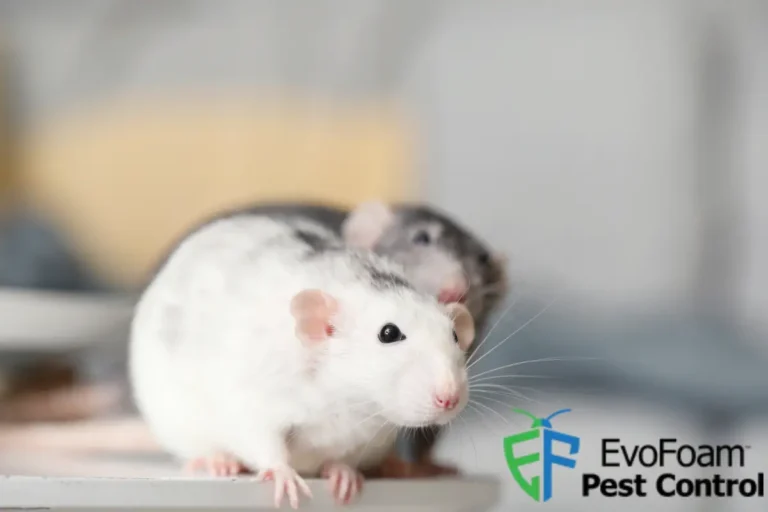
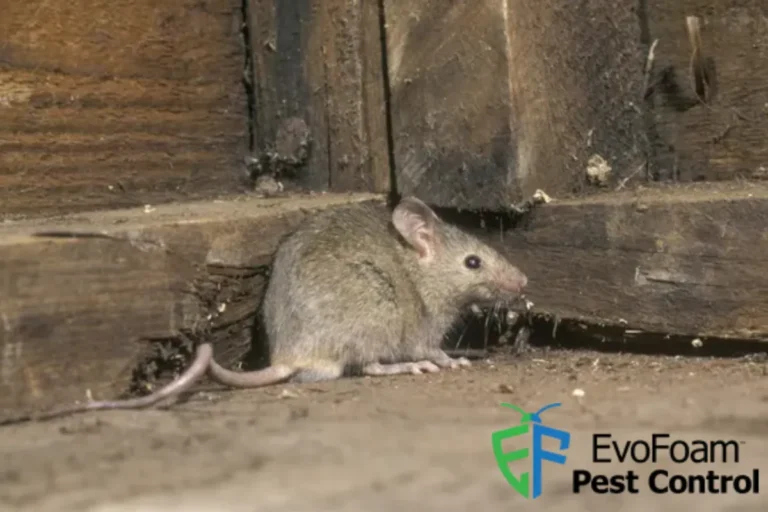
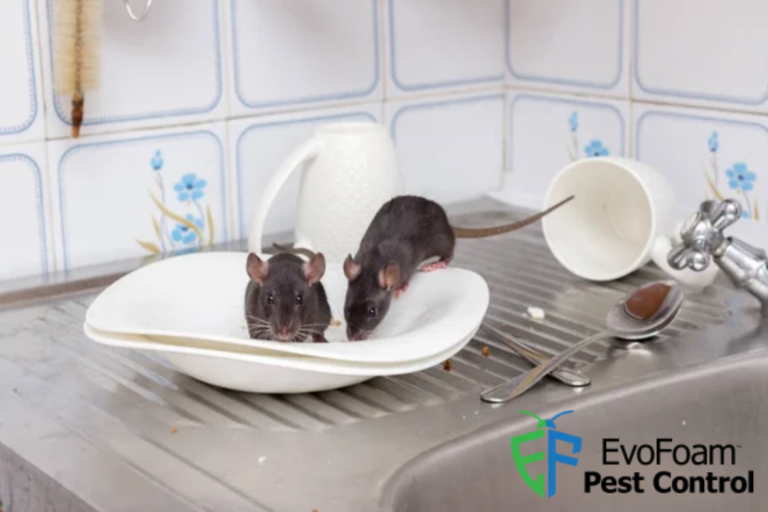
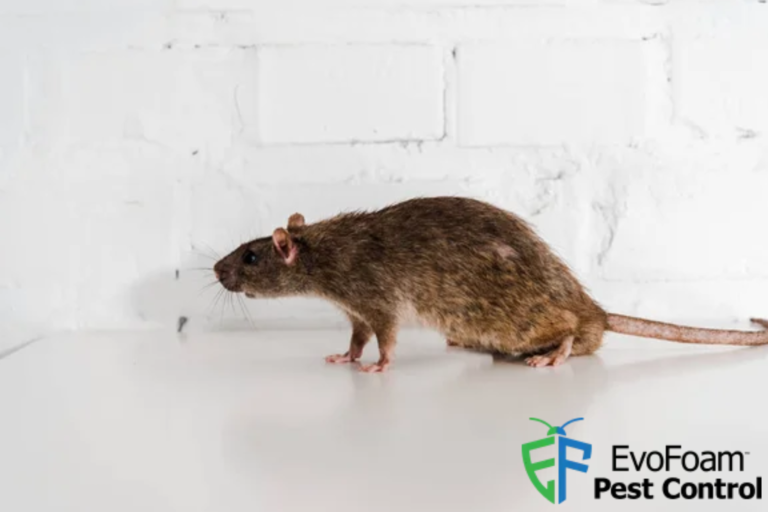
Rodents are more than just unwelcome guests; they can carry diseases, damage your property, and create a health hazard for your family. Preventing them from entering your home is much easier and safer than dealing with an infestation. By taking proactive measures, you can protect your home, health, and peace of mind. Here are the top eight ways to keep rodents out of your house, with expert pest control strategies to help safeguard your property in greater detail:
1. Seal Entry Points
Rodents can squeeze through incredibly small openings as small as a quarter of an inch for mice and half an inch for rats. Inspect your home’s exterior thoroughly for cracks, gaps, and holes. Key areas to check include:
- Door and window frames: Ensure weatherstripping is intact and tight.
- Utility pipes and vents: Seal around pipes with caulk or foam and cover vents with hardware cloth.
- Foundation cracks: Repair these with concrete or expandable sealant to eliminate access points.
To make these fixes durable, use materials such as steel wool, caulk, or hardware cloth, which rodents find difficult to chew through. Regularly inspect these areas to ensure repairs remain intact, especially after severe weather. Combining these exclusion methods with a proactive rodent control plan can help keep mice and rats from returning to your home.
2. Keep Your Home Clean
A cluttered and dirty home can attract rodents by providing easy access to food and plenty of hiding spots. To prevent this:
- Clean up food crumbs and spills immediately, especially in areas such as the kitchen and dining room.
- Store food in airtight containers, especially grains, pet food, and snacks.
- Regularly take out the trash and use bins with tight-fitting lids to prevent access to scraps.
- Declutter storage areas such as basements, attics, and closets to eliminate hiding spots.
Additionally, keep pet feeding areas clean. Remove leftover food promptly and store pet kibble in a secure location.
3. Remove Outdoor Attractions
Rodents are often drawn to your yard before they make their way indoors. By maintaining your outdoor spaces, you can discourage them from approaching. Consider these steps:
- Trim shrubs and trees near your house to eliminate easy climbing routes to your roof.
- Store firewood at least 20 feet away from your home and 5 inches off the ground to reduce hiding spots.
- Keep your lawn mowed and free of debris, such as leaves and fallen fruit, which can attract rodents.
- Remove bird feeders or use spill-proof designs to avoid scattering seeds, which are a favorite snack for rodents.
Regular yard maintenance can go a long way in keeping rodents away from your home’s perimeter.
4. Secure Your Attic and Crawl Space
Attics and crawl spaces are prime locations for rodents to nest due to their warmth and seclusion. Protect these areas with the following measures:
- Add screens to vents and chimneys to block entry while maintaining ventilation.
- Ensure attic insulation is intact and well-fitted to prevent gaps where rodents could nest.
- Inspect these spaces regularly for signs of chewing, droppings, or nesting materials, such as shredded paper or fabric.
Consider using bright lighting or motion-activated lights in these areas to help deter nocturnal rodents. Pairing these preventative measures with routine Sun City pest control services can provide added protection by identifying rodent activity early and helping prevent infestations before they become more serious.
5. Use Natural Repellents
Natural remedies can discourage rodents from entering your home without harming them. These methods are ideal for families with children or pets. Common options include:
- Peppermint oil: Soak cotton balls in peppermint oil and place them near entry points and in areas where you experience problems.
- Cayenne pepper: Sprinkle it in corners, near walls, and other places where rodents may travel.
- Ultrasonic devices: These emit high-frequency sounds that are unpleasant for rodents but inaudible to humans.
For best results, combine these methods with other preventive measures, as repellents alone may not be sufficient. If rodent activity continues, professional pest control in Sun City, TX can help identify entry points, address the source of the infestation, and provide long-term protection.
6. Set Traps as a Preventive Measure
Even if you don’t currently have a rodent problem, strategically placing traps can deter them from establishing a presence in your home. Popular trap options include:
- Snap traps: These provide a quick and humane solution to eliminate rodents.
- Live traps: Use these to catch rodents without harming them, allowing for release far from your property.
Place traps in areas where rodents are likely to travel, such as along walls, behind appliances, and in dark corners. Use bait such as peanut butter, seeds, or fruits to attract them.
7. Fix Leaks and Eliminate Water Sources
Rodents need water to survive, and your home may inadvertently provide it. Address leaks and standing water to make your home less appealing to pests. Focus on:
- Repairing leaky faucets, dripping pipes, and faulty appliances like dishwashers and washing machines.
- Removing standing water from basements, crawl spaces, and under sinks.
- Ensure proper drainage around your home’s foundation to prevent water pooling.
Dry, well-maintained spaces are far less attractive to rodents and other pests.
8. Call a Professional Exterminator
If you suspect or notice signs of rodent activity, it’s wise to consult a professional exterminator in Sun City, TX. These experts can:
- Conduct a thorough inspection to identify vulnerabilities in your home.
- Utilize advanced techniques and tools to eliminate current infestations effectively.
- Provide ongoing prevention strategies tailored to your property’s unique needs.
Many exterminators offer eco-friendly solutions and maintenance plans to ensure long-term protection.
Frequently Asked Questions
What’s the best way to keep rodents out of house?
The best way to keep rodents out of house is to seal entry points, store food in airtight containers, eliminate clutter, remove outdoor attractants, and schedule regular inspections. Combining these steps creates a strong defense against mice and rats.
How to keep rodents away from your house?
If you’re wondering how to keep rodents away from your house, start by trimming vegetation near your home, storing firewood away from the foundation, fixing leaks, and keeping garbage bins tightly sealed. These practices make your property less attractive to rodents looking for food, water, and shelter.
How to keep rodents out of your house naturally?
There are several natural ways to keep rodents out of your house, including using peppermint oil, eliminating food and water sources, sealing small openings, and maintaining a clean indoor environment. While natural repellents may help discourage rodents, they work best when combined with proven exclusion methods.
How to keep rodents away and out of your yard?
Knowing how to keep rodents away starts outside your home. To keep rodents out of your yard, mow the lawn regularly, remove piles of leaves and debris, trim overgrown shrubs, clean up fallen fruit, and store firewood off the ground and away from your home. Reducing outdoor hiding places helps prevent rodents from moving closer to your house.
About EvoFoam Pest Control
At EvoFoam Pest Control, we provide safe, eco-friendly pest control solutions for homes and businesses throughout Central Texas. Our innovative foam-based treatments reach hidden areas where pests live, delivering effective, long-lasting protection while prioritizing the safety of your family, pets, and the environment. We’re committed to providing dependable service, honest recommendations, and sustainable solutions you can trust.
Contact us today to schedule your consultation and experience the difference our eco-friendly approach can make. If you know someone dealing with rodents, share our sustainable pest control solutions with them and help keep more homes pest-free.
Learn more here:
How to Keep Rodents Away from Your Home
Protecting Your Round Rock Home From Rodents: How Landscaping and Ground Cover Impact Your Property