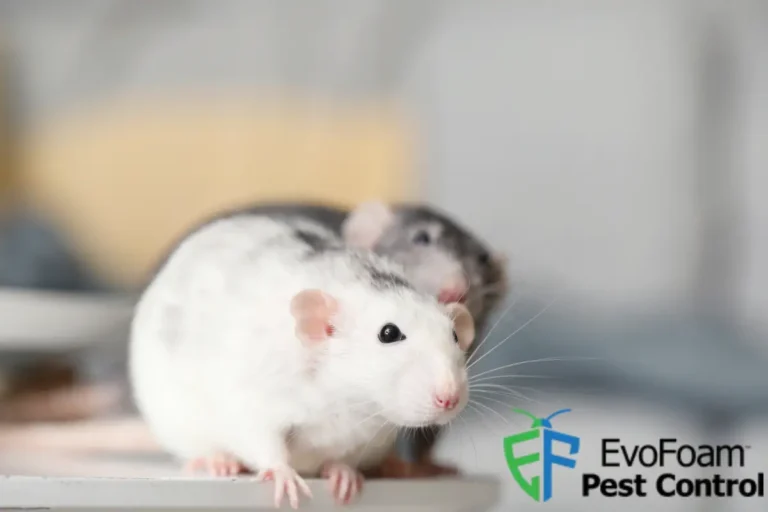
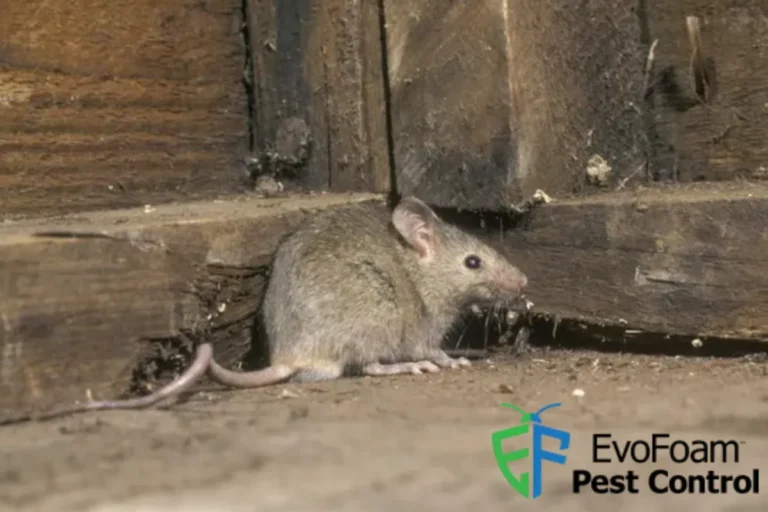
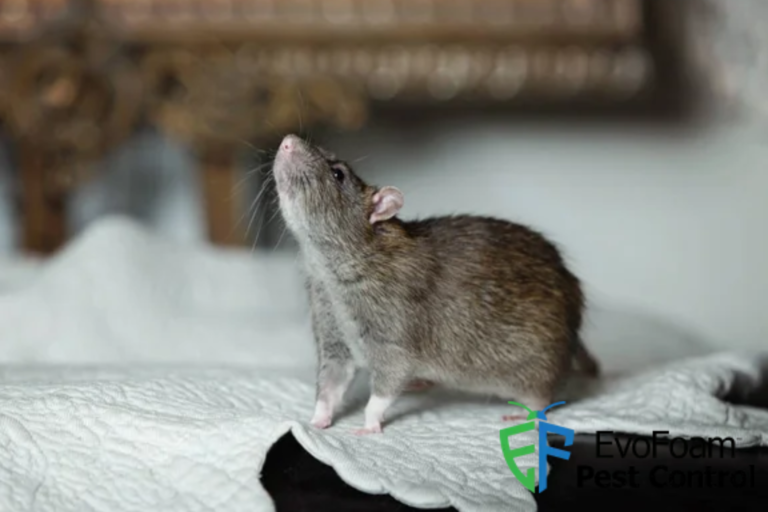
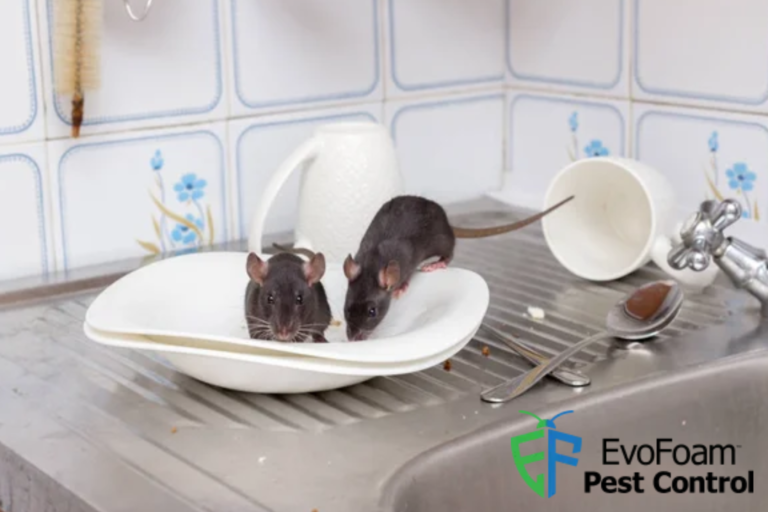
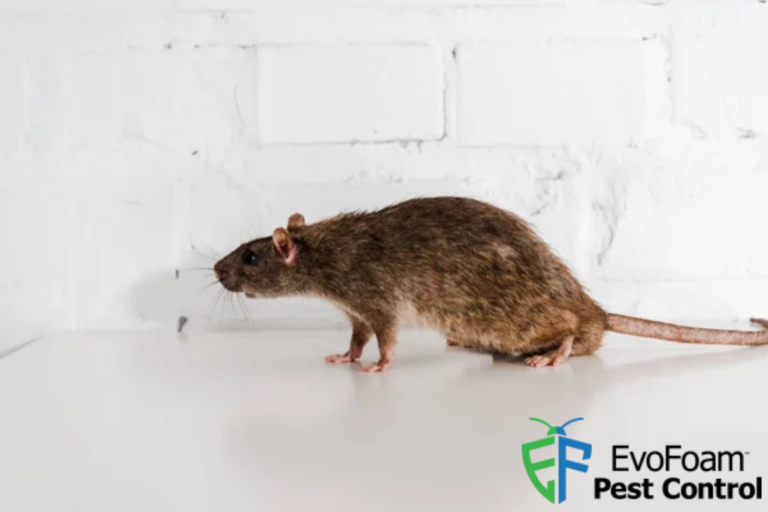
Patio homes are not automatically more susceptible to rodents than detached houses, but certain property conditions can make it easier for rats and mice to enter. Gaps around utility lines, poorly sealed doors, accessible roof openings, nearby vegetation, and connected building spaces can all contribute to rodent activity. Understanding these risk factors helps homeowners identify potential entry points and take practical steps to prevent an infestation.
Are Patio Homes More Vulnerable to Rodents Than Other Homes?
The risk of rodent activity depends more on a property’s construction, maintenance, and surroundings than on whether it is classified as a patio home. Some patio homes have shared walls, smaller yards, common landscaping, or closely spaced structures that can affect how rodents move around a property.
However, these features do not automatically mean a home is more vulnerable. A well-maintained patio home with sealed openings and limited access to food and shelter may have fewer rodent problems than a detached house with neglected exterior gaps or an accessible attic.
Several conditions can increase the likelihood of rodents entering a patio home:
- Unsealed openings: Gaps around pipes, cables, vents, doors, and other exterior features may provide access indoors.
- Nearby shelter: Dense vegetation, stored materials, and undisturbed outdoor spaces can offer hiding places.
- Available food and water: Unsecured trash, pet food, fallen fruit, and standing water can attract wildlife and pests.
- Connected building spaces: Rodents may move through accessible utility areas or structural openings when those spaces provide a route between locations.
- Maintenance issues: Damaged weatherstripping, broken screens, and deteriorating exterior materials can create opportunities for entry.
The most useful approach is to assess the actual conditions around the property instead of assuming that every patio home has the same level of risk.
What Conditions Can Attract Rodents to Patio Homes?
Rodents seek reliable sources of food, water, shelter, and suitable nesting locations. Patio homes can provide these resources when exterior maintenance and sanitation are neglected, but the same factors can affect many other housing types.
Landscaping and Ground Cover
Shrubs, dense ground cover, accumulated leaves, and vegetation growing close to exterior walls can provide sheltered travel routes. Piles of mulch, firewood, cardboard, or other stored materials may also create places where rodents can hide.
Keep vegetation maintained and avoid allowing dense growth to conceal the foundation or exterior walls. Store materials away from the building where practical, and remove debris that provides unnecessary shelter.
Landscaping does not automatically cause a rodent problem. Its importance depends on whether it offers cover, food, nesting opportunities, or access to openings in the structure.
Food Waste and Outdoor Storage
Open garbage containers, spilled birdseed, fallen fruit, and pet food left outside can attract rodents. Even a well-maintained property may experience increased activity if a dependable food source is available nearby.
Use tightly closed trash containers, clean up food spills, and avoid leaving pet food outdoors overnight. Inspect storage areas for torn packaging or other signs that rodents may be accessing stored goods.
Nearby Greenbelts and Shared Outdoor Areas
Greenbelts, drainage areas, and common landscaping may support wildlife and provide sheltered routes around residential properties. Rodents may occasionally travel from these areas toward buildings when food or shelter is available.
Proximity to green space alone does not establish that a home has a rodent infestation. Homeowners should instead look for evidence of activity and inspect the property’s entry points.
If a shared area appears to be contributing to a recurring problem, coordinate with property management or the homeowners’ association when appropriate.
Where Can Rats and Mice Enter a Patio Home?
Rodents can enter through openings that may be easy to overlook during routine cleaning. A careful exterior inspection should focus on the places where different building materials meet and where utilities pass through walls.
Gaps Around Pipes and Utility Lines
Water pipes, electrical cables, communication lines, and other utilities may pass through exterior walls. If the surrounding openings are not properly sealed, they can provide access for rodents.
Inspect visible utility penetrations for gaps, damaged sealants, or signs of gnawing. Use suitable rodent-resistant sealing materials and follow applicable safety requirements, particularly around electrical equipment, plumbing, and ventilation systems.
Door Thresholds and Damaged Weatherstripping
Gaps beneath exterior doors can provide an entry route for mice and, depending on the opening, other rodents. Worn door sweeps, damaged weatherstripping, and misaligned doors can make these openings harder to notice.
Check exterior doors, garage doors, and access doors to utility or storage areas. Replace damaged seals and ensure doors close properly.
Rooflines, Vents, and Attic Openings
Rodents may enter through accessible gaps around roof edges, soffits, vents, and other exterior features. These openings can be particularly difficult to spot from ground level.
Look for damaged vent screens, loose exterior materials, and openings around roofline components. If an inspection requires climbing onto a roof or entering a confined space, use a qualified professional rather than taking unnecessary risks.
Foundation Openings and Exterior Damage
Cracks and gaps in exterior materials deserve attention, especially when they connect to an accessible interior space. However, a crack in solid concrete does not automatically mean rodents can pass through it.
Focus on actual openings, damaged joints, gaps around service penetrations, and deteriorated areas that create a continuous route into the building. A professional inspection can help determine whether a visible defect is relevant to rodent entry.
Can Shared Walls and Nearby Homes Increase Rodent Risk?
Closely spaced homes can share exterior maintenance concerns, utility areas, or other structural features. When accessible openings connect these spaces, rodents may be able to move between them.
However, a shared wall alone does not prove that rodents can travel from one home to another. The risk depends on the building’s actual construction, the presence of openings, and whether rodents have access to connected voids or service areas.
Homeowners should watch for recurring signs of activity near shared utility spaces, garages, storage areas, and exterior walls. If neighboring properties are experiencing similar issues, coordinating inspections and repairs may be more effective than addressing only one visible opening.
In attached or closely spaced housing, it may also be helpful to ask property management whether common areas, exterior penetrations, and shared maintenance responsibilities have been inspected.
How Can You Recognize Signs of Rodent Activity?
Seeing a rat or mouse is not the only indication of a possible problem. Rodents may remain hidden in wall voids, attics, storage areas, or other sheltered locations, so indirect evidence can be important.
Look for the following signs:
- Droppings: Small droppings may appear near food storage, along walls, or in undisturbed areas. Avoid touching or sweeping them dry.
- Gnaw marks: Rodents may leave damage on packaging, wood, plastic, or other accessible materials.
- Scratching sounds: Noises in walls, ceilings, or attics may indicate animal activity, although other causes are possible.
- Nesting material: Shredded paper, fabric, insulation, or similar materials may indicate that an animal is using a sheltered space.
- Damaged food containers: Torn packaging and scattered food may suggest access by rodents or other pests.
- Recurring sightings: Repeated sightings around the same area warrant a closer inspection of nearby entry points and food sources.
No single sign establishes how many rodents are present or where they entered. Droppings and nesting materials may also pose health risks, so avoid direct contact and use appropriate precautions when addressing suspected contamination.
If you find substantial droppings, nesting material, or contamination in a poorly ventilated area, consider professional cleanup advice rather than disturbing the material yourself.
How Can You Prevent Rodents From Entering a Patio Home?
Effective prevention combines exclusion, sanitation, maintenance, and monitoring. No single measure can guarantee that rodents will never enter, but addressing several risk factors can reduce opportunities for access.
1. Inspect and Seal Entry Points
Check doors, windows, utility penetrations, vents, roofline features, and accessible exterior joints for openings. Repair damaged screens and weatherstripping, and use materials suitable for the size and location of each gap.
Choose durable, rodent-resistant materials rather than relying on soft sealants alone where rodents could gnaw through them. Do not block required ventilation openings or interfere with electrical and plumbing systems.
If you suspect rodents are already inside, determine how they are using the structure before sealing every opening. An incorrectly planned repair could leave animals trapped inside an inaccessible space.
2. Reduce Outdoor Food Sources
Store garbage in secure containers and clean areas where food scraps or pet food accumulate. Remove fallen fruit when practical, clean up spilled birdseed, and avoid leaving food outdoors overnight.
Check outdoor storage areas regularly for damaged packaging and other signs of rodent access.
3. Maintain Landscaping Around the Building
Trim vegetation that obstructs inspection of exterior walls and keep stored materials away from the building where practical. Remove unnecessary debris and maintain a clear view of likely entry points.
These steps reduce concealed areas and make it easier to spot new damage or rodent activity. They should complement, rather than replace, sealing and repairing actual access points.
4. Monitor Garages, Attics, and Storage Areas
Inspect less frequently used spaces for droppings, gnaw marks, damaged containers, and other signs of activity. Keep stored items organized and, where appropriate, use durable containers with secure lids.
If you hear recurring noises or repeatedly find fresh evidence, record where and when it occurs. This information may help identify activity patterns and guide a more targeted inspection.
5. Coordinate Repairs in Shared Areas
If the property has shared exterior features, common landscaping, or managed utility spaces, determine who is responsible for inspecting and maintaining them.
When neighboring units report similar activity, a coordinated assessment may help identify a common access point or attractant. Avoid assuming that a nearby property is responsible without evidence.
When Should You Consider Professional Rodent Control?
Occasional outdoor rodent sightings do not necessarily mean that rodents have entered a home. Professional assistance becomes more useful when there are repeated indoor sightings, fresh droppings, continuing gnaw damage, unexplained activity in walls or ceilings, or entry points that are difficult to inspect safely.
A qualified provider can assess the evidence, identify likely access routes, and recommend a suitable combination of exclusion, sanitation, monitoring, and other appropriate measures.
Homeowners researching a Round Rock exterminator should look for a provider that evaluates the conditions contributing to rodent activity instead of relying on treatment alone. Sealing access points and reducing attractants are important parts of a long-term prevention plan.
When comparing options for pest control in Round Rock, TX, ask whether the proposed approach includes an inspection of accessible entry points and practical recommendations for preventing future access. The appropriate plan depends on the evidence found at the property and the type of rodent involved.
Professional rodent control may be appropriate when activity continues despite preventive measures, when rodents may be nesting inside a structure, or when contamination requires careful handling. A provider should explain the proposed steps and any precautions relevant to occupants and pets.
For homeowners seeking pest control in Round Rock, the goal should be to address the conditions that allow rodents to enter, not simply respond to individual sightings. An inspection can help clarify whether the concern involves an active indoor problem, exterior activity, or a maintenance issue that needs repair.

Frequently Asked Questions
Are patio homes more likely to have rats or mice than detached houses?
Not necessarily. Rodent risk depends on entry points, nearby food and shelter, building maintenance, and the property’s surroundings. A patio home with well-sealed openings may have fewer problems than a detached home with accessible gaps or neglected outdoor areas.
Can rodents enter through gaps around pipes or utility lines?
Yes. Openings around pipes, cables, and other utilities can provide access when they are large enough for a rodent to pass through. Inspect these areas and seal suitable gaps with durable, appropriate materials without interfering with electrical, plumbing, or ventilation systems.
Can rats move between adjoining homes?
They may move between accessible connected spaces if openings or shared utility areas provide a route. However, adjoining walls do not automatically allow rodents to travel between homes. The actual risk depends on construction details and the presence of accessible openings.
What are the first signs of a rodent problem indoors?
Possible signs include droppings, gnaw marks, damaged food packaging, nesting material, scratching noises, and repeated sightings. These clues warrant further inspection, but no single sign reliably identifies the extent of activity or the precise entry point.
How can homeowners reduce rodent activity around patios and landscaping?
Secure trash, clean up food sources, maintain vegetation, remove unnecessary debris, and keep stored materials organized. Also inspect the building for gaps and damaged seals. These measures can reduce shelter and food opportunities but cannot guarantee that rodents will stay away.
When should a homeowner call a professional for rodent control?
Consider professional help when indoor sightings recur, fresh droppings or damage continue to appear, rodents may be nesting in inaccessible spaces, or entry points are difficult to locate. Seek appropriate guidance for handling contaminated areas rather than disturbing droppings or nesting material without precautions.
Protect Your Home by Addressing Rodent Entry Points
Patio homes are not automatically more vulnerable to rodents, but overlooked gaps, accessible food sources, and sheltered areas can increase the likelihood of unwanted activity. Regular inspections, sound exclusion practices, and good property maintenance can help reduce these risks. EvoFoam Pest Control can help homeowners identify potential rodent entry points and explore appropriate prevention and control options.
If you are seeing recurring rodent activity or cannot identify how rodents are entering, we can help you explore appropriate next steps for your property. Contact us now to book a consultation!
LEARN MORE HERE:
Top 8 Ways to Keep Rodents Out of Your House
Protecting Your Round Rock Home From Rodents: How Landscaping and Ground Cover Impact Your Property