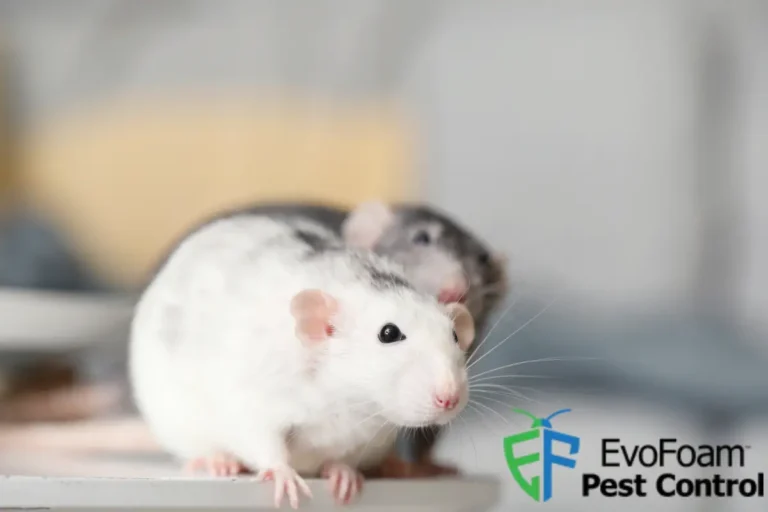
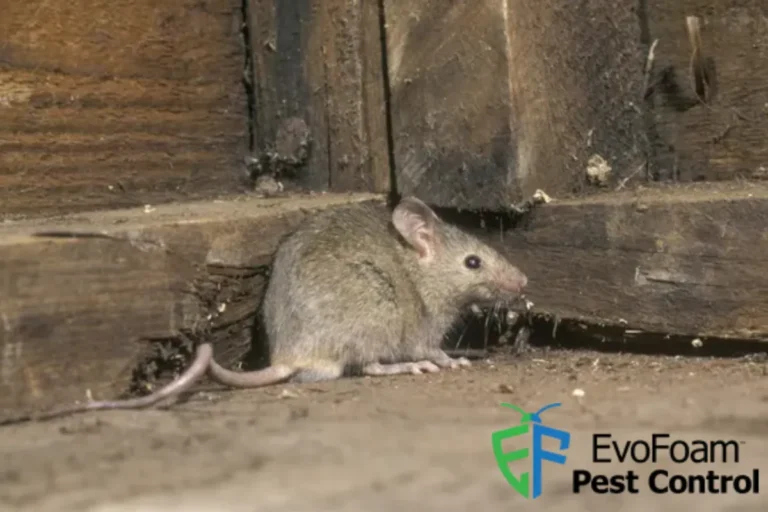
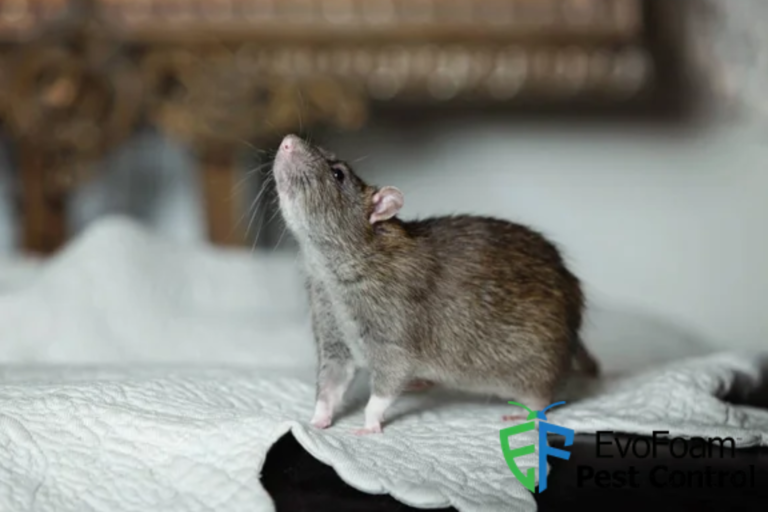
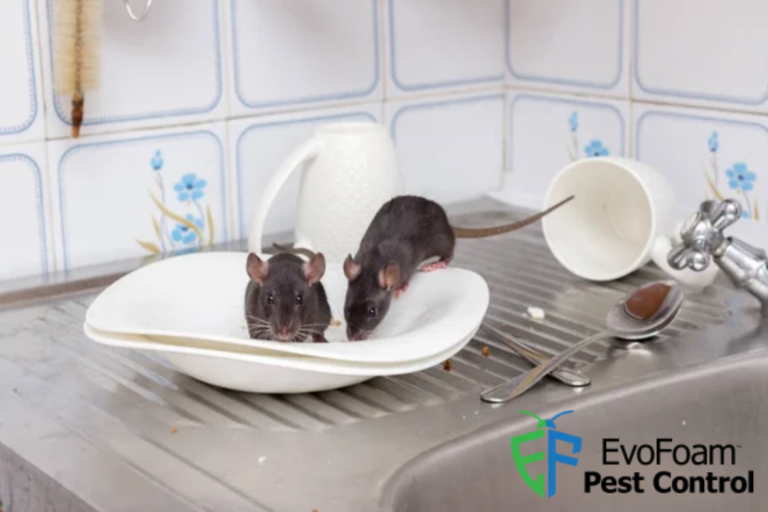
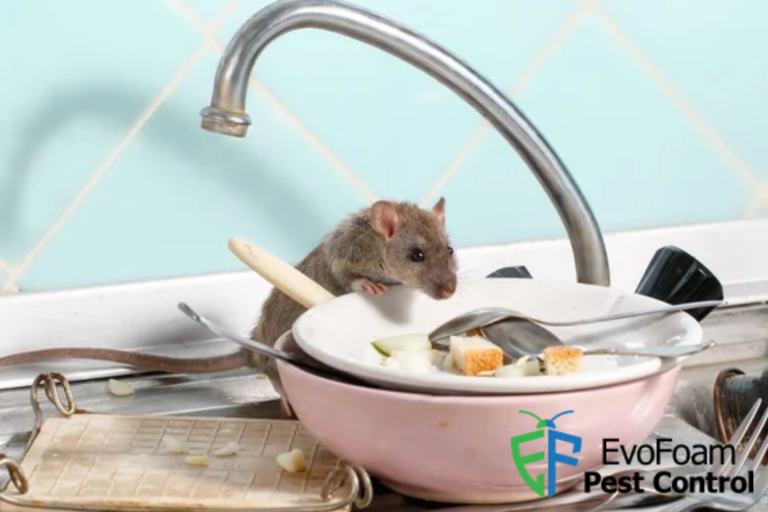
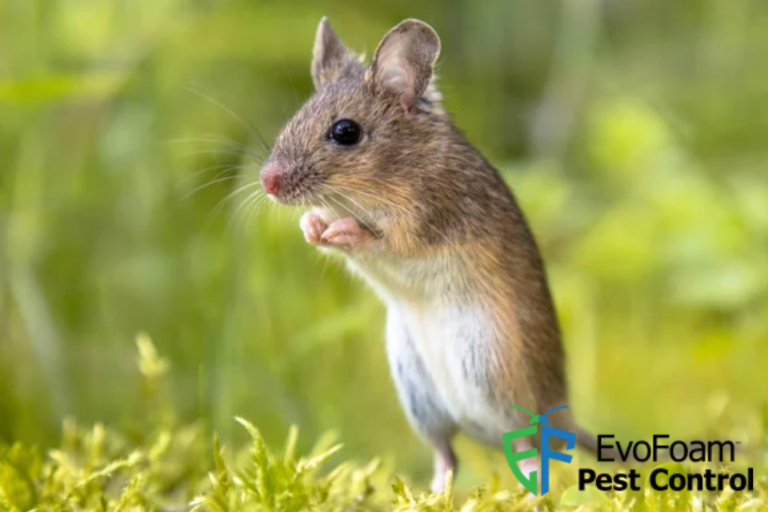
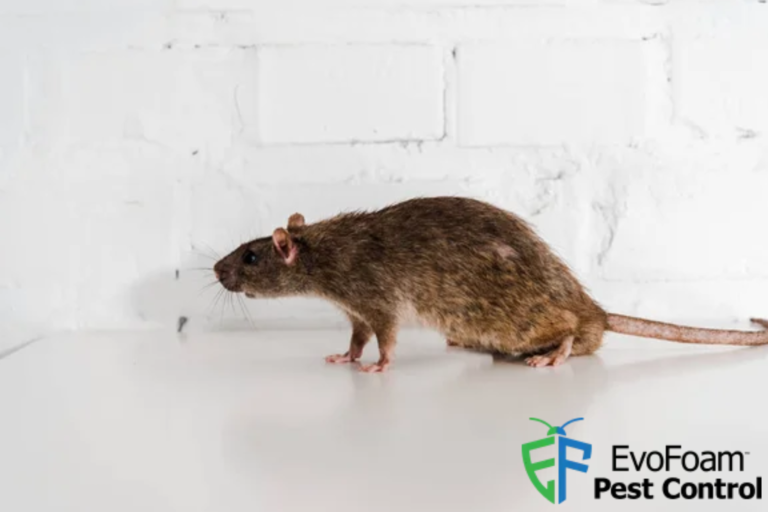
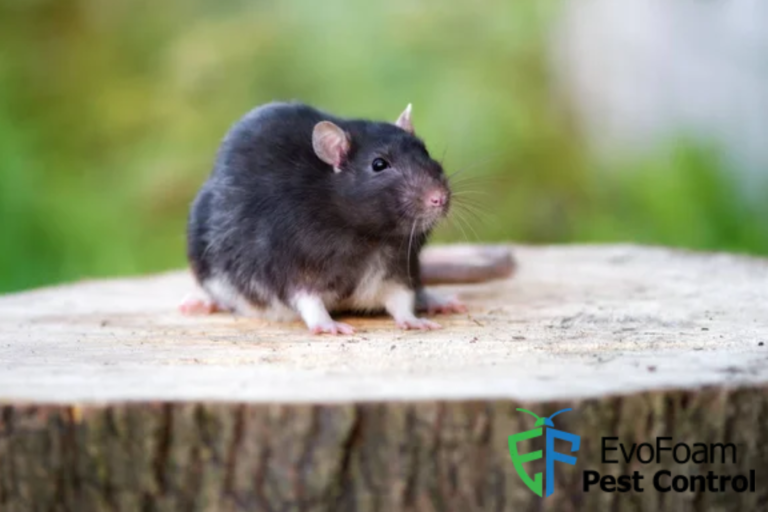
Rodents, such as rats and mice, are notorious for invading attics, causing property damage, and creating health concerns for homeowners. But why do rodents choose attics in the first place?
Attics offer many things rodents need to survive, including warmth, shelter, nesting materials, and protection from predators. Once they find a way inside, they may remain hidden for weeks or even longer before their presence becomes obvious.
Understanding what attracts rodents to attics can help homeowners spot problems early and take steps to prevent an infestation.
1. Warmth and Shelter
Attics provide a warm, protected environment for rodents, especially when outdoor temperatures change. Insulation can also give rats and mice a comfortable place to hide, sleep, and build nests.
Rodents naturally look for spaces that protect them from harsh weather and other threats. An attic can provide exactly that while keeping them away from areas of the home where people spend most of their time.
Keeping the attic clean and checking it regularly can make it easier to notice signs of activity before rodents become established.
2. Easy Access Points
Rodents can squeeze through surprisingly small openings. Gaps around rooflines, vents, pipes, soffits, siding, and utility openings can give them a direct path into an attic.
A thorough inspection is one of the most important steps in preventing an infestation. A Taylor exterminator can help identify common entry points and recommend ways to close vulnerable areas.
Homeowners should not overlook small gaps simply because they seem too narrow. Rats and mice are capable of getting through openings that may appear insignificant.
3. Abundance of Nesting Materials
Attics often contain materials rodents can use to build nests. Insulation, cardboard boxes, paper, fabric, and stored belongings can all provide useful nesting material.
Once rodents find a quiet area with enough material for a nest, they have another reason to stay. Nests also provide a place for rodents to raise their young, allowing the infestation to grow.
Reducing clutter and storing belongings in sturdy plastic containers can help make the attic less appealing as a nesting site.
4. Availability of Food Sources
An attic may not contain food, but rodents do not need to live directly beside their food source. They can travel through wall cavities, ceilings, and other parts of a home to reach kitchens, pantries, pet food, and garbage.
This makes food control an important part of pest control in Taylor, TX. Store food in sealed containers, clean up crumbs, and avoid leaving pet food available overnight.
Even small food sources can support rodent activity when rodents have easy access to them.
5. Protection From Predators
Rodents naturally seek areas where they can stay hidden from predators. An attic gives them separation from outdoor threats such as cats, birds of prey, and other animals that may hunt them.
Dark, enclosed spaces also provide rodents with plenty of hiding places. If they can enter an attic without being disturbed, they may continue using the area for shelter and nesting.
Sealing possible entry points is one of the best ways to prevent rodents from turning an attic into a safe hiding spot.
6. Moisture and Water Sources
Rodents need water to survive, so moisture problems can make an attic more attractive. Roof leaks, condensation, damaged plumbing, or poor ventilation can create damp areas where rodents may find water.
Homeowners should repair leaks, improve ventilation where needed, and investigate damp spots rather than allowing moisture to remain in the attic.
7. Lack of Human Disturbance
Most homeowners do not regularly spend time in their attics. This allows rodents to hide and establish nests without much disturbance.
An infestation can grow unnoticed until homeowners hear scratching or scampering sounds, discover droppings, notice unusual odors, or find damage to insulation and wiring.
Regularly checking the attic can help homeowners catch these warning signs earlier. Early detection is especially helpful because a small rodent problem can become much harder to manage as the population grows.
8. Reproduction and Population Growth
Rodents can reproduce quickly when they have consistent access to shelter, food, water, and nesting materials. A quiet attic can provide many of these conditions in one place.
Once a few rodents become established, their population can increase if the underlying problem is not addressed. This can lead to more droppings, nesting materials, property damage, and noise.
A professional exterminator in Taylor, TX can assess the extent of the activity and help determine whether rodents are entering through one or multiple areas of the home.
9. Climbing and Gnawing Abilities
Rats and mice are skilled climbers and persistent chewers. They can use trees, pipes, walls, wires, and other structures to reach areas that may seem difficult to access.
Their constant need to gnaw can also cause property damage. Rodents may chew on wood, insulation, stored materials, and electrical wiring. Damaged electrical wires can create a serious safety concern.
If you notice gnaw marks, damaged wiring, or unexplained scratching sounds near the attic, investigate the issue promptly.
10. Scent Trails From Previous Infestations
Previous rodent activity can leave behind odors, droppings, nesting materials, and other signs that indicate the space was previously used by rodents.
Simply removing rodents may not solve the problem if access points remain open. If the same conditions are still present, other rodents may eventually find their way inside.
For recurring problems, an exterminator can help identify potential access points and conditions that may be allowing rodents to return.
How to Prevent Rodents From Infesting Your Attic
Preventing rodents starts with making your home harder to enter and less attractive once they get inside. These practical steps can help:
- Seal entry points: Inspect rooflines, vents, soffits, utility openings, and other vulnerable areas. Use durable, rodent-resistant materials to close gaps.
- Secure food sources: Store food in sealed containers and keep garbage in tightly closed bins.
- Reduce clutter: Organize attic storage and remove unnecessary cardboard, paper, and other materials that rodents could use for nesting.
- Control moisture: Repair roof leaks, plumbing problems, and ventilation issues that create damp conditions.
- Trim nearby vegetation: Keep tree branches and dense vegetation away from the roof where possible to reduce potential access routes.
- Check for warning signs: Look for droppings, gnaw marks, nesting materials, scratching sounds, and unusual odors.
- Inspect the attic regularly: Routine checks can help you catch signs of activity before an infestation becomes larger.
- Get professional help when needed: If you find repeated signs of rodents or cannot determine how they are getting inside, a professional inspection can help identify the source of the problem.
Frequently Asked Questions
What attracts rodents to an attic?
Rodents are mainly attracted to attics because they provide warmth, shelter, nesting materials, and protection from predators. Food and water elsewhere in the home can also support an attic infestation.
How do rodents get into attics?
Rodents can enter through gaps around roofs, vents, soffits, pipes, siding, utility openings, and other weak points. Some openings may be much smaller than homeowners expect.
What are the signs of rodents in an attic?
Common signs include scratching or scampering sounds, droppings, gnaw marks, nesting materials, unpleasant odors, and damaged insulation or wiring.
Can rodents damage an attic?
Yes. Rodents can damage insulation, wood, stored belongings, and electrical wiring. Their nesting and chewing activity can also create sanitation and safety concerns.
How can I keep rodents out of my attic?
Seal possible entry points, secure food and garbage, reduce clutter, fix moisture problems, trim vegetation near the roof, and inspect the attic regularly for signs of activity.
Conclusion
Rodents infest attics for warmth, shelter, safety, and access to the resources they need to survive. By sealing openings, reducing clutter, controlling moisture, and securing food sources, homeowners can make their attics less inviting. EvoFoam Pest Control can also help homeowners address recurring rodent problems and protect their attics from future infestations.
Paying attention to early warning signs can also help prevent a small rodent problem from developing into a larger infestation and causing more damage to the home. Contact us today.
LEARN MORE HERE:
Top 8 Ways to Keep Rodents Out of Your House
Protecting Your Round Rock Home From Rodents: How Landscaping and Ground Cover Impact Your Property