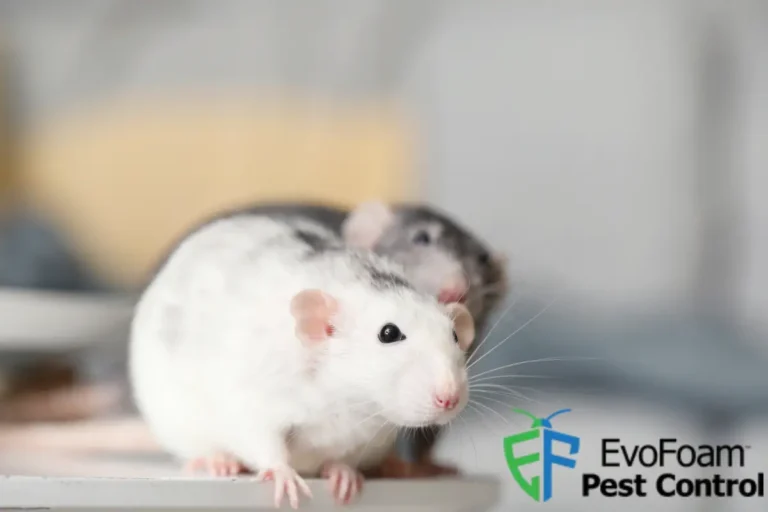
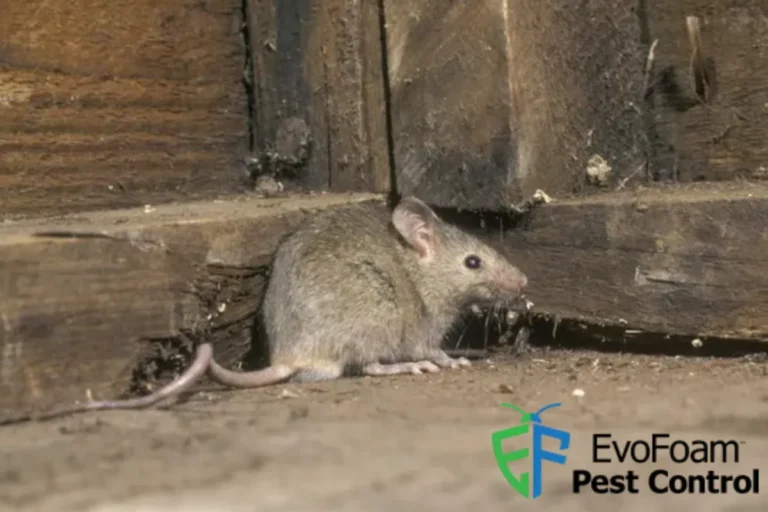
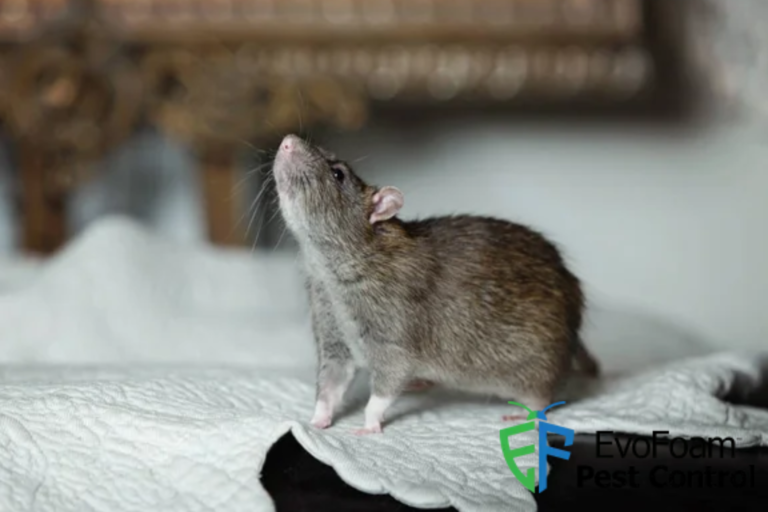
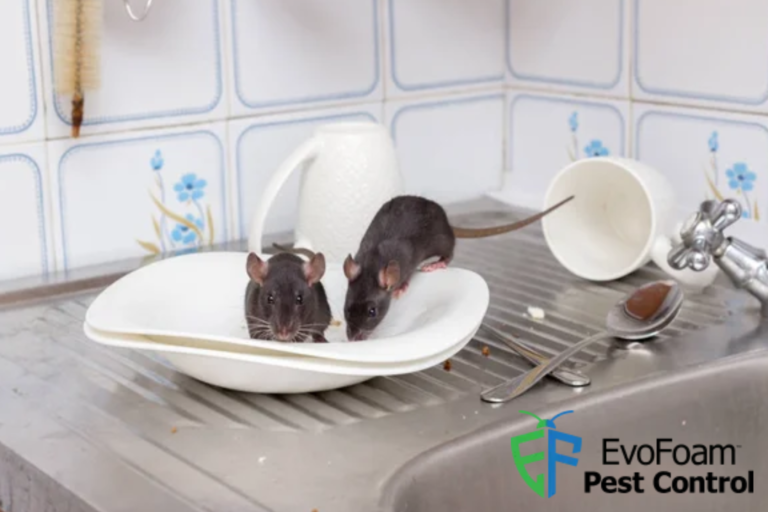
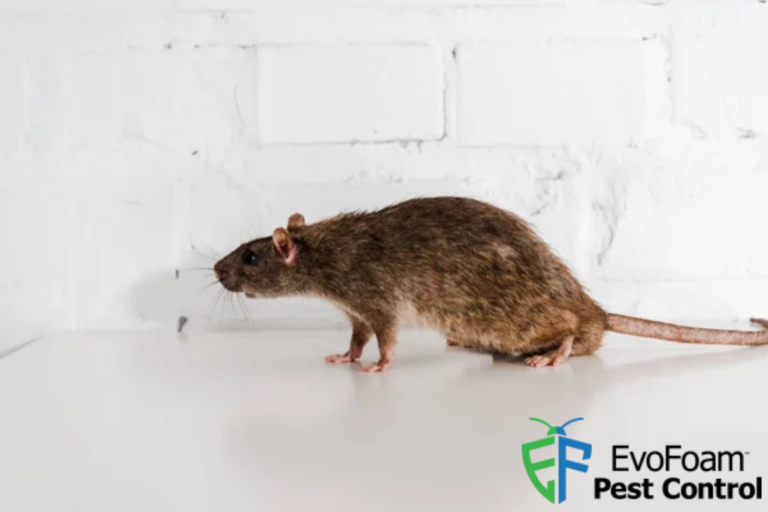
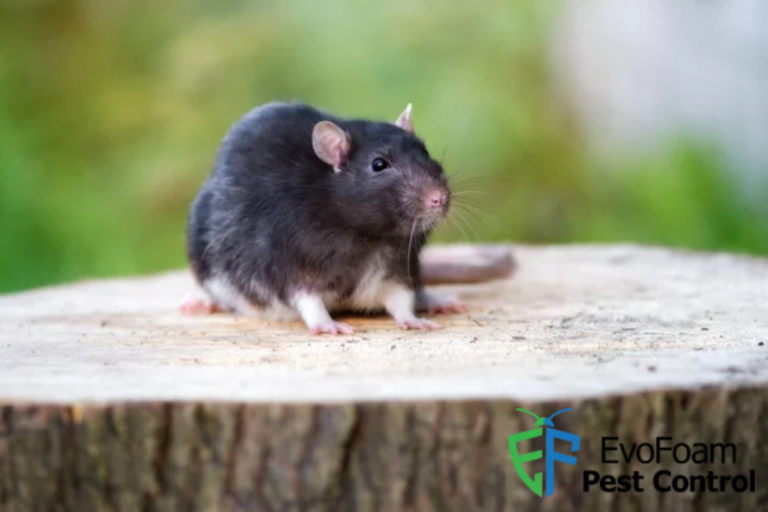
Rats may return after removal when entry points remain open, food and shelter are still accessible, or the original source of activity has not been addressed. Preventing recurring rodent problems requires more than removing the rats already present. Homeowners should identify how rodents are getting inside, reduce attractants, seal suitable openings, and monitor previously affected areas for new signs of activity.
Why Do Rats Keep Coming Back After Removal?
Removing rats does not automatically resolve the conditions that allowed them to enter a property. If the underlying causes remain, new rodents may find the same shelter, food sources, or access points.
Several factors can contribute to recurring activity:
- Unsealed entry points: Gaps around utility lines, vents, doors, roof edges, and other exterior features may allow rodents to enter again.
- Accessible food and water: Unsecured garbage, pet food, fallen fruit, and other food sources can attract rodents to the property.
- Sheltered nesting areas: Dense vegetation, stored materials, cluttered garages, and undisturbed spaces may provide places to hide.
- Nearby rodent activity: Rats may travel from surrounding areas when suitable food, shelter, or access routes are available.
- Incomplete removal: Rodents may remain in inaccessible spaces even after visible activity decreases.
- Insufficient monitoring: Without checking previously affected locations, homeowners may not notice renewed activity until the problem becomes more established.
The first step is to determine whether the original activity has continued or whether new rodents have entered from another location. Fresh droppings, new gnaw marks, and repeated sightings can help identify areas that need further investigation.
How Can You Find Out Where Rats Are Getting In?
A careful inspection can help reveal likely access points and the conditions that make a property attractive to rodents. Start with accessible areas around the exterior, then check garages, attics, storage spaces, and other locations where signs of activity have appeared.
Inspect Gaps Around Pipes and Utility Lines
Water pipes, electrical cables, communication lines, and other utilities may pass through exterior walls. Gaps around these penetrations can provide access when they are large enough for rodents to pass through.
Look for damaged seals, visible openings, and gnaw marks around utility entry points. Use appropriate rodent-resistant materials to close suitable gaps, taking care not to interfere with electrical systems, plumbing, drainage, or required ventilation.
If you find evidence of activity inside a wall or utility space, avoid sealing the opening without understanding whether rodents may still be inside.
Check Doors, Garages, and Windows
Worn door sweeps, damaged weatherstripping, poorly fitted garage doors, and broken window screens can create access opportunities.
Inspect the lower edges of exterior doors and the points where garage doors meet the floor. Replace damaged seals and repair screens where needed. Pay particular attention to doors that remain open for extended periods or lead into storage areas.
Examine Rooflines and Attic Access Points
Rats can use accessible openings around roof edges, soffits, vents, and other exterior features. These areas may be difficult to inspect from the ground.
Look for damaged vent screens, loose exterior materials, and visible gaps around roofline components. If signs of activity appear in an attic, investigate possible access routes without entering unsafe or confined spaces.
Use a qualified professional when the inspection requires climbing onto a roof or accessing areas that cannot be reached safely.
Look for Changes Around the Foundation
Inspect accessible foundation areas, exterior joints, and openings where different building materials meet. Pay particular attention to damaged materials and gaps around service penetrations.
A crack in solid concrete does not automatically mean rodents can enter through it. The concern is whether an opening creates a usable route into the building or connects to an accessible interior space.
Document suspicious openings and prioritize repairs based on their size, location, and evidence of activity.
Which Methods Help Remove Rats and Prevent Their Return?
The right approach depends on whether rodents are still inside, where they are active, and how they are entering the property. Effective prevention usually combines removal, exclusion, sanitation, and monitoring rather than relying on a single method.
Exclusion: Close Suitable Entry Points
Exclusion involves repairing openings and limiting access to indoor spaces. It is an important part of preventing new rodents from entering after an existing problem has been addressed.
Use durable, rodent-resistant materials appropriate for each opening. Avoid relying on soft materials alone where rodents could gnaw through them, and do not block vents or openings that serve an essential building function.
If rats may still be inside, plan exclusion carefully. Closing every opening before determining how rodents are using the structure could leave animals trapped in wall voids or other inaccessible spaces.
Traps: Address Active Rodent Areas
Traps may be appropriate for removing rodents from specific locations. Their effectiveness depends on placement, the type of rodent, available food sources, and whether the underlying access problem has been resolved.
Place traps only where they can be positioned safely and checked regularly, following the product instructions. Keep them away from children and pets, and avoid handling rodents or contaminated materials without appropriate precautions.
Trapping alone will not prevent new rodents from entering through an unsealed opening.
Bait Stations: Use Appropriate Safety Precautions
Rodent bait products may be used in some situations, but their suitability depends on the property, the level of activity, and applicable product directions.
Tamper-resistant bait stations can help limit access to bait, but they are not completely risk-free. They must be selected, positioned, and maintained according to their labeling and relevant requirements, with consideration for children, pets, wildlife, and other non-target animals.
Do not assume that baiting is necessary for every rodent problem. A qualified provider can help determine whether it is appropriate and explain the precautions involved.
Combine Removal With Prevention
A reduction in sightings does not necessarily mean the problem has been fully resolved. Rodents may remain hidden, and new activity may develop if access points and attractants are not addressed.
After removal, inspect the affected locations again, complete suitable repairs, and monitor for fresh signs. If activity continues, reassess the likely entry route instead of repeating the same intervention without investigating why it has not worked.
How Can You Reduce Food Sources and Outdoor Shelter?
Food, water, and shelter can make a property more attractive to rats. Reducing these resources can support exclusion and removal efforts, although sanitation alone cannot guarantee that rodents will stay away.
Secure Trash and Food Waste
Use garbage containers with tightly fitting lids and clean up spills around outdoor bins. Avoid leaving food scraps exposed, and remove fallen fruit when practical.
If you feed pets outdoors, avoid leaving food available overnight. Check storage areas for damaged packaging and keep animal feed in secure containers.
Maintain Landscaping Around the Home
Dense shrubs, accumulated leaves, tall vegetation, and piles of stored materials can provide sheltered spaces near a building.
Keep vegetation maintained so exterior walls and likely entry points remain visible. Store firewood and other materials away from the structure where practical, and remove unnecessary debris.
These measures can reduce hiding places and make inspections easier. However, landscaping maintenance should complement actual exclusion work rather than replace it.
Reduce Clutter in Garages and Storage Areas
Garages, sheds, and storage rooms can provide undisturbed spaces where rodents may hide. Keep items organized and use durable containers with secure lids when appropriate.
Periodically inspect stored goods for gnaw marks, torn packaging, droppings, or nesting material. Address signs of activity early, particularly near food storage or openings to the exterior.
Check for Accessible Water Sources
Leaking outdoor faucets, dripping pipes, and other persistent water sources may contribute to the conditions that attract rodents.
Repair leaks and address unnecessary standing water where practical. Water management should be part of a broader prevention plan, not treated as a standalone solution.
Does Rodent Activity Change With the Seasons?
Rodent activity around homes can change with weather, food availability, shelter, and local environmental conditions. Cooler weather may encourage some rodents to seek sheltered locations, while warmer periods can also bring activity around gardens, outdoor storage, and food sources.
However, not every rat moves indoors when temperatures fall, and seasonal timing alone cannot establish the cause of an infestation.
Homeowners can adapt their inspections to changing conditions:
- During cooler weather: Check door seals, roofline openings, garages, and sheltered interior spaces for signs of entry.
- During warmer weather: Inspect outdoor storage areas, vegetation, garbage containers, and locations where food may be available.
- After property maintenance: Check whether repairs, landscaping changes, or construction have exposed new openings or disturbed sheltered areas.
- Throughout the year: Monitor previously affected locations for fresh droppings, gnaw marks, or other evidence of activity.
Consistent inspection is more useful than relying on a fixed seasonal treatment schedule. The appropriate response depends on what is happening at the property.
What Signs Suggest Rats Have Returned?
Recognizing recurring activity early can help homeowners investigate the cause before the problem becomes more difficult to manage.
Watch for these warning signs:
- Fresh droppings: New droppings near walls, storage areas, food sources, or previous activity sites may indicate continued or renewed activity.
- New gnaw marks: Damage to packaging, wood, plastic, or other materials may suggest rodents are using the area.
- Scratching or movement sounds: Noises in walls, ceilings, or attics can indicate animal activity, although other causes are possible.
- Nesting material: Shredded paper, fabric, or insulation may indicate that a sheltered area is being used.
- Damaged food containers: Torn packaging or scattered food may suggest that rodents have accessed stored supplies.
- Repeated sightings: Seeing rats repeatedly around the same area warrants a closer inspection of nearby openings and attractants.
One sign alone may not establish the extent of activity or identify the entry route. Compare new findings with earlier observations and look for patterns.
Avoid touching droppings or nesting materials directly. Do not sweep or vacuum rodent droppings dry, as this can put contaminated particles into the air. Follow public-health guidance for cleanup, or seek professional assistance if contamination is extensive or located in a difficult-to-access space.
When Should You Call a Rodent Control Professional?
Professional assistance may be appropriate when rodents continue to appear despite preventive measures, fresh signs keep developing, or the likely entry points are difficult to locate.
Consider requesting an inspection when:
- You repeatedly find fresh droppings or gnaw marks after removing rodents.
- You hear recurring movement in walls, ceilings, or other inaccessible spaces.
- You suspect rodents are nesting in an attic, crawl space, or wall void.
- Openings are difficult to inspect or repair safely.
- Rodent activity or contamination affects areas that require specialized handling.
A qualified provider can assess the available evidence, identify likely access routes, and recommend appropriate removal, exclusion, and monitoring measures.
Homeowners comparing a Salado exterminator should look for a provider that investigates why rats are returning rather than focusing only on removing the animals currently present. The inspection should help establish the likely access points and identify practical steps to reduce recurring activity.
When researching pest control in Salado, TX, ask whether the proposed approach includes an assessment of entry points, attractants, and signs of continuing activity. The right plan should reflect the property’s conditions rather than rely on a one-size-fits-all schedule.
Professional rodent control may be appropriate when recurring activity persists, rodents may be using inaccessible spaces, or safe removal and cleanup require additional expertise. Ask the provider to explain the recommended steps and any precautions relevant to household occupants and pets.
For homeowners seeking pest control in Salado, the objective should be to address the conditions that allow rats to enter and return. Professional guidance can complement repairs, sanitation, and monitoring when the source of activity remains unclear.
Frequently Asked Questions
Why do rats keep coming back after they have been removed?
Rats may return when entry points remain open, food and shelter are available, or the original source of activity has not been addressed. Some rodents may also remain hidden after visible activity decreases. Inspecting the property, addressing access points, and monitoring for new signs can help identify what needs further attention.
Does sealing entry points prevent rats from returning?
Sealing suitable entry points can reduce the chance of new rodents entering a building. However, it works best as part of a broader approach that includes addressing any rodents already inside, reducing attractants, and monitoring for renewed activity. No single measure can guarantee that rats will never return.
Should you seal holes if rats might still be inside?
Not without first considering whether the opening is being used by rodents that remain inside. Poorly planned repairs can trap animals in inaccessible spaces. Assess the activity and plan exclusion carefully, seeking professional assistance when the entry route or the animals’ location is unclear.
How can you tell whether rats have returned?
Fresh droppings, new gnaw marks, damaged food packaging, nesting material, scratching sounds, and repeated sightings can indicate continued or renewed activity. These signs do not always reveal how many rodents are present or where they entered, so further inspection may be necessary.
Do rats become more active around homes during colder weather?
Some rodents may seek sheltered locations when temperatures fall, but behavior varies with weather, food availability, species, and surrounding conditions. Seasonal changes alone do not prove that rats have entered a home. Inspect for actual signs of activity and address any confirmed entry points.
When should you call a professional for recurring rat activity?
Consider professional help when fresh signs continue to appear, rodents may be nesting in inaccessible areas, or you cannot determine how they are entering. A professional inspection can help identify likely access routes and recommend an appropriate response based on the evidence.
Help Reduce the Risk of Rats Returning
Preventing recurring rat activity requires identifying why rodents are entering, addressing accessible food and shelter, repairing suitable openings, and monitoring for new signs. Although no prevention plan can guarantee permanent results, these steps can reduce opportunities for rodents to return. EvoFoam Pest Control can help homeowners assess recurring rodent activity and explore practical prevention and control options for their property.
If you continue to find evidence of rodent activity or cannot identify the source, we can help you explore appropriate next steps for your property. Contact us today.
LEARN MORE HERE: