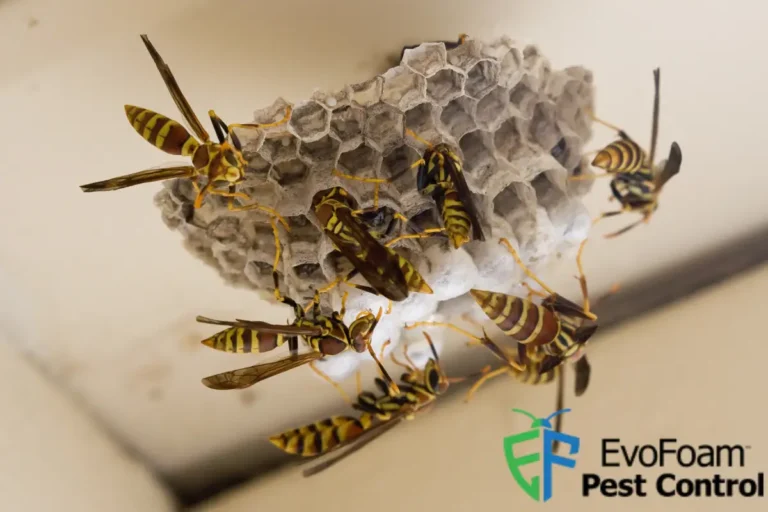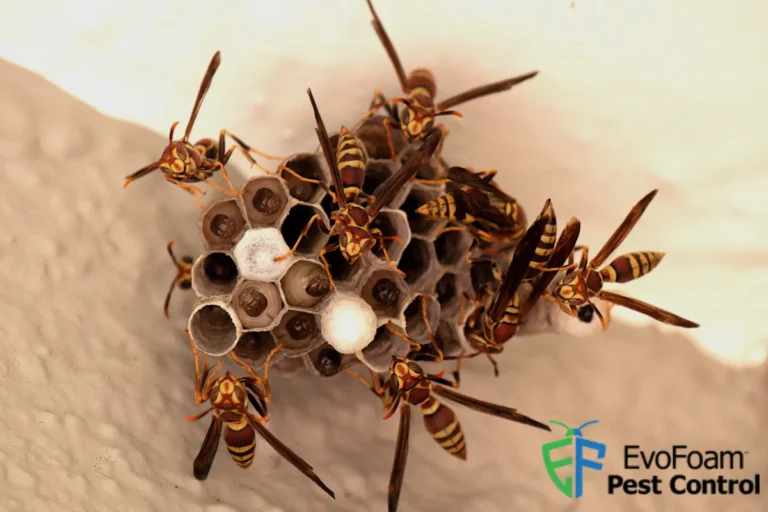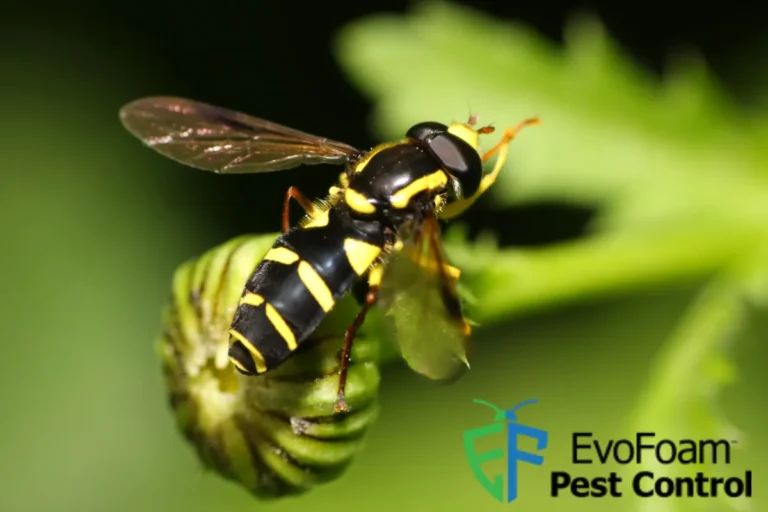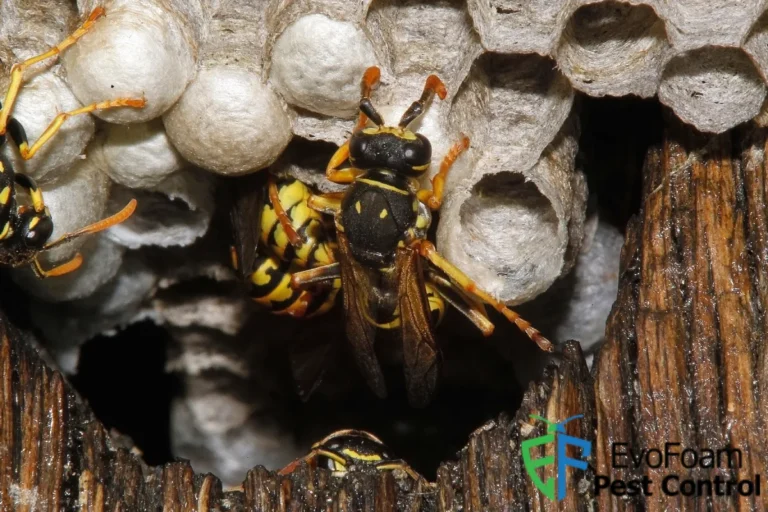
After you remove a wasp nest, some wasps may keep flying around the area as they return from foraging or search for the nest. Removing the nest does not always mean every wasp has been eliminated, so the outcome depends on the treatment, the nest location, and whether any wasps remain active nearby.
What Happens to Wasps Immediately After Nest Removal?
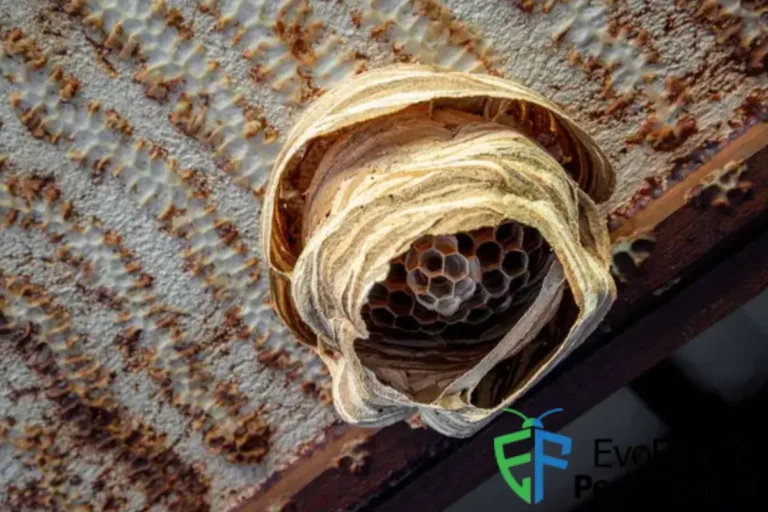
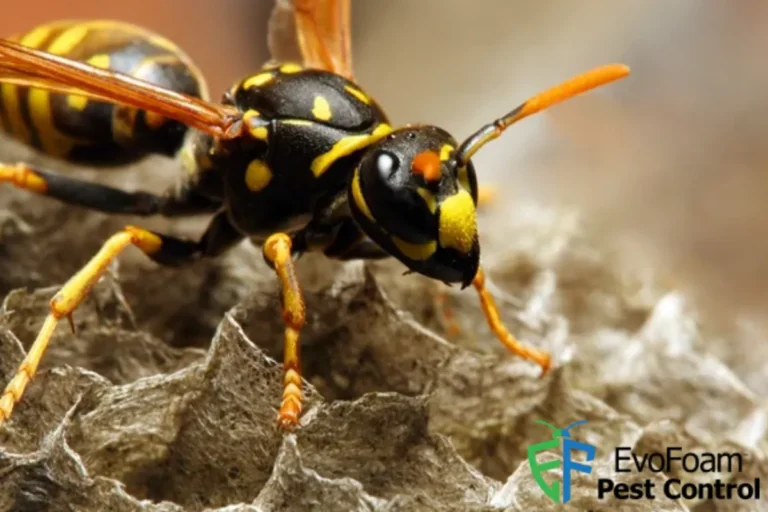
Wasps use their nests for shelter and raising their young. When a nest is removed, surviving workers may return to the original location and circle the area where the nest was attached. You might notice activity around porch ceilings, roof overhangs, sheds, tree branches, or gaps in a building.
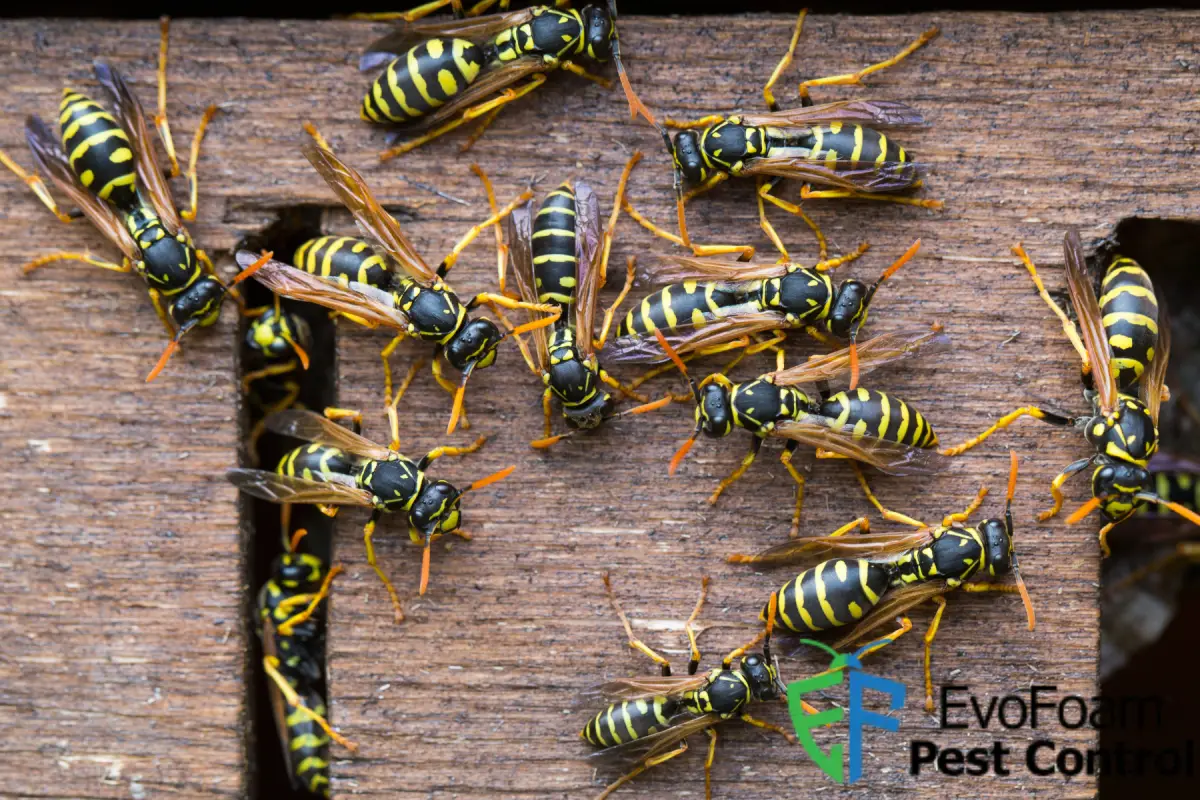
Seeing a few wasps after removal does not automatically mean the service failed. Some workers may have been away collecting food when the nest was treated. However, repeated activity around the same opening could indicate a hidden nest or wasps that were not addressed during the initial treatment.
The safest response is to observe from a distance rather than approach the area. Wasps can sting when they feel threatened, especially when defending a nest. If activity continues, a professional inspection can help determine whether more treatment is needed.
How Long Do Wasps Stay Active After Nest Removal?
There is no fixed timeline for every colony. Activity depends on the wasp species, the treatment method, the number of surviving wasps, and whether another nest is nearby.
Occasional activity may stop without further intervention, but steady traffic to the same opening deserves closer attention. Avoid touching the former nest site or trying to locate a hidden colony yourself.
Can a Wasp Colony Survive After Its Nest Is Removed?
Yes, some wasps can survive if they were away from the nest or were not reached during treatment. Nest removal and colony elimination are not always the same thing. Removing the visible structure is only one part of addressing an active wasp problem.
| Approach | Main Purpose | What It Means for Homeowners |
| Nest removal alone | Takes down the visible nest | Some wasps may remain active if they were not addressed |
| Treatment followed by removal | Addresses wasps at the nest before it is taken down | Helps reduce activity associated with the treated nest |
| Inspection and follow-up | Checks for remaining activity or another nesting site | Helps determine whether additional treatment is needed |
The best approach to wasp control depends on the nest location, the size of the infestation, and the species involved. A nest under an exposed eave may be easier to inspect than one hidden inside a wall or roof space.
What Role Does the Queen Play?
In social wasp species, the queen produces offspring while worker wasps help maintain the nest, gather food, and care for the young. The colony’s ability to continue developing depends partly on its reproductive members and stage of development.
Removing a nest does not automatically confirm that every member of the colony has been eliminated. The result depends on the species and how the nest was treated and removed.
Can Wasps Build Another Nest in the Same Location?
Wasps may establish another nest in a suitable area after an old one is removed. Sheltered places such as roof overhangs, porch ceilings, sheds, and tree branches can offer protection from the weather and disturbance.
EvoFoam Pest Control treats active nests and removes the nest materials as part of its service. Still, removing an existing nest cannot guarantee that wasps will never return to the property. Checking for continued activity and other suitable nesting spots can help identify problems early.
What Affects Wasp Activity After Nest Removal?
Several factors influence what happens after a nest is taken down.
- Wasp species: Paper wasps, yellow jackets, mud daubers, and cicada killers have different nesting habits. Identifying the species helps guide the next steps.
- Colony stage: A developing colony may behave differently from a larger colony later in the season.
- Nest location: An exposed nest may be easier to inspect than one inside a wall or roof space.
- Treatment method: Results depend on the method selected and whether it addresses the wasps present.
- Wasps away from the nest: Workers that were out foraging may return after removal.
- Nearby shelter: Other protected areas may provide opportunities for new nests.
These factors are useful to consider when looking for Georgetown pest control, particularly if wasps continue gathering around the same part of a home or business. A professional can inspect the area and help determine whether the activity is temporary or points to another nest.
What Should You Do If Wasps Keep Returning?
If wasps continue gathering near the former nest site, avoid disturbing them. These steps can help you decide what to do next without putting yourself at unnecessary risk.
1. Observe From a Safe Distance
Notice where the wasps gather and whether they repeatedly fly toward the same opening. Do not stand near the site, touch the area, or try to follow the insects closely.
2. Watch for Signs of a Hidden Nest
Repeated movement in and out of a gap near the roofline, wall, or attic may indicate a nest that is not visible from the ground. Do not seal the opening yourself, as wasps may remain inside or find another way out.
3. Avoid DIY Nest Removal
Knocking down a nest or disturbing an active colony can cause wasps to defend themselves. This can be especially risky when the nest is high up, hidden inside a structure, or close to a doorway.
4. Arrange a Professional Inspection
If wasps keep returning to the same spot, contact a trained pest control professional. A technician can assess the former nest site, look for other nesting locations, and determine whether another treatment is appropriate.
When choosing an exterminator in Georgetown, ask how the service addresses the active nest, removes the nest materials, and handles continued activity. This helps you understand what the service includes before work begins.
How Does EvoFoam Pest Control Address Wasp Colonies?
EvoFoam Pest Control uses an inspection-led approach to identify wasp activity and choose a suitable treatment. As a family-owned company with over eight years of experience, our team considers the nest location and the size of the infestation before deciding how to proceed.
Our approach includes four main parts:
1. Inspect the Nesting Area
Our service professionals inspect the property to locate the nest and assess the surrounding area. This is especially helpful when a nest is hidden in an eave, shed, roof overhang, or another hard-to-reach location.
2. Use Foam Treatments Where Appropriate
Foam treatments are a key part of our approach. The foam can carry treatment into certain gaps and hard-to-reach spaces, allowing our technicians to address areas that may be difficult to reach with other methods.
Our approach is designed to use less water and fewer insecticides. The right treatment still depends on the site and the infestation, so foam is not used in every situation.
3. Choose the Right Treatment Method
Depending on the nest location and the size of the infestation, our technicians may use aerosol or dust treatments instead of, or alongside, foam where appropriate. Each method has a different purpose, and the choice depends on the conditions found during the inspection.
Our goal is to use a targeted approach that considers the property, its occupants, and the surrounding environment. Our technicians can explain the recommended treatment and any precautions to follow.
4. Remove the Nest and Address Further Activity
After treating the nest as needed, our team removes it and the nesting materials. If wasps remain active, a follow-up assessment can help determine whether further treatment is necessary.
Same-day service is available to help address active nests promptly. Availability depends on scheduling, so contact our team to confirm an appointment for your property.
What Does EvoFoam’s Wasp Control Approach Include?
EvoFoam Pest Control’s approach combines targeted treatment, practical experience, flexible treatment options, and a satisfaction guarantee. Together, these features explain how our service is designed to address wasp nests while considering the needs of homeowners and businesses.
- Foam treatments: Used where appropriate to carry treatment into certain gaps and hard-to-reach areas.
- Over eight years of experience: Our family-owned team brings practical pest control experience to inspections and treatment decisions.
- Same-day service: Available to help customers address active nests promptly, subject to scheduling.
- Aerosol or dust treatments: Alternative options that may be used depending on the nest location and infestation.
- 100% satisfaction guarantee: If you do not see results after 30 days, our published policy states that we will return to treat for wasps and continue treating until the pests are gone. If you remain unhappy, the policy provides for a refund of your initial payment. Ask our team for the current terms when requesting an estimate.
This approach allows our technicians to choose a treatment based on the actual problem rather than use the same method for every nest.
Wasp Nest Removal Myth: Does Removing the Nest Mean All Wasps Are Gone?
Myth: Once the nest is removed, every wasp is gone.
Fact: Removing the visible nest does not prove that every wasp has been eliminated. Some workers may have been away from the nest, and activity may continue near the former nesting site. A hidden nest nearby could also explain why wasps keep appearing.
Another misconception is that seeing any wasp after treatment means the service failed. A few wasps do not necessarily indicate that the colony is still active. Repeated traffic toward the same opening, however, may need further investigation.
If activity continues, keep your distance and arrange a professional inspection. An exterminator in Georgetown, TX can assess the area and determine whether further treatment is needed. Do not attempt to remove another nest or block a suspected entry point yourself.
People Also Ask: Wasp Colonies After Nest Removal
Do wasps come back after their nest is removed?
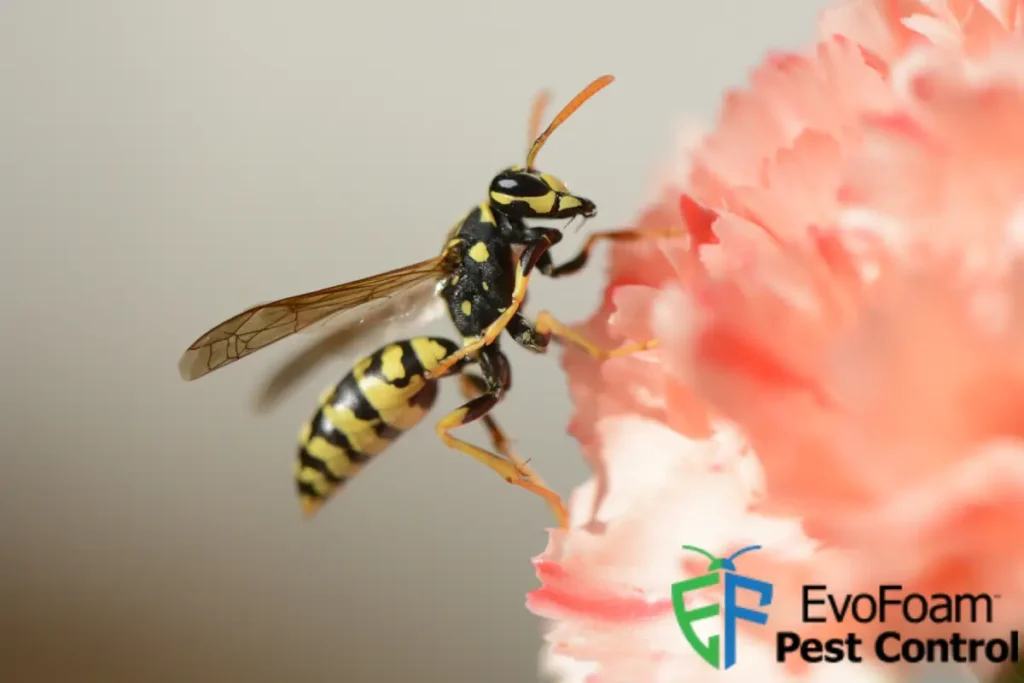
They may. Wasps that were away from the nest can return to the original site, and some may investigate the area. Continued activity does not automatically mean the original colony survived.
Does removing a wasp nest kill the queen?
Not necessarily. Removing the physical nest alone does not confirm that the queen or every other member of the colony has been eliminated. The outcome depends on the species and the treatment and removal process.
Can wasps build a new nest after the old one is removed?
Yes. Wasps may build in another sheltered location or return to an area that offers suitable nesting conditions. Removing the original nest does not guarantee that wasps will never nest on the property again.
How do I know if a wasp nest is still active?
Repeated wasp traffic toward the same opening or concentrated activity around the former nest site may indicate that wasps remain nearby. Observe from a safe distance and contact a professional if the activity continues.
Should I remove a wasp nest myself?
DIY removal can disturb an active colony and increase the risk of stings. Professional help is the safer choice for nests that are active, high up, hidden, or difficult to reach.
When should I call a professional for wasp control?
Contact a professional if you find an active nest, notice repeated wasp activity near a wall or roof opening, or feel unsafe around the nesting area. A technician can inspect the site and recommend a suitable treatment.
Get Help With Wasp Activity Around Your Property
A removed nest does not always mean wasp activity has ended. If wasps keep returning, an inspection can help determine whether they are revisiting the old site or whether another nest needs attention.
EvoFoam Pest Control offers inspections, targeted treatments, and nest removal based on the conditions at your property. Our team can explain the available options and help you decide on the next step.
Contact us today for a consultation and estimate. We offer same-day service when available, a treatment approach built around the needs of your property, and a 100% satisfaction guarantee under our published service policy.