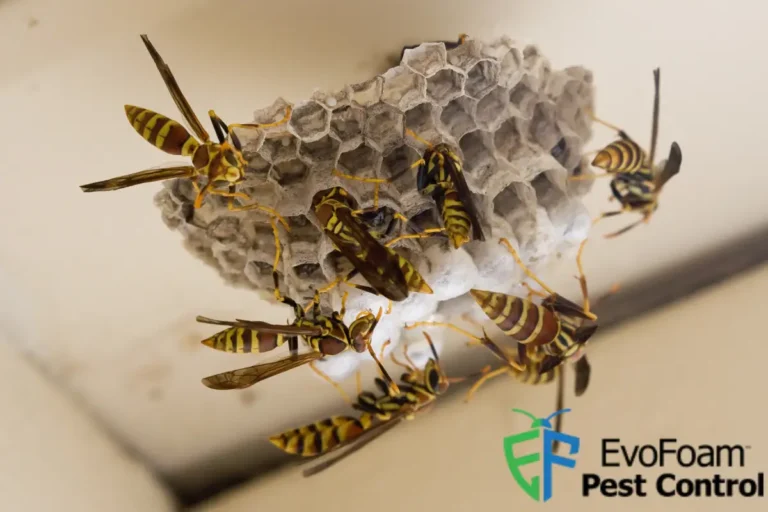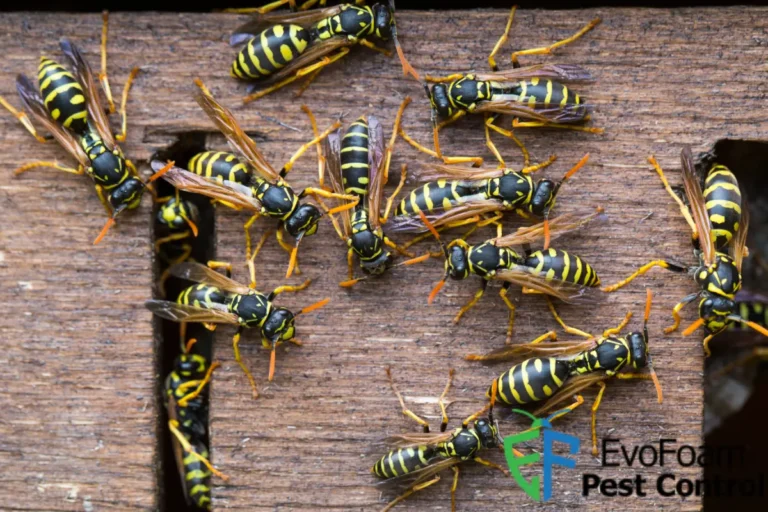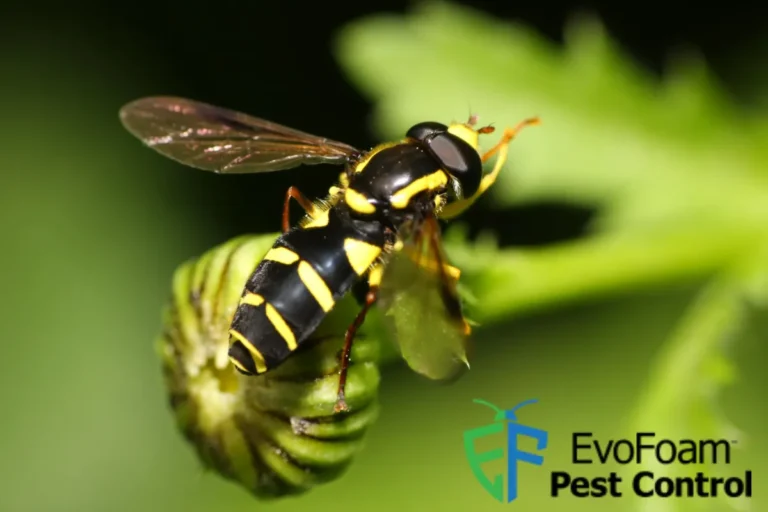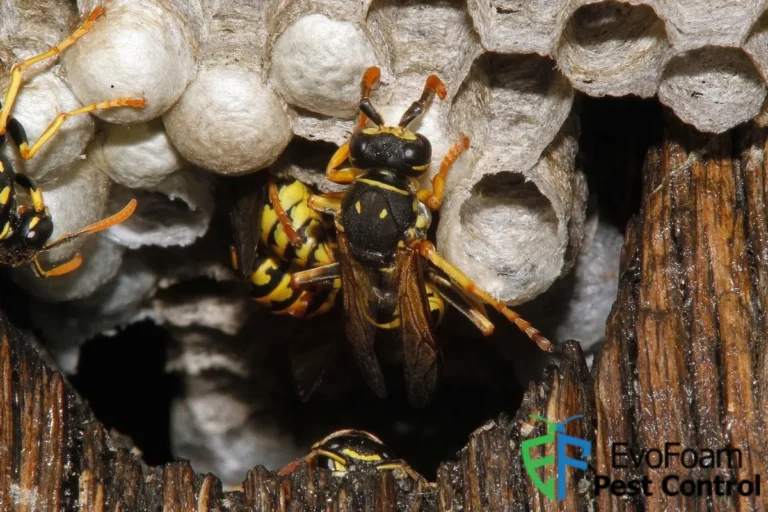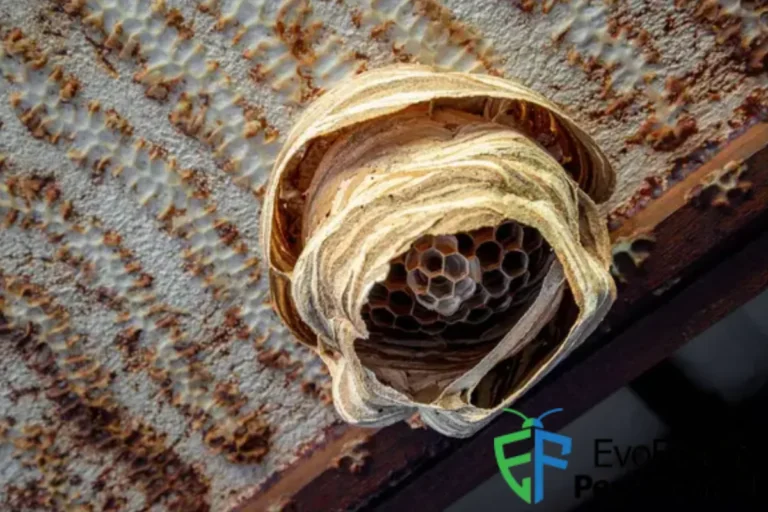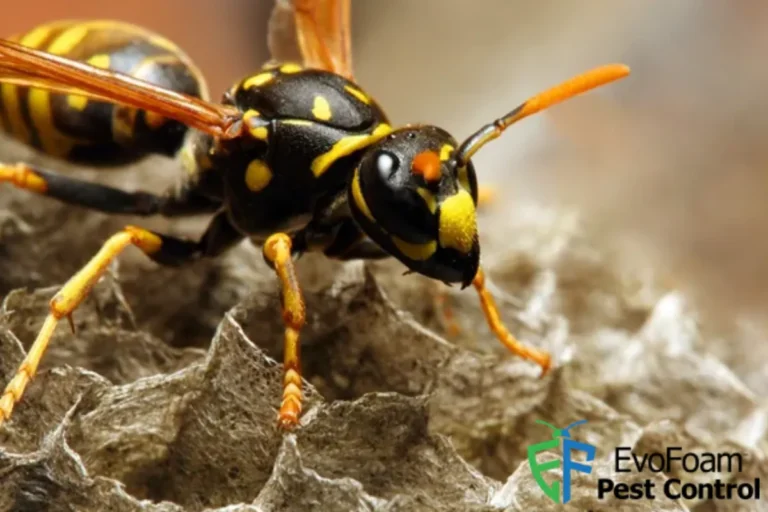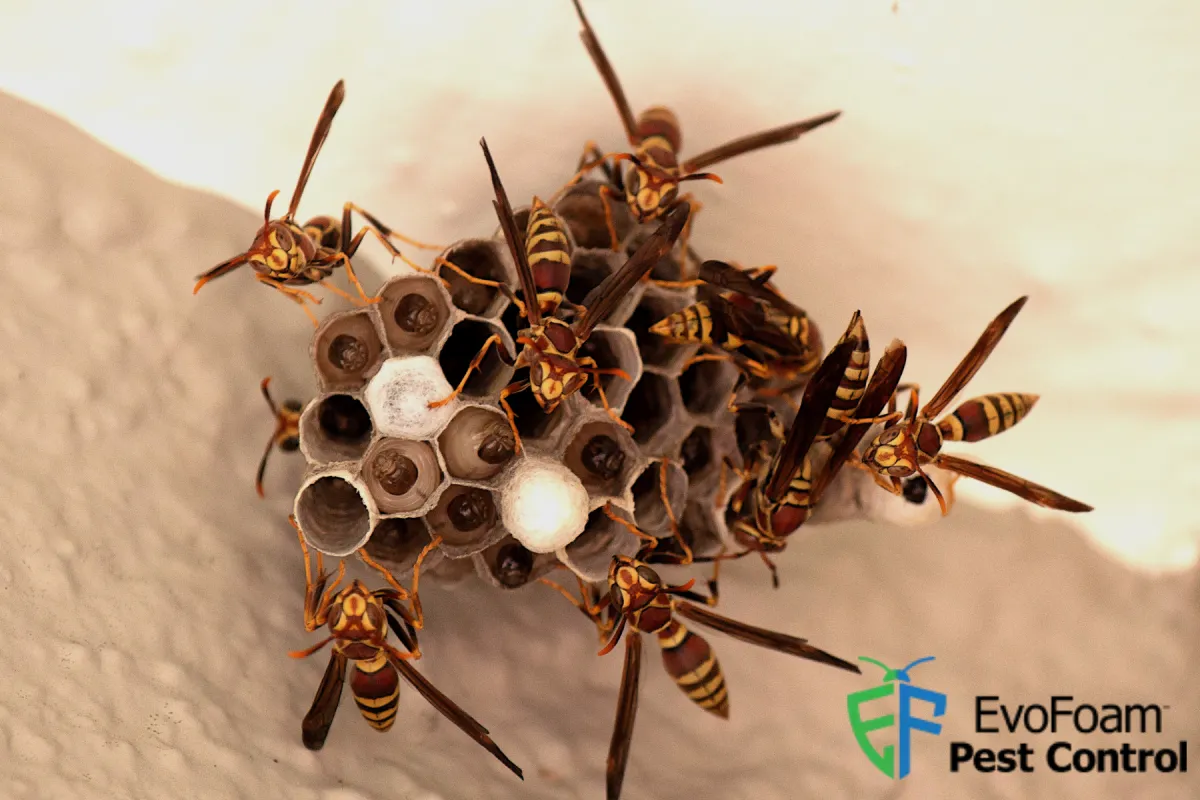
Wasps suddenly appear without a visible nest because they are attracted to nearby food and moisture sources, nesting in hidden void spaces (such as wall cavities or roof soffits), or foraging up to 1,000 feet away from an off-site colony. Environmental shifts like late-summer sugar cravings or sudden weather changes also drive worker wasps directly into human living spaces. Identifying structural flight lines and removing attractants helps locate hidden nests and stops uninvited stinging pests.
Walking out onto your back patio only to find aggressive wasps hovering around your seating area is nerve-wracking, especially when you look up at your eaves and see no paper nests in sight. Many homeowners assume that if there is no visible nest hanging from a roofline or tree branch, the pests must be passing through from far away. However, yellowjackets, paper wasps, and mud daubers are opportunistic creatures that often construct hidden colonies deep inside structural wall voids, beneath deck boards, or within brick weep holes.
During a recent home inspection in Cedar Park, our technicians were called to investigate a backyard where paper wasps continuously gathered around a swimming pool and patio dining table. The owner had searched the entire roofline without finding a single nest. By tracking the insects’ steady flight paths, we discovered an active colony tucked inside a tiny gap behind the stone veneer wall. Upgrading the property with specialized wasp control stopped the flight activity and secured the outdoor living space without disrupting the family’s weekend plans.
Attractants, Foraging Behaviors, and Hidden Nest Locations
Primary Causes of Sudden Wasp Sightings vs. Root Causes
Understanding why stinging insects congregate around your yard requires looking closely at what attracts them and where they might be hiding. The diagnostic matrix below outlines common reasons wasps appear alongside their behavioral patterns and hidden harborages.
| Sightings Trigger | Foraging Distance / Pattern | Likely Hidden Harborage Location | Primary Attraction Factor |
| Concealed In-Wall Nesting | High density, constant flight line entering small cracks | Wall cavities, brick weep holes, interior soffits | Structural shelter & thermal regulation |
| Off-Site Colony Foraging | Up to 1,000 feet from distant origin points | Neighboring trees, utility poles, distant sheds | Protein (caterpillars, spiders) or sugar sources |
| Late-Summer Diet Shift | Aggressive, erratic circling around outdoor seating | Uncovered trash, fallen orchard fruit, soda cans | Fermenting sugars & carbohydrates |
| Micro-Moisture Seeking | Steady hovering near water lines or soil | HVAC drip lines, swimming pool edges, bird baths | Hydration & nest-building pulp mixing |
| Overwintering Queen Emergence | Slow, sluggish movement indoors during warm spring days | Attic insulation, window frames, chimney flues | Shelter during winter recovery |
Pinpointing these factors helps homeowners understand whether pests are traveling from a distant location or nesting directly inside structural framing. If you notice steady insect activity around your siding gaps, seeking professional pest control in Cedar Park provides the diagnostic tools needed to locate concealed nests safely.
Biological & Environmental Drivers of Wasp Foraging
Key Parameters Governing Sudden Wasp Aggregation
Stinging insects respond to precise seasonal and biological cues that dictate where they search for food and water.
Protein-to-Sugar Dietary Shift
Definition: The seasonal change in wasp dietary needs; early in the season, workers seek proteins to feed developing larvae, whereas late in summer, they seek simple sugars for personal energy.
Behavioral Impact: Drives adult workers toward human picnic foods, sweet drinks, trash cans, and ripe garden fruit.
Sub-Surface & Wall-Void Harborages
Definition: Enclosed nesting spaces created inside building cavities, behind brick facades, or within subterranean rodent burrows.
Behavioral Impact: Creates concentrated insect traffic entering a single small crack or gap without any visible hanging nest.
Pheromone & Resource Marking
Definition: Chemical signals left behind by foraging workers to guide nestmates back to rich food or water sources.
Behavioral Impact: Leads to sudden increases in wasp density around outdoor kitchens, pet bowls, or hose bibs within hours.
Recognizing these biological drivers ensures that treatments target the root cause of attraction rather than just chasing individual insects.
4-Step Checklist for Investigating Unseen Wasp Activity
How to Track Down Hidden Nesting & Foraging Sources
If stinging pests are disrupting your outdoor activities but you cannot see a nest, follow this simple four-step inspection process.
- Observe Flight Lines from a Safe Distance: Stand back and watch hovering insects for 5 to 10 minutes to spot a direct, linear flight path heading toward a siding gap, soffit seam, or weep hole.
- Audit Perimeter Food & Sugar Sources: Check open trash cans, outdoor dining tables, fallen fruit, and pet food bowls to see what is attracting foraging workers.
- Locate Moisture & Standing Water Collectors: Inspect HVAC condensate lines, leaking garden hoses, swimming pool edges, and birdbaths for drinking activity.
- Inspect Structural Gaps and Attic Spaces: Safely check interior attic areas for faint buzzing sounds or unusual warmth near ceiling joists, which indicate a hidden nest inside wall insulation.
Following this checklist helps identify where pests are feeding or nesting. When property owners in Cedar Park suspect an in-wall colony, contacting an experienced exterminator in Cedar Park, TX prevents dangerous DIY encounters with defensive insects.
Applying Our Integrated Pest Management Approach to Solve This
Advanced Nest Detection & Property Defense with EvoFoam Pest Control
At EvoFoam Pest Control, we bring a modern, eco-conscious approach to protecting your property from stinging insects. As a family-owned company with over 8 years of practical know-how, we understand that finding hidden nests requires patience, specialized tools, and technical skill. We never rely on generic surface applications. Instead, we take the time to evaluate your home’s unique layout and create customized solutions built for long-term safety.
Our signature approach utilizes expanding foam treatments that penetrate deep into hidden wall voids, brick weep holes, and tight structural gaps where traditional liquid products cannot reach. These specialized foam applications are safer, more eco-friendly, and more effective, coating hidden nests and blocking entry paths without flooding your home with harsh products. Depending on the exact nest location, our technicians might also use aerosol or dust formulations to ensure complete eradication of the queen and returning foragers.
To address urgent safety concerns around outdoor living areas, we offer same-day service to restore peace of mind quickly. Whether you are dealing with aggressive yellowjackets in your siding or paper wasps around your patio, our team provides dependable Cedar Park pest control that prioritizes environmental responsibility and family safety.
Common Industry Misconception: “If You Don’t See a Nest on Your Roof, the Nests Must Be Far Away”
Debunking the Exterior-Only Nesting Myth
A widespread myth among homeowners is that if there is no visible paper umbrella nest under roof eaves, the wasps hovering around the yard must be traveling from a distant forest or neighboring property. This misconception often leads people to wonder why wasps suddenly appear around a property with no visible nest, assuming nothing can be done locally.
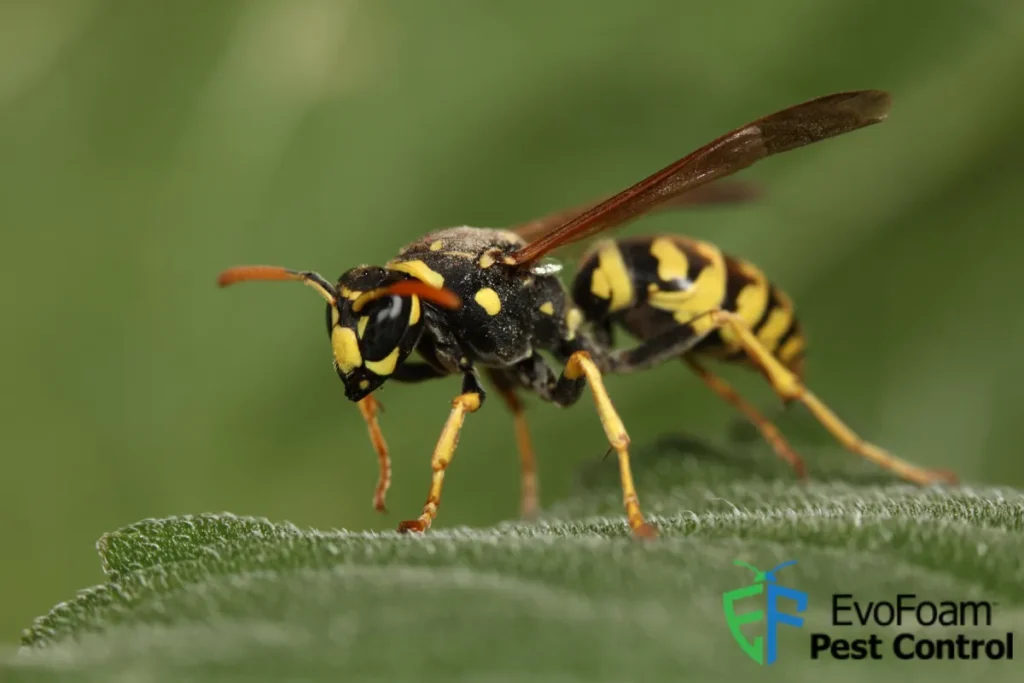
In reality, some of the most aggressive stinging insects, including German yellowjackets and heavy paper wasp species, prefer nesting inside enclosed structural voids. They enter buildings through gaps as small as a pencil eraser, building large colonies inside drywall voids, floor joists, or behind stone facades where they remain entirely hidden from view.
People Also Ask (FAQ)
Why are wasps hovering around my patio if there is no food out?
Wasps are often attracted to moisture sources, such as pool water, leaking hose bibs, or irrigation drip lines. They also harvest wood fibers from untreated wooden decks and fences to build their nests.
Can wasps build a nest inside walls without showing signs on the outside?
Yes. Yellowjackets frequently enter through tiny cracks in siding, soffits, or brick weep holes, building large nests inside wall insulation that remain hidden until buzzing sounds or small drywall discolorations appear inside.
What should I do if I see wasps constantly entering a hole in my home’s exterior?
Do not seal the hole with caulk or expanding foam while the nest is active. Sealing the exit traps thousands of defensive wasps inside, forcing them to chew through interior drywall to escape into your living space.
How do eco-friendly foam treatments eliminate hidden wasp nests?
Expanding foam fills wall voids, coats hidden nest structures, and traps returning foragers. This ensures green and safe pesticides reach deep into structural cavities that liquid sprays miss.
Conclusion
When wasps suddenly appear around a property with no visible nest, the cause is usually hidden wall-void colonies, nearby moisture and food attractants, or established foraging routes. At EvoFoam Pest Control, we track flight paths, eliminate outdoor attractants, and apply targeted foam treatments to help break the foraging cycle before hidden nests pose a threat to your household.
Protect your outdoor living space with an eco-conscious team dedicated to safety, innovation, and fast results. Contact us today to schedule your consultation or request same-day service!